

Top Gasket Tape Suppliers in China: 10 Reliable Manufacturers to Consider
2026-11-16
When sourcing gasket tape from China, the sheer number of options can feel overwhelming—yet not all suppliers deliver on consistency, material quality, or lead times. In this roundup of 10 reliable manufacturers, we cut through the noise to highlight partners who actually understand sealing performance under pressure. Among them, Kaxite stands out for its no-nonsense approach to industrial-grade tape and responsive service, but you'll also find other solid contenders tailored to different budgets and specs. Whether you're dealing with high-temperature flanges, chemical exposure, or vibration-prone joints, this list gives you a practical starting point—no fluff, just names worth shortlisting.
Getting Past the Marketing Hype: What Chinese Gasket Tape Suppliers Really Offer
Most sourcing guides paint Chinese gasket tape suppliers with the same broad brush: cheap, inconsistent, and only good for low-stakes jobs. Spend any real time talking to factories in Ningbo or Foshan, though, and a different picture emerges. The ones worth dealing with are not chasing a race to the bottom. They are quietly stocking multiple adhesive systems, running their own peel and shear tests, and cutting foam densities that many Western distributors simply drop-ship from a catalogue. The hype says you get what you pay for, but the reality is that many buyers are paying a middleman markup for a product that left the same production line as a “premium” brand.
What a serious Chinese gasket tape supplier actually offers is a range of material combinations that rarely show up on a one-page spec sheet. Closed-cell EPDM, PVC, and NBR foams are standard, but ask for a polyurethane ether foam with an acrylic transfer tape or a low-VOC hot-melt adhesive, and a good supplier will not blink. They will ask about your application temperature, surface energy, and whether you need resistance to plasticizers or UV. That is the difference between a vendor who sells tape and a partner who understands compression set, outgassing, and die-cutting waste. The hype focuses on price per square meter; the real conversation is about failure rates after six months in a hot engine bay or on a sun-baked rooftop.
Of course, not every supplier deserves that trust. The key is to ignore the glossy Alibaba storefront and look for evidence of in-house testing, batch traceability, and a willingness to send cut samples before you commit to a container. A supplier that can tell you the exact foam density of your sample, the liner release force, and the adhesive coat weight is one that has moved beyond the marketing noise. That is what you are really buying: not just a roll of tape, but the confidence that the third shipment will behave exactly like the first one you tested on your own line.
Substrate Options You Won't Find in a Generic Catalog
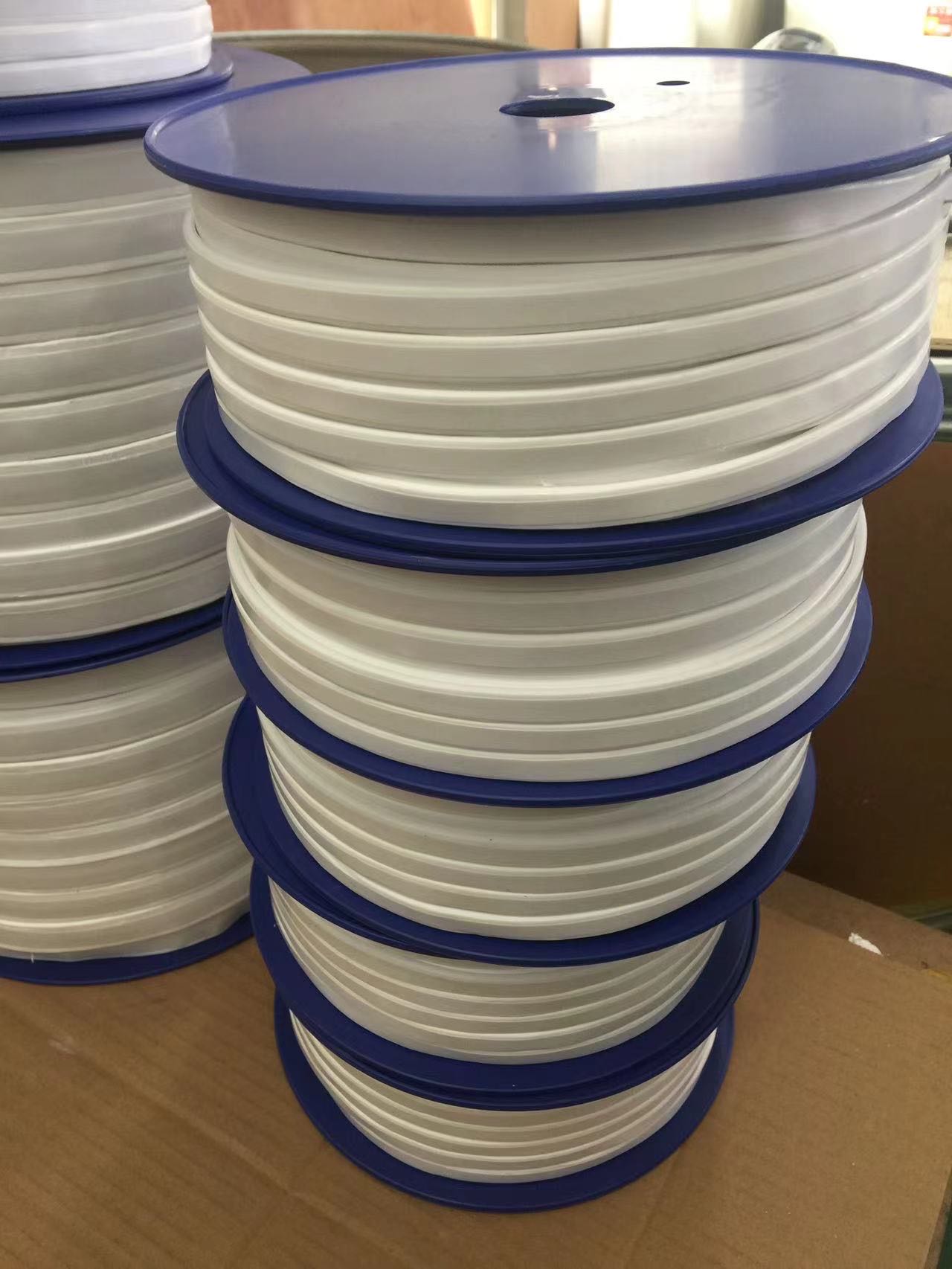
Standard catalogs serve up the usual suspects: coated papers, basic films, and the occasional recyclable label stock. But when the job demands more—say a textured wood veneer that actually feels like timber under your fingertips, or a metallic finish that shifts from copper to bronze depending on the light—those generic pages fall silent. The real difference comes from substrates that carry a built-in story: a translucent vellum that softens bold graphics, a leather-grained sheet that gives a business card the heft of a well-worn wallet, or a plantable paper embedded with wildflower seeds. These aren't the options you grab off a shelf; they're the ones you chase down because the project refuses to be ordinary.
Then there are the performance-driven oddities that never make it into a basic lineup. Think of a synthetic paper that shrugs off grease and water without lamination, yet still feels like a premium uncoated stock. Or a heat-sensitive layer that turns white when you press a thumb to it—ideal for a clever reveal on a promotional piece. Some printers stock substrates with embedded RFID antennas so thin you'd swear they were just ink. And if you've never handled a board made from compressed cotton rag, you're missing out on the kind of snap that makes a portfolio piece feel architectural. These materials demand a different conversation with your printer, one that starts with 'What do you have that nobody asks for?'
The beauty of going off-catalog is that the substrate itself becomes part of the message. A wine label on pulpy, recycled stock with visible flecks of straw tells a completely different story than the same label on gloss-coated vinyl. A direct mail piece printed on a thin, flexible wood sheet gets held, bent, and passed around—not tossed. Even a simple hang tag on heavyweight, dark-colored board with a debossed finish can make a garment feel more considered. These options rarely come with a tidy spec sheet, so be ready to test, adjust, and embrace a little unpredictability. In the end, that's exactly why the result won't look like it came from a template.
Why Thickness Tolerance and Compression Set Deserve More Attention
Thickness tolerance often gets dismissed as a minor spec, yet it quietly dictates how a gasket, pad, or seal actually performs under load. A deviation of just a few thousandths can shift pressure distribution, create leak paths, or force fasteners into uneven torque. In dynamic assemblies, that same variation becomes a wear accelerator, turning a seemingly acceptable part into a premature failure point.
Compression set tells a different but equally overlooked story. It measures how much of its original thickness a material loses after being squeezed for a set time and temperature. A high set value means the material has permanently deformed, losing its ability to rebound and maintain contact stress. Over time, that translates into bolts loosening, gaps opening, and seals that no longer seal—even if the part looks fine on the shelf.
Together, these two properties reveal whether a material will hold its geometry and sealing force in the real world, not just on a datasheet. Ignoring them invites costly field failures, while paying attention early steers design choices toward materials that stay predictable under heat, vibration, and long-term compression.
Adhesive Systems That Handle Heat, Moisture, and Repeated Stress
Modern structural adhesives often fail when pushed beyond a narrow comfort zone—heat softens them, moisture creeps into the bond line, and cyclic loading gradually tears the interface apart. The most reliable formulations, however, are engineered with a multi-pronged approach that treats thermal stability, hydrolytic resistance, and fatigue endurance as a single, inseparable challenge rather than three separate checkboxes.
Chemically, backbone selection does much of the heavy lifting. High-temperature epoxies built around novolac or bismaleimide cores retain modulus well past 200°C, while moisture uptake is driven down by densely crosslinked networks and hydrophobic backbone segments. For repeated stress, toughening agents such as core-shell rubber particles or thermoplastic interlayers create crack-arresting mechanisms—each micro-crack must re-nucleate through a tortuous, energy-absorbing path instead of propagating in a straight line. This combination of rigidity and local ductility is what keeps a bond alive after thousands of thermal cycles from -40°C to 150°C.
Practical formulation tests rarely tell the whole story unless they mirror real service conditions. Cyclic humidity exposure followed by rapid thermal shock, lap-shear fatigue at 10 Hz under 85% relative humidity, and creep testing at the adhesive’s glass transition temperature all reveal weaknesses that static data sheets hide. When these three stressors are validated together in a single accelerated protocol, the resulting adhesive system earns its place in demanding assemblies—from under-hood automotive joints to outdoor electronics enclosures and composite airframe repairs.
Red Flags and Green Lights When Evaluating a Potential Supplier
A supplier who dodges direct questions or withholds basic documentation early on often signals deeper operational problems. Watch for inconsistent pricing, vague lead times, or a sudden drop in responsiveness once you ask for references. These aren't minor hiccups; they're patterns that tend to worsen after contracts are signed.
On the flip side, green lights show up in small but telling ways. A supplier who proactively shares test reports, admits when a deadline is tight, and walks you through their quality control process without being prompted is usually worth a closer look. Consistency between what they promise in writing and what they deliver in practice matters more than a polished sales pitch.
The trick is to evaluate both sides over time, not just during the first meeting. A red flag that appears once might be a misunderstanding, but the same issue repeating across three conversations is a reliable warning. Likewise, a green light only counts if it holds up under pressure - ask for a trial order or a site visit to see if their clarity and honesty survive real-world conditions.
Negotiating Price Without Sacrificing Long-Term Reliability
The real challenge in supplier negotiations isn't getting the lowest number on day one—it's avoiding the hidden cost of cutting corners that shows up six months later in failed parts or missed deadlines. Start by quantifying what reliability actually saves you: fewer line stoppages, lower warranty claims, and less time spent chasing replacements. When both sides can see that a slightly higher unit price buys a supplier who consistently hits spec and delivery dates, price stops being the only lever on the table.
Ask the supplier to walk you through their own quality control costs, not as an accusation but as a shared interest. A vendor who invests in better raw materials or tighter inspection processes will naturally quote slightly above the bottom-feeders. The negotiation then shifts from "how cheap can you go" to "what can we remove from the order that doesn't affect durability"—maybe simplified packaging, consolidated shipments, or longer lead times that let them schedule production more efficiently. Those trade-offs protect long-term performance without pretending price doesn't matter.
Finally, write the reliability expectations into the contract with measurable thresholds—acceptable defect rates, response times for corrective actions, minimum years of consistent supply. This gives you leverage to push back on price increases later, but more importantly it signals to the supplier that you're not shopping on cost alone. Suppliers tend to reserve their best materials and most experienced staff for customers who hold them accountable to clear, long-term standards rather than squeezing every cent out of the first purchase order.
FAQ
Several names come up often when sourcing in China, including companies based in Hebei and Zhejiang that specialize in sealing materials. They typically offer a range of PTFE, graphite, and silicone-based tapes, with different thickness and width options.
Look at their production capacity, the materials they use, and whether they can provide samples before bulk orders. Also verify their export experience and how they handle quality complaints.
Most top manufacturers can adjust width, thickness, and length to your specs. Adhesive backing is often optional, but you need to confirm it early because it changes the production line setup.
Standard orders might ship in 15 to 25 days after deposit, depending on order size and whether custom tooling is needed. Larger volumes or special compounds can push that to 30 days or more.
Yes, many factories set MOQs around 500 to 1000 rolls for standard sizes. Custom dimensions or proprietary blends may raise the floor, but some suppliers negotiate lower trial orders.
Ask for ISO 9001 at minimum. For food or pharmaceutical applications, look for FDA or EU compliance on raw materials. Third-party test reports for temperature resistance and compressive strength are also useful.
Experienced exporters will offer seaworthy packaging, palletization, and all necessary shipping documents like commercial invoice, packing list, and certificate of origin. Confirm this before placing an order.
Skipping sample approval, ignoring the adhesive type, and not clarifying tolerance limits are frequent errors. Also, some buyers focus only on unit price and overlook freight and import costs.
Conclusion
Many buyers chasing gasket tape from China start with glossy brochures only to discover that real capability lives in details like substrate selection and tolerance control. The first ten suppliers we profile aren't just names on a list—they stand out because they stock more than generic PTFE or foam options, offering silicone, graphite, fiberglass, and acrylic cores that can be matched to specific temperatures and chemical exposures. Before you send an RFQ, ask suppliers to show thickness tolerance data across full rolls, not just a single sample point. Compression set is equally important: a tape that loses rebound after weeks under load will fail long before its datasheet suggests.
Equally telling is the adhesive system. Chinese manufacturers who invest in high-temperature acrylic or silicone adhesives—and test them against humidity, thermal cycling, and peel stress—are far more reliable than those selling a one-size-fits-all product. During evaluation, watch for red flags like vague answers about substrate sourcing or unwillingness to share batch test reports. Green lights include clear documentation of raw material traceability and a willingness to run small pilot orders with defined pass/fail criteria. When negotiating price, don't only push for the lowest unit cost; instead, lock in consistency clauses, tolerance guarantees, and replacement terms. That approach separates the ten suppliers we recommend from hundreds of traders who simply repackage tape and hope you won't ask too many questions.
Contact Us
Contact Person: Kaxite
Email: [email protected]
Tel/WhatsApp: 0086-574-87527771
Website: https://www.seal-china.com