
Top Emergency Kit Supplier: Essential Gear for Every Emergency
2026-07-06
Being prepared for emergencies isn't just a choice—it's a necessity. Whether you're facing a natural disaster, a roadside breakdown, or a power outage, having the right gear can make all the difference. That's why choosing a reliable supplier is key, and Kebon stands out as a top emergency kit provider. Their expertly curated kits combine quality, practicality, and innovation to keep you and your loved ones safe when it matters most. Let’s explore what makes Kebon the go-to source for essential emergency supplies.
Must-Have Survival Tools You Won't Think Of
Most survival kit lists stick to the obvious — knives, fire starters, water filters. But real-world experience shows that some of the most valuable items are the ones you’d normally toss in a bathroom drawer or glovebox. These overlooked gadgets can solve problems in ways that dedicated survival gear can’t, often taking up less space and weighing next to nothing. The trick is learning to see everyday objects for their hidden potential when there’s no hardware store around.
Take dental floss, for instance. It’s not just for teeth — waxed floss has incredible tensile strength and can be used to stitch torn clothing, hang gear, or even lash together a shelter frame. A condom, believe it or not, makes a durable waterproof pouch for a phone or matches, and can hold over a liter of water in a pinch. ChapStick isn’t only for lips; the petroleum base helps chafed skin, works as a fire accelerant, and can lubricate stuck zippers.
Another unlikely hero is a simple tampon. Beyond its intended use, the cotton can be pulled apart for tinder, and the string becomes cordage. A small tube of superglue closes wounds fast and fixes broken gear. Even a few coffee filters weigh nothing yet serve as pre-filters for murky water or makeshift wound dressings. The key isn’t carrying more stuff — it’s reassigning purpose to what you already have.
Building a Go-Bag That Won't Weigh You Down
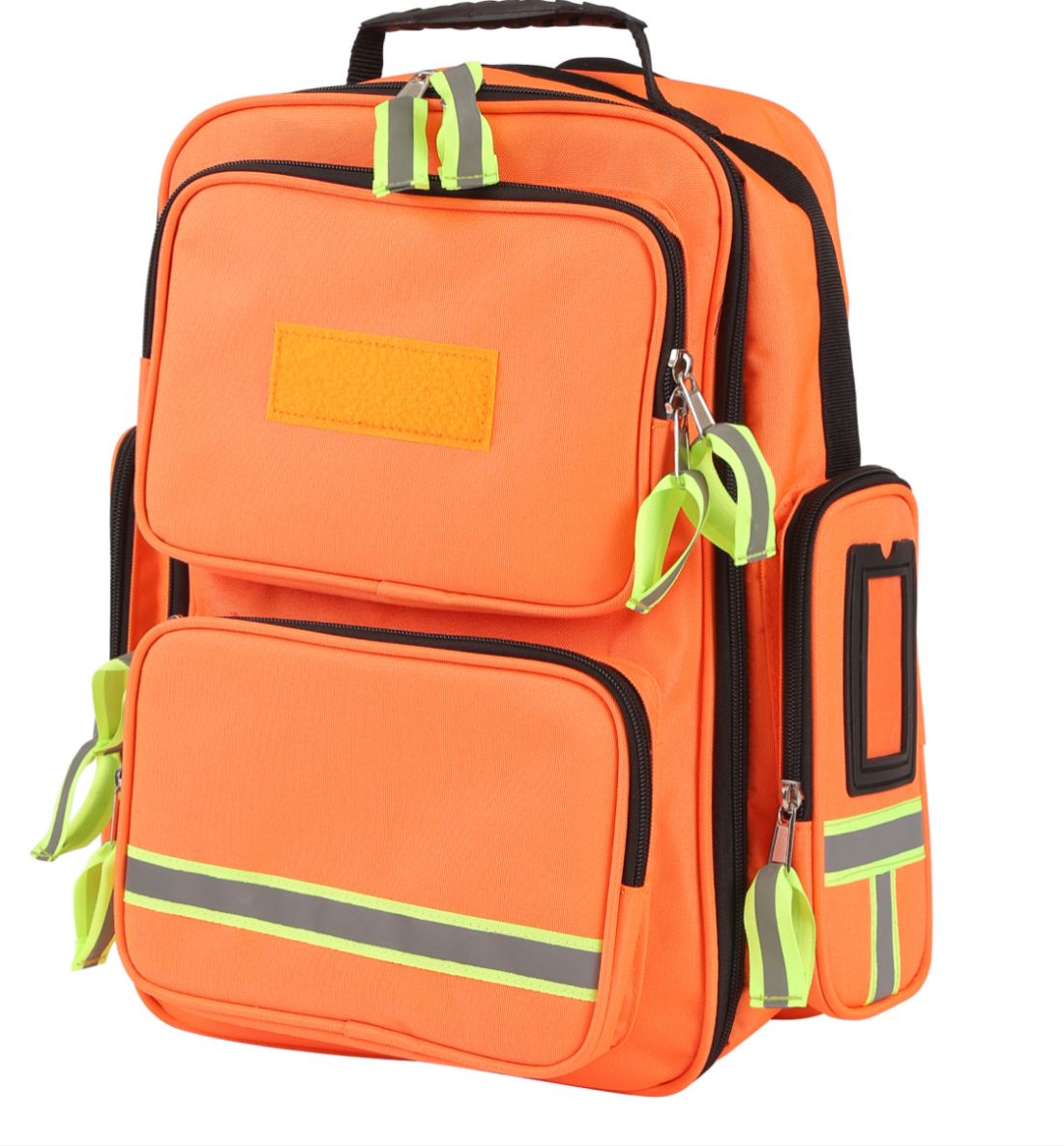
The key to a lightweight go-bag is ruthless minimalism paired with smart, multi-use gear. Instead of packing for every possible scenario, focus on the absolute essentials: shelter, water, fire, first aid, and a few critical tools. Choose the lightest versions of these items you can afford, and eliminate anything that serves only one purpose. A tarp can be shelter and a rain poncho, a metal water bottle can boil water, and a bandana can filter debris, work as a compress, or signal for help. Before adding anything, ask yourself if it has at least two functions—if not, leave it out.
Weight creeps in when we pack our fears rather than our needs. A common mistake is stuffing in “just in case” extras that add bulk and fatigue. To counter this, lay everything out and categorize items into survival priorities. Shelter and insulation come first, followed by hydration and signaling. Then, critically evaluate each item’s weight-to-utility ratio. For instance, a heavy multitool with a dozen rarely used features is dead weight; a small locking blade and a separate lightweight pair of pliers saves grams and boosts practicality. Replace bulky cotton items with compressible synthetics or merino wool, which insulate even when damp.
A go-bag that works feels invisible on your back, not like a burden. Test your load by walking a few miles with it—if you’re sore or struggling, it’s time to trim. Use a digital scale to weigh every single item; the combined weight of small “lightweight” gadgets often surprises you. Opt for soft, frameless packs with sternum straps to distribute weight close to your body. Remember, the best go-bag is the one you’ll actually carry, not the one stuffed with gear that sits in a closet. Regularly update and practice with your kit—familiarity reduces the impulse to overpack and sharpens your ability to improvise with less.
Gear That Handles the Unexpected: From Blackouts to Blizzards
A few years back, a sudden January ice storm knocked out our power for five days. The house turned into a freezer, and the only thing keeping us sane was a dusty old camp stove we’d nearly donated the summer before. That experience taught me something simple but profound: the best gear isn't always the newest or flashiest—it's the stuff you can actually count on when everything else goes dark.
Most people stockpile generators and LED lanterns, and for good reason. But I’ve found that it’s the quiet, almost mundane items that truly bridge the gap between panic and comfort. A hand-crank radio not only keeps you informed but gives you a small ritual in the silence of a blackout. Thick wool blankets, a gravity-fed water filter, and a stack of board games do more for morale than any high-tech gadget. In a blizzard, your neighbor’s four-wheel drive might get stuck, but a simple pair of snowshoes and a well-insulated sled can get supplies to the front door.
It’s easy to laugh at old-fashioned preparedness until you’re sitting in the cold, realizing your phone’s battery backup pack drained after six hours. A solar charger with a panel you can set in a window works, but even better is a stash of long-burning beeswax candles that throw off a surprising amount of heat. Throw in a cast-iron skillet that works on both a camp stove and a fireplace grate, and you’re not just surviving—you’re adapting. The unexpected will always arrive unannounced, but with the right gear, it doesn’t have to feel like a crisis.
Why Ordinary First-Aid Kits Fall Short
Most standard first-aid kits are designed for minor scrapes and headaches, not the chaos of a real emergency. They’re packed with tiny bandages, single-use antiseptic wipes, and perhaps a pair of flimsy tweezers—items that quickly prove useless when you’re facing a deep laceration, a severe burn, or a sudden cardiac event. The assumption is that you’ll never need more than a Band-Aid, but real-life accidents rarely read the manual.
Another glaring gap is the lack of personalization. Off-the-shelf kits treat everyone as an identical patient, ignoring critical factors like known allergies, chronic conditions, or the specific risks of your environment. If someone in your group has a severe bee-sting allergy and your kit lacks an epinephrine auto-injector, those generic supplies become tragically irrelevant. The same goes for outdoor adventures where a snake bite kit or a tourniquet might be the difference between life and death, yet are nowhere to be found in the typical drugstore box.
Worse still, these kits often expire in silence. Medications lose potency, adhesives dry out, and sterile packaging degrades—all while the kit sits untouched in a closet, fostering a false sense of preparedness. Without regular audits and a mindset that sees the kit as a living resource, ordinary first-aid solutions create a dangerous illusion of safety that can fail at the worst possible moment.
The Emergency Food That Actually Tastes Like Real Food
When disaster strikes, the last thing you want to dread is your own food supply. Most emergency rations are bland, chalky, or so processed that they barely resemble anything you'd eat by choice. But there's a new wave of survival meals that flips the script—dishes that come out of the pouch with real textures, recognizable ingredients, and flavors that actually remind you of a home-cooked meal. From savory stews to hearty pasta, these aren't just calories in a bag; they're comfort food that just happens to last for years on a shelf.
The secret lies in how they're made. Instead of relying on freeze-dried blocks that need excessive rehydration, these meals are gently cooked and then sealed using a vacuum process that locks in taste and nutrition. Open a pouch, add hot water, and in minutes you're sitting down to a meal that could almost pass for a weeknight dinner. No weird aftertastes, no artificial chewiness—just real, satisfying dishes that make a stressful situation feel a little more normal. It's a game changer for anyone who's spent too many nights in a tent with a disappointing bowl of artificial soup.
Even better, the variety puts typical emergency kits to shame. We're talking about chili with actual beans and visible spices, mac and cheese that's creamy not grainy, and oatmeal bursting with real fruit bits. They're designed with real-world testing by campers, preppers, and families who want peace of mind without sacrificing flavor. When you can store food that your kids actually ask for during a power outage, you know you've found something worth stocking.
Prepping Without Panic: Smart Choices for Any Crisis
Staying level-headed is the first real supply you need. When news cycles amplify uncertainty, it’s tempting to rush out and buy everything in sight, but that panic-buying reflex often leaves you with a garage full of canned goods you’ll never eat and critical gaps where it matters most. Instead, take a slow breath and assess what your household actually relies on day to day—medications, pet food, a way to charge devices—and build from there. A calm mind spots solutions that a frantic one overlooks.
Smart preparation isn’t about building a doomsday bunker; it’s about weaving resilience into your ordinary routine. Think of it as layering small, almost invisible habits: keeping the gas tank above half, stashing a spare phone charger in your bag, or learning to cook a few more meals from pantry staples. These choices don’t scream “crisis mode” to your family or your nerves, yet they create a cushion that adapts to whatever disruption arrives, from a power outage to a supply chain hiccup.
And don’t underestimate the power of community. Knowing your neighbors, sharing skills, or simply having a local group chat can turn a scary unknown into a manageable problem. Real security often lives in the quiet connections we nurture before we ever need them, not in a stockpile hidden under the stairs.
FAQ
A truly dependable supplier focuses on rigorous quality checks and gear that's been field-tested in real scenarios, not just lab conditions. They offer transparent sourcing details and provide replacement parts easily, so you're not stuck if something breaks after a single use. Look for those with long-standing contracts with rescue teams or military units — it's a sign their products are trusted when lives are on the line.
Start by evaluating the most likely risks where you live: earthquakes, floods, or power outages. For each scenario, identify the basics — water purification, shelter, first aid — then add items that address niche needs, like a solar charger if you're in a storm-prone area. Avoid the trap of buying pre-packed kits with cheap filler items; instead, build around multi-purpose tools that you already know how to use.
For a family, you'll want a base kit that covers at least 14 days of essentials, with modular add-ons for each member. Look for packs with reinforced stitching, waterproof zippers, and compartments that let you grab specific modules quickly. Brands that include a hardcopy manual and offer online video tutorials are preferable, because in a real crisis, fumbling with unfamiliar gear costs precious time.
People fixate on gadgets and forget comfort and morale — things like storm-proof matches, a deck of cards, or powdered drink mixes. Another overlooked item is copies of critical documents on a waterproof USB drive, plus a recent family photo in case anyone gets separated. Also, most haven't tested their gear in the dark or with one hand, which reveals design flaws instantly.
Keep everything in a cool, dry place away from direct sunlight, as UV and heat degrade plastics and fabrics. Use airtight containers with desiccant packs, and check expiration dates on water, food, and batteries every six months. Rotate seasonally — swap out winter layers and hand warmers for insect repellent and sun hats, so the kit is always matched to current weather threats.
A basic kit covers about 72 hours with minimal first aid, a space blanket, and some water packets. A comprehensive one extends to weeks, includes advanced first aid (like tourniquets and splints), multiple communication tools, power generation, and even hygiene issues like a portable toilet. Think of it as the difference between waiting for rescue and being self-sufficient until normal services resume.
Yes — check for ANSI/ISEA ratings for high-visibility gear, CE marks for European standards, and NIOSH approvals for respirators. For water filters, NSF/ANSI 53 or 58 labels indicate reliable pathogen removal. Don't just trust a brand's marketing; if a product lacks these marks, dig into independent lab test reports, which reputable suppliers often publish voluntarily.
Send them a pre-sales question about a specific product — maybe how to recharge a peculiar battery in their kit. A good supplier responds within a day with detailed, accurate info and won't push you to buy extras. Also check if they offer post-disaster support, like replacing gear damaged in an actual event at a discount. Real customer care shines when you ask 'what if I actually have to use this?'
Conclusion
In the world of emergency preparedness, the difference between chaos and controlled response often comes down to the quality of your gear. A top-tier emergency kit supplier doesn't just throw together the obvious items; they curate must-have survival tools you won't think of—items like a compact water filtration straw, a multi-tool with obscure but critical functions, or a solar-powered phone charger that packs flat. They also obsess over the art of building a go-bag that won't weigh you down, using ultralight materials and ergonomic designs so you can move fast without sacrificing essentials. When the unexpected strikes, from sudden blackouts to severe blizzards, their gear is engineered to handle the extreme, keeping you safe, warm, and connected when it matters most.
Beyond the basics, this supplier tackles the flaws in standard emergency products with thoughtful innovation. They know why ordinary first-aid kits fall short—lacking trauma supplies, expert instructions, or compact organization—so they design comprehensive medical packs that actually prepare you for real injuries. And let's face it: surviving on bland, chalky rations is demoralizing, which is why they stock emergency food that actually tastes like real food, from savory stroganoff to hearty granola, boosting morale when comfort is scarce. Ultimately, their philosophy is about prepping without panic: providing smart, intuitive choices for any crisis so you can stay calm and ready, trusting that every piece of gear has a purpose. That's what sets a truly exceptional supplier apart—the ability to turn fear into focused readiness.
Contact Us
Contact Person: Andy Yu
Email: [email protected]
Tel/WhatsApp: +86 19858933676
Website: https://www.kebonfirstaid.com