

Toothpaste Tube Supplier Selection: Essential Factors for Quality Packaging
2026-07-29
Choosing the right toothpaste tube supplier can make or break your brand’s shelf appeal and customer trust. From material durability to print precision, every detail matters. At Sanrong Packaging, we understand that quality packaging isn’t just about looks—it’s about protection, compliance, and a seamless user experience. Let’s explore the key factors that separate a mediocre tube from a market-winning one.
The Foundation of Freshness: Selecting Tube Materials That Protect
Every product that promises lasting freshness begins with a silent guardian: the tube it's packaged in. The choice of material isn't just a technical detail; it's the fundamental barrier between a carefully crafted formula and the outside world. Aluminium, for instance, offers an almost perfect shield against light, air, and moisture, acting like a miniature vault that locks in volatile compounds and prevents oxidation. On the other hand, modern multi-layer plastics cleverly combine different polymers to block oxygen migration while remaining flexible and user-friendly. The right selection means thinking beyond cost per unit and envisioning how each material interacts chemically with what it holds—some can leach or react over time, undetected until the product’s quality has silently slipped away.
Consider the journey from production to a customer’s shelf: tubes face temperature swings, transportation vibrations, and long storage periods. A material that seems robust in a lab might develop micro-fractures under real-world stress, slowly allowing flavour or potency to escape. Barrier properties become even more critical with natural and preservative-free formulations, which are less forgiving of any intrusion. Silicone-lined closures and high-grade aluminium laminates aren’t mere upgrades—they’re necessities when purity is paramount. It’s a quiet science, but those subtle choices preserve not only the contents but the brand’s reputation with every use.
Beyond performance, there’s a growing dialogue between protection and sustainability. Tubes made from recycled yet high-barrier materials are emerging, challenging the old belief that eco-friendly options compromise safety. Plant-based plastics with inner protective layers and aluminum tubes containing a high percentage of post-consumer recycled content are reshaping what freshness means in the circular economy. Selecting the ideal material now involves balancing three pillars: absolute product integrity, a seamless user experience, and an authentic environmental pledge—without letting any one of them collapse the other two.
Green Beyond the Label: Real Sustainability in Packaging
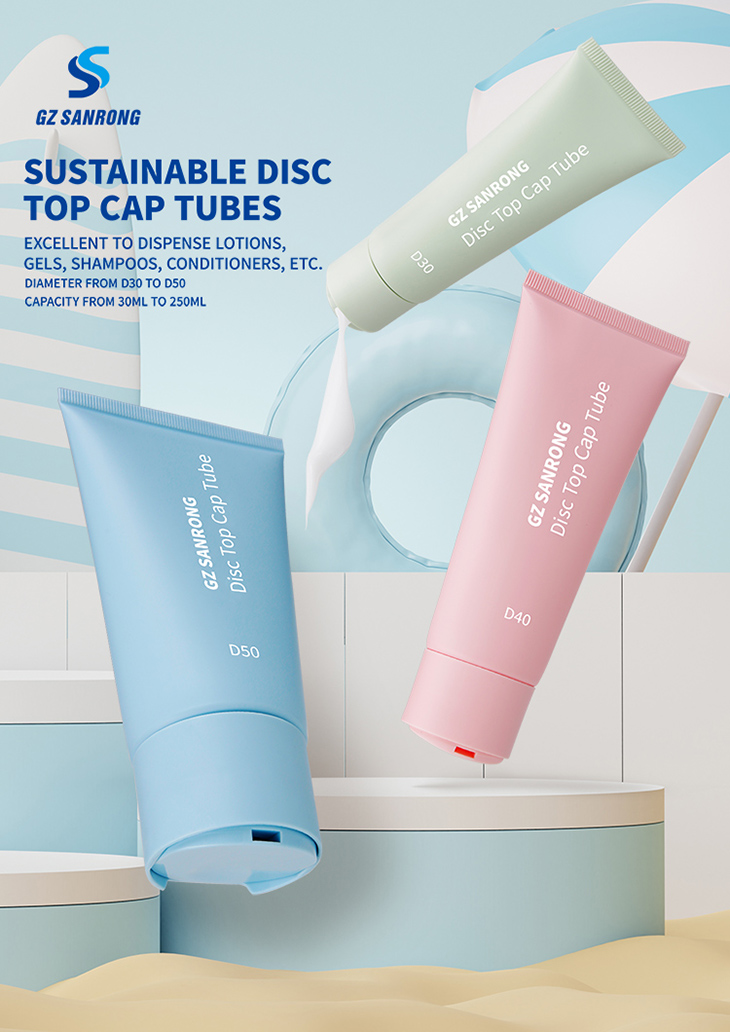
Sustainability in packaging isn’t just about swapping plastic for cardboard or slapping on a leaf logo. It’s a tangled web of material choices, supply chain realities, and end-of-life infrastructure. A “biodegradable” container might only break down in industrial facilities that don’t exist in many regions, leaving consumers with false confidence. Real progress means looking at the full lifecycle—from how raw materials are sourced and how much energy is used in production, to whether the package actually gets collected and reprocessed in practice.
Too often, brands lean on vague “green” imagery without the data to back it up. Certifications like FSC, Cradle to Cradle, or the EU Ecolabel provide a more reliable signal, but even they can be limited in scope. What matters more is whether the packaging is genuinely needed in the first place. Lightweighting, refill systems, and eliminating unnecessary layers often have a bigger impact than switching materials. And when companies share their methodologies openly—warts and all—they build trust that glossy marketing never could.
Some of the most exciting shifts aren’t on the shelf but behind the scenes. Closed-loop systems where packaging never becomes waste, edible films that vanish with the product, and digital tracing that verifies responsible sourcing are changing the game. These solutions demand collaboration across designers, material scientists, and waste managers—a reminder that real sustainability is a systems challenge, not a labeling one.
Your Brand, Your Design: Tailored Tube Customization
Imagine holding a packaging tube that feels unmistakably yours—every curve, color, and texture reflecting exactly what your brand stands for. We skip the cookie-cutter approach and dive straight into what makes your product unique, crafting tubes that don't just hold contents but tell your story from the first glance.
From selecting the perfect diameter to deciding on a matte or gloss finish, the process is a genuine collaboration. You guide the design, we bring the expertise, and together we shape a container that fits your product like a glove and catches the eye without shouting.
It's not about offering endless options for the sake of it. It's about nailing the details that matter to your customers—whether that's a soft-touch feel, a vibrant print, or a closure that clicks satisfyingly. Your brand personality isn’t an afterthought here; it’s the starting point.
Visual Impact: Achieving High-Definition Print Quality
Print quality is often measured by how faithfully a design translates from screen to paper, and that jump hinges on resolution, ink behavior, and substrate compatibility. A high-definition result starts with source files built at a true 300 DPI or higher for the final output size, avoiding interpolated upsamples that soften edges and muddle small text. Vector elements keep their crispness regardless of scale, but raster components demand careful pixel management—sharpening should be applied only after layout is finalized, with a restrained hand to prevent halos in fine detail areas.
Beyond the numbers, the physical interaction between ink and media creates the perceived sharpness. Coated stocks allow pigments to sit on the surface with minimal dot gain, preserving the fidelity of tight line work and smooth gradients, while uncoated papers absorb more, requiring compensation in color separation or a deliberate aesthetic choice that leans into natural diffusion. Modern digital presses and inkjet proofing systems use variable droplet technology and light cyan/light magenta channels to reconstruct subtle highlights without visible dithering patterns, a critical factor when reproducing photographs or delicate watercolor effects.
Lighting conditions at the final display also define visual impact. A print viewed under controlled gallery spots can reveal micro-contrast and sheen that disappear under flat office fluorescents. Trade printers often apply a final coating—gloss, satin, or soft-touch laminate—not only for protection but to manipulate the surface reflectance and deepen perceived density. For the most demanding applications, such as fine art reproductions or luxury packaging, spectrophotometric profiling of the entire print chain, from monitor to press, ensures that the high-definition intent of the designer survives every conversion and emerges intact on the final sheet.
Hygiene at the Core: Manufacturing Standards for Oral Safety
Every product meant for the mouth demands a production environment where cleanliness isn't just a protocol—it's a non-negotiable principle. From the moment raw materials enter the facility, they pass through a series of controlled checkpoints designed to eliminate contaminants. Air filtration systems run continuously, surfaces undergo scheduled sterilization, and personnel follow rigorous gowning procedures. This isn't about meeting a checklist; it's about cultivating a mindset where hygiene becomes second nature to every person on the floor.
The machinery itself tells a story of uncompromising design. Stainless steel components with seamless welds prevent bacterial harborage, while closed transfer systems keep ingredients untouched by human hands. Water used in production is treated to pharmaceutical-grade purity, and routine swab tests verify that every zone remains microbiologically stable. Even the packaging materials are selected and handled to avoid introducing any foreign matter, because safety at the point of use begins long before the product is sealed.
Traceability ties these practices together, allowing each batch to be followed from origin to consumer. If a deviation occurs, the system flags it instantly, and no product moves forward without a thorough investigation. This layered approach—combining physical controls, environmental monitoring, and real-time documentation—means that oral safety isn't an afterthought. It's baked into the very blueprint of how things are made.
Dependable Partners: Assessing Long-Term Supplier Reliability
Finding suppliers who can truly stand the test of time goes beyond checking boxes on a qualification form. It requires a deep dive into their operational history, financial stability, and the consistency of their output under varying conditions. A partner that delivers flawlessly during calm periods but crumbles under pressure isn't really dependable. We look for evidence of resilience—how they've handled raw material shortages, sudden demand spikes, or logistical disruptions without sacrificing quality or communication.
Another angle is the human element behind the contracts. Long-term reliability often hinges on the supplier's willingness to invest in the relationship, whether through dedicated support teams, proactive problem-solving, or continuous improvement initiatives. Visiting their facilities, talking to their floor managers, and understanding their company culture reveals more than any audit report. Do they treat their own workforce and sub-tier partners the same way you'd want to be treated? That mutual respect is a quiet but powerful indicator of how they'll perform when things get tough.
Finally, it's about shared vision. The most dependable partners are those who align with your growth trajectory and ethical standards, not just your current specifications. They're honest about their limitations and won't overpromise to win a contract. This transparency builds a foundation where problems are caught early and solved together, turning a transactional vendor into a strategic ally. Over time, this trust becomes the bedrock of a supply chain that doesn't just survive market shifts—it adapts and thrives.
FAQ
Beyond basic specs, evaluate the supplier’s material sourcing transparency, consistency of tube thickness across batches, and their approach to precision in shoulder sealing. Ask for real production samples, not just prototypes, to gauge durability under varied transport conditions.
Request barrier property test data specific to your formula—oxygen and moisture transmission rates matter. A capable supplier proactively suggests inner lacquer combinations and conducts accelerated shelf-life testing with your actual product, not generic substitutes.
It’s critical. A supplier that quickly adapts to minor adjustments like nozzle diameter or custom color matching without long lead times shows agile production. Check how they handle last-minute order changes—real reliability comes from flexible process control, not just promises.
Look beyond recyclability claims. Consider their waste reduction efforts in manufacturing, use of post-consumer recycled content without compromising tube integrity, and energy-efficient curing methods. A forward-thinking supplier shares lifecycle assessment data openly.
Don’t just rely on digital proofs. Request physical samples printed on the exact laminate structure and surface finish you’ll use. Pay attention to fine text legibility, color gamut in curved areas, and abrasion resistance after repeated handling—this reveals true print capability.
They should provide engineering insights on tube ovality, laminate layer optimization for squeezability, and nozzle flow dynamics. Ideally, they simulate filling line behavior with your tube dimensions to prevent jamming or tipping, not just offer static design files.
Examine their batch-to-batch weight and dimension variability data, not just maximum monthly output. Visit their facility unannounced if possible to see how they manage raw material inventory and temperature-controlled storage—this signals long-term dependability.
Conclusion
Choosing the right toothpaste tube supplier goes far beyond surface appeal. The real test begins with the tube material itself—how well it safeguards product freshness by blocking oxygen, moisture, and light. High-barrier laminates like aluminum barrier or EVOH-based structures aren't just technical specs; they directly affect how your toothpaste performs on the shelf and inside the consumer's bathroom. At the same time, sustainability can't be an afterthought. Truly eco-friendly packaging demands more than a green logo: look for suppliers using post-consumer recycled content, bio-based plastics, or lightweight designs that reduce carbon footprint without compromising barrier properties. And none of this matters if the tube doesn't feel like yours. Tailored customization—from unique shapes and flip-top caps to soft-touch finishes—lets your brand identity shine through every detail, making sure the package is an extension of your product's promise rather than a generic wrapper.
Visual impact is often what catches the consumer first, and high-definition printing can make colors pop and text crisp, but only if the supplier manages color consistency and surface adhesion flawlessly. Equally crucial is hygiene: oral care products demand manufacturing under strict protocols like ISO 22716, with cleanroom-like environments to prevent contamination. A supplier that cuts corners here puts your entire brand at risk. Finally, supplier reliability isn't just about on-time delivery; it's about consistency in quality batch after batch, transparent communication, and the capacity to scale with your growth. A long-term partner can navigate material shortages, suggest design improvements, and adapt to shifting regulations—capabilities that turn a transactional relationship into a competitive advantage. When all these factors align, your packaging becomes more than a container; it becomes a silent ambassador for quality and trust.
Contact Us
Contact Person: Alex Wu
Email: [email protected]
Tel/WhatsApp: 86-20-37965868
Website: https://www.gzsanrong.com/en.html