

Shuttle Rotomolding Machine Manufacturer - How to Choose the Right Partner
2026-11-16
Most buyers pick a shuttle rotomolding machine manufacturer by price alone, then spend years paying for that decision in downtime and rework. The right partner does more than deliver equipment—they safeguard your production schedule. That's why Rising Sun focuses on measurable reliability, not just machine specs. Before you compare quotes, know the questions that separate genuine manufacturers from order-takers.
The Shop Floor Tells the Real Story
In boardrooms, strategy decks paint a tidy picture of operations: perfect yields, minimal downtime, and satisfied teams. But walk onto the shop floor and a different narrative emerges. The hum of machines, the hesitation in a technician's voice when asked about a recurring fault, or the stack of unlabeled parts near the loading dock all speak louder than any polished KPI report. The real story lives in the details that rarely make it to management summaries—the shortcuts taken to hit a deadline, the improvised fixes that became permanent, and the quiet pride of a line worker who knows the process better than any manual.
Managers who rely solely on dashboards miss the subtle signals that predict trouble. A drop in suggestion-box submissions might look like contentment, but on the floor it often signals resignation. An uptick in material scrap could be blamed on supplier quality, yet a five-minute conversation with the operator reveals a poorly calibrated fixture that has been “temporarily” patched for weeks. These insights don't appear in spreadsheets; they surface only when leaders spend time listening, watching, and asking uncomfortable questions where the work actually happens.
Rethinking how we gather truth from the front line starts with trust. Operators won't share the real story if they fear blame or retribution. Instead of asking “why did this fail?” a better question is “what would you change if you ran this line?” The answers often expose gaps between documented procedures and daily reality. By treating the shop floor not as a data source to be mined but as a community with hard-won knowledge, organizations can finally align their glossy plans with the unvarnished truth of production.
Material Range Is the Manufacturer’s True Test
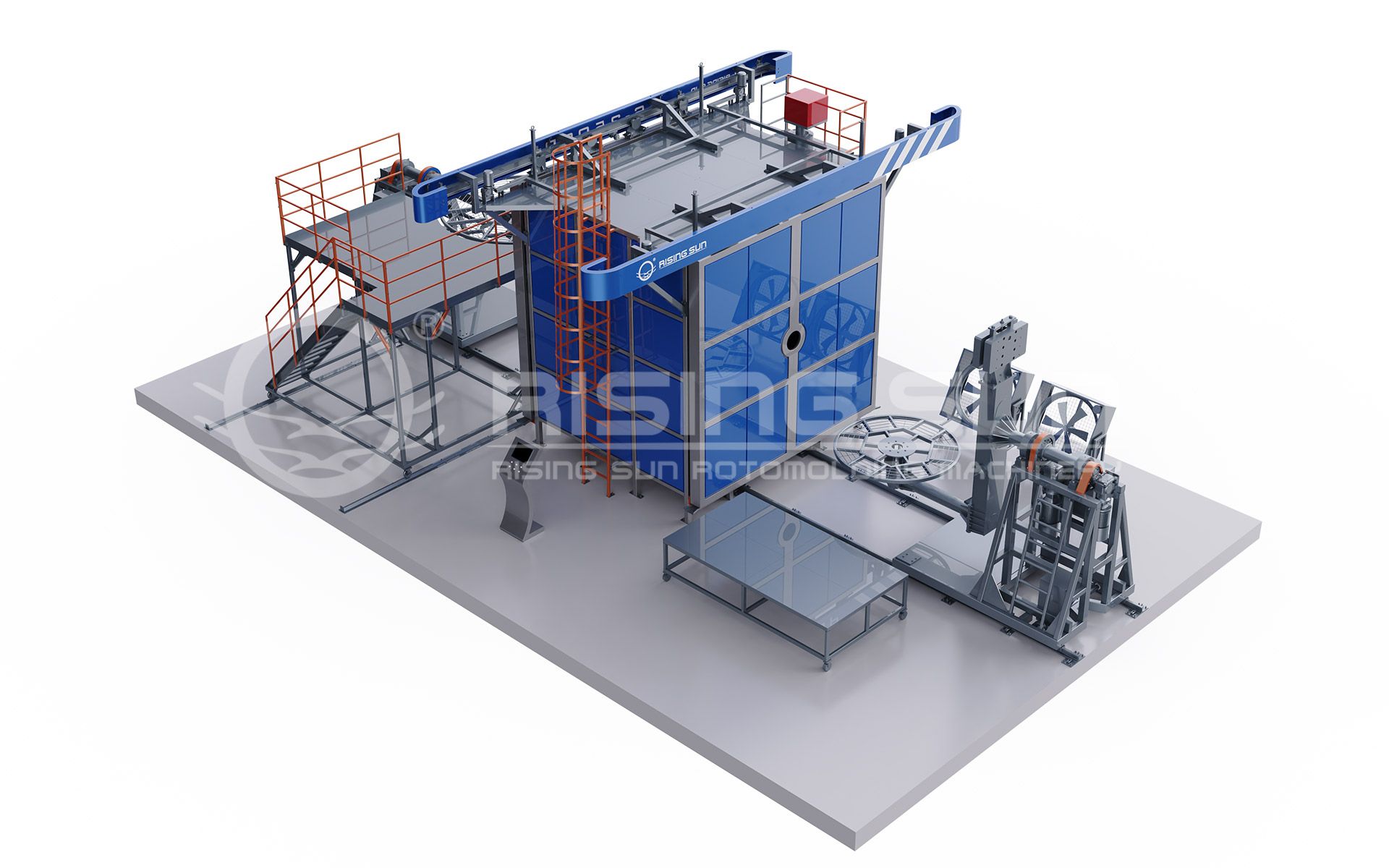
Most buyers size up a factory by its largest machine or fastest lead time, but the sharper measure is how many different materials a shop can handle without flinching. A manufacturer that works with only one or two alloys may have tuned a narrow process to perfection, yet it can fall apart when a design calls for something lighter, tougher, or more resistant to corrosion. A broad material range signals flexibility, not just bigger equipment.
Moving between stainless steel, aluminum, titanium, engineering plastics, and specialty composites demands more than a deeper tool catalog. It means the engineering team actually understands how each material reacts to heat, stress, and cutting forces. They know why a polymer needs a different feed rate than a nickel alloy, or why a certain stainless grade will warp if clamped too aggressively. That kind of hands-on knowledge cannot be faked with a checklist or a polished brochure.
When a supplier switches materials without losing tolerance or repeatability, it proves their process control is built on real understanding rather than guesswork. It also shows they have seen enough unusual requests to warn you when a material choice is headed for trouble. That practical judgment, earned across many material families, is what separates a true manufacturing partner from a shop that merely owns the right machines.
Custom Doesn’t Have to Mean Complicated
Custom work often gets a bad rap for requiring endless back-and-forth, but that’s only true if the process is built wrong. A clear brief, a few smart default choices, and a maker who knows their materials can turn “custom” into a simple set of decisions rather than a maze. You don’t need to become a designer; you just need someone asking the right questions.
The trick is to start with what already works and tweak from there. Instead of designing every detail from scratch, you pick a solid base and adjust the parts that actually matter to you—dimensions, finish, hardware, maybe a small feature you’ve always wanted. That keeps the timeline short and the cost predictable, without making the result feel off-the-shelf.
What makes custom feel complicated is usually a lack of guardrails. When the options are infinite, every choice feels heavy. But when the process offers a curated set of variations—each shown clearly, with real trade-offs explained—custom becomes no harder than ordering off a menu you’ve already read. It’s not about doing more; it’s about doing the right few things well.
The Best Partners Answer After the Invoice Is Paid
Plenty of vendors vanish once the payment clears. The ones worth keeping pick up the phone a month later when something breaks, or when you simply need a second opinion. They treat the invoice as the start of a working relationship, not the finish line.
That follow-through shows up in small ways: a quick reply to a question about a feature you haven't touched yet, a heads-up about an upcoming change that might affect your setup, or an unsolicited tip that saves you an afternoon of troubleshooting. It's not about being on call forever—it's about not making you feel like you're bothering them.
When a partner answers after the invoice is paid, you stop worrying about whether you'll be stranded. You can plan further ahead, experiment more freely, and trust that the work won't fall apart the moment the contract ends. That kind of reliability is rare, and it's the main reason people stay loyal for years.
On-Time Delivery Is a Habit, Not a Promise
Timely delivery isn't something we announce—it's something we practice every single day. It lives in the quiet rhythm of our warehouse, where orders are picked, packed, and dispatched before the coffee cools. You won't find grand slogans on our walls; you'll find a team that treats a missed deadline like a personal failure. That's the difference between a promise written in marketing copy and a habit etched into daily operations.
Consistency comes from systems, not intentions. We've built our entire workflow around realistic lead times, buffer stocks for high-demand items, and carrier partnerships that actually align with our schedule—not the other way around. Every package that leaves our dock has already survived three internal checks. The result? A delivery record that stays boringly predictable, which is exactly how we like it.
When you order from us, you're not crossing your fingers. You're tapping into a routine that has quietly delivered thousands of parcels without fanfare. Habit beats promise because a promise can be broken once; a habit simply doesn't know how to skip a beat.
Lower Operating Costs Beat Lower Purchase Price
A low purchase price can feel like a win at the signing table, but it often masks a slower drain on your budget. The real question isn't what you pay today—it's what that equipment or system will cost every month after it's installed. Energy consumption, routine maintenance, downtime, and even the price of replacement parts stack up quickly, and a "cheap" upfront deal frequently leads to inflated operating expenses that erode any initial savings within the first year or two.
Consider two air compressors: one sells for $8,000 and another for $11,500. The cheaper unit draws 15% more power and needs twice-yearly service with expensive filters. Over five years, those higher energy bills and maintenance visits add roughly $4,200 in extra costs. The pricier compressor, with better efficiency and longer service intervals, ends up costing $700 less overall—despite the higher sticker price. That gap only widens as equipment ages.
Smart buyers look past the invoice and calculate the total cost of ownership for the expected lifespan. A lower operating cost translates to predictable budgets, fewer emergency repairs, and less unplanned downtime. When you compare machines, vehicles, or even facilities, the ones that sip resources instead of guzzle them almost always deliver better financial health over time. The purchase price is a one-time event; operating costs are a monthly conversation with your bottom line.
FAQ
Look beyond general claims. Ask for drawings of the shuttle carriage and arm assembly. Pay attention to how they handle thermal expansion during oven cycles, whether the drive system uses variable frequency motors for smoother movement, and if the control logic allows independent zone tuning. A manufacturer that can explain these details clearly usually has real process knowledge, not just fabrication capacity.
Request a candid discussion about how their machines handle challenging materials like cross-linked polyethylene or engineered nylons. A capable partner will mention specific temperature profiling strategies, cooling rate adjustments, and even mold rotation speed differences rather than giving generic "it works with all plastics" answers. Ask for case studies where material changeover was a key requirement.
The right partner starts with your part envelope and production goals, not a standard brochure. Useful customization includes adjustable oven zones, programmable multiple shuttle paths, dual-station cooling with independent fans, and control systems that integrate with your existing plant monitoring. If they push a fixed configuration without asking about your mold sizes or cycle targets, treat that as a warning sign.
Visit an existing installation that has been running for at least three years. Look for signs of chain wear, straightness of rails, rust in cooling areas, and how often the customer performs preventive maintenance. Ask the operator, not the salesperson, about downtime frequency and any recurring faults. Request spare parts pricing for commonly replaced items like seals, bearings, and burner components to understand total cost of ownership.
Define response time in hours, not days, and put it in writing. Clarify whether remote diagnostics are included, who performs on-site service in your region, and how quickly critical spares can be shipped. A strong partner will offer training for your maintenance team at their facility and provide updated documentation after any machine modification. Avoid suppliers that only offer a warranty card and a phone number.
Yes, because it demonstrates confidence in their equipment and gives you real data before investment. A good manufacturer will run your mold or a similar test piece, measure wall thickness distribution, and share cycle time results. This also reveals their communication style under pressure. If they refuse or charge an unreasonable fee without clear justification, consider how that attitude will translate to future technical support.
Ask how they compensate for ambient temperature swings in the plant, how they manage air flow uniformity across the oven, and what they recommend for cooling warpage reduction on large flat surfaces. Listen for answers that reference specific sensor placement, airflow baffle design, and prior project failures they fixed. General fabricators will answer with surface-level terms, while experienced partners will talk about actual process trade-offs.
Watch for consistently vague answers about cycle time guarantees, no willingness to share customer references, unclear electrical component brands, and pressure to decide quickly without a technical review. Also be wary if their proposal lacks a detailed scope of supply or if the warranty period is unusually short. Another subtle red flag is avoiding questions about energy consumption per cycle, which often indicates an inefficient oven design.
Conclusion
When evaluating shuttle rotomolding machine builders, the most revealing step is to walk their production floor unannounced. A clean, organized shop with consistent workflow and workers who can explain their stations tells you more about reliability than any brochure ever could. The same goes for material flexibility. A manufacturer that regularly runs everything from standard polyethylene to engineered blends and abrasive additives has already proven its engineering depth. Customization should feel like a conversation, not a project: you describe the part geometry and production volume, and they adjust oven size, arm configuration, or cooling zones without making you manage the details. If their custom process starts with a thick requirements document and a long delay, that complexity will follow you into operation.
After the machine is installed and the final payment clears, the real partnership begins. The best suppliers don't vanish; they respond quickly to troubleshooting calls, keep common wear parts available, and proactively check in during the first months of production. Their delivery records show a pattern of on-time shipments backed by internal scheduling discipline, not just hopeful promises. Finally, resist the temptation to compare only sticker prices. A shuttle rotomolding machine with better insulation, more efficient burners, and smarter controls may cost a bit more upfront but will reduce energy consumption, shorten cycle times, and lower maintenance over a decade. That total operating cost difference often dwarfs the initial savings from a cheaper, less optimized build.
Contact Us
Contact Person: Sharon Zhu
Email: [email protected]
Tel/WhatsApp: 8615712666272
Website: https://www.risingsunroto.com