

SF₆ Load Switch Innovation: Optimizing ODM Solutions for Modern Electrical Systems
2026-01-17
In today's rapidly advancing electrical landscape, the demand for innovative and efficient solutions has never been higher—especially when it comes to the safe handling of high-voltage power systems. Enter the SF₆ load switch, a pivotal component driving reliability and performance in modern grids. At Lugao, we're redefining how these critical devices are engineered and deployed through optimized ODM solutions that prioritize both precision and scalability. This blog explores the cutting-edge advancements in SF₆ load switch technology, shedding light on how tailored design-to-delivery approaches can enhance electrical safety, reduce downtime, and future-proof infrastructure. Stay tuned as we unpack the strategies that are setting new benchmarks in the industry.
Revolutionizing Load Switch Design with SF₆ Technology
SF₆ gas is transforming load switch design by providing superior insulation and arc-quenching properties that traditional materials can't match. Its high dielectric strength allows for more compact switches, reducing overall footprint without compromising performance. This enables engineers to create more efficient systems in space-constrained applications.
What sets SF₆ apart is its ability to rapidly extinguish electrical arcs during switching operations, significantly extending equipment lifespan and enhancing safety. The gas's thermal stability ensures consistent operation across varying temperatures, making these switches ideal for harsh environments where reliability is critical.
Modern SF₆ load switches represent a leap forward in power distribution technology, offering unmatched durability and reduced maintenance requirements compared to conventional designs. Their adoption is paving the way for smarter, more resilient electrical networks that can handle increasing energy demands.
Customizing ODM Solutions for Enhanced Electrical Efficiency
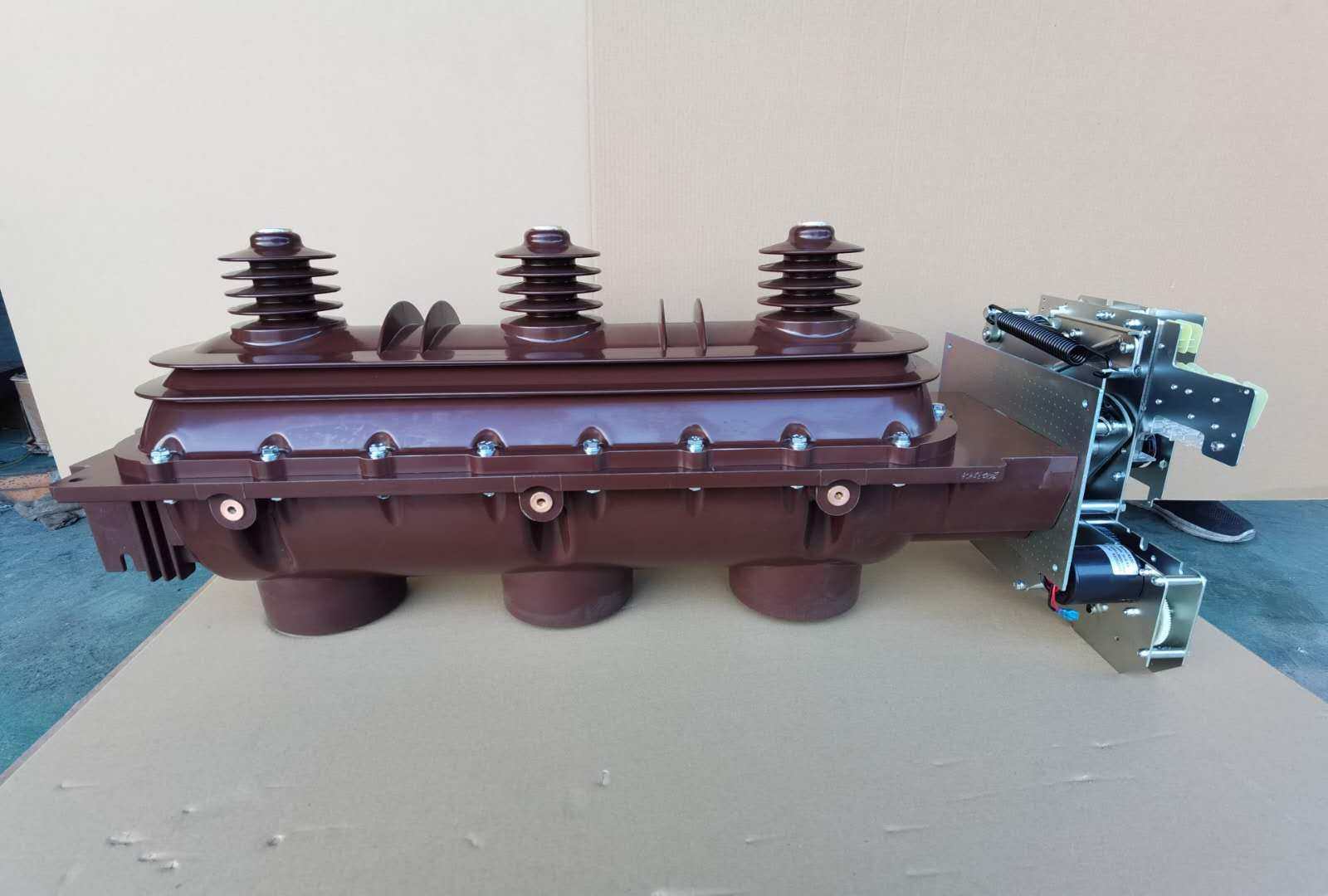
In the rapidly evolving landscape of electrical engineering, achieving peak electrical efficiency isn't just a goal—it's a necessity for sustainability and cost-effectiveness. That's where customizing ODM (Original Design Manufacturer) solutions comes into play. By tailoring designs to specific application needs, manufacturers can optimize components such as transformers, motors, and power supplies, reducing energy losses and improving overall system performance. This bespoke approach ensures that every watt of electricity is utilized with maximum efficiency, leading to lower operational costs and a reduced environmental footprint. Whether it's for industrial machinery, consumer electronics, or renewable energy systems, customized ODM solutions provide a strategic advantage in today's competitive market.
Beyond standard off-the-shelf products, custom ODM solutions allow for the integration of advanced technologies like smart sensors, AI-driven control systems, and high-efficiency materials. This enables real-time monitoring and adaptive adjustments, further enhancing electrical efficiency. For instance, in data centers, customized power distribution units can dynamically allocate energy based on server load, minimizing waste. Similarly, in electric vehicles, tailored battery management systems optimize charge cycles to extend battery life and reduce energy consumption. By focusing on specific use cases, these solutions deliver tangible benefits that generic alternatives often miss, making them a key driver in the push for greener, more efficient electrical infrastructure.
The process of customization involves close collaboration between clients and ODM partners, from initial design phases to prototyping and testing. This hands-on approach ensures that solutions are not only efficient but also reliable and scalable. For example, in smart grid applications, customized inverters can be designed to handle fluctuating renewable energy inputs, maintaining grid stability while maximizing efficiency. As industries continue to prioritize energy conservation, investing in custom ODM solutions becomes a proactive step toward meeting regulatory standards and exceeding consumer expectations for performance and sustainability.
Advancing Modern Electrical Systems Through Innovation
In today's rapidly evolving technological landscape, innovation stands as the cornerstone for enhancing modern electrical systems, driving them toward greater efficiency, reliability, and sustainability. From smart grid implementations that optimize energy distribution in real-time to the integration of renewable sources like solar and wind, advances are reshaping how electricity is generated and consumed. These systems not only meet growing global demands but also adapt to environmental challenges, reducing carbon footprints while ensuring stable power supplies for homes and industries alike.
Key breakthroughs in materials science and digital technologies are propelling electrical infrastructure into new frontiers. Innovations such as superconductors that minimize energy loss during transmission, and IoT-enabled devices that allow for predictive maintenance, exemplify how cutting-edge research translates into practical improvements. By leveraging AI-driven analytics, operators can now anticipate failures before they occur, enhancing safety and reducing downtime. This synergy between hardware and software is creating more resilient networks capable of withstanding disruptions and supporting future expansions like electric vehicle charging stations.
Ultimately, fostering a culture of continuous innovation is essential for modern electrical systems to thrive in an interconnected world. Collaborative efforts among engineers, policymakers, and communities are sparking novel solutions, from microgrids that empower local energy independence to advancements in battery storage that smooth out intermittent renewable outputs. As these innovations converge, they pave the way for smarter, greener electrical ecosystems that not only power progress but also inspire further exploration in this dynamic field.
Streamlining Operations with Optimized Switch Performance
In today's fast-paced business environments, optimizing switch performance has become a cornerstone for streamlining operations and enhancing efficiency. By fine-tuning these critical network components, organizations can achieve seamless data flow between devices, reducing bottlenecks that often disrupt workflows. A well-tuned switch ensures that packets are routed swiftly and accurately, which is essential for applications requiring real-time data exchange, such as video conferencing or cloud-based tools. This not only minimizes latency but also supports a more responsive IT infrastructure, allowing teams to collaborate without interruption.
Beyond just speed, optimized switch performance can lead to significant cost savings by maximizing hardware utilization. When switches operate at peak efficiency, they handle higher traffic loads without needing constant upgrades or replacements. This reduces maintenance downtime and lowers energy consumption, contributing to a greener operational footprint. Companies that invest in performance optimization often report fewer network-related issues, which translates to fewer support tickets and a more stable user experience. Ultimately, this proactive approach helps align IT resources with business goals, ensuring that technology serves as an enabler rather than a hindrance.
Moreover, in an era where data security is paramount, optimized switch performance plays a dual role by enabling robust network segmentation and access controls. By configuring switches to prioritize traffic and enforce policies, organizations can safeguard sensitive information while maintaining high availability. This strategic setup not only protects against threats but also ensures that critical operations, like inventory management or customer service systems, run smoothly under varying loads. As businesses scale, this adaptability becomes a key differentiator, allowing them to pivot quickly without compromising on network integrity or performance.
Tailoring Solutions to Meet Evolving Industry Demands
Companies aiming to stay ahead in the current market landscape need to move beyond generic strategies that fail to address the nuanced shifts within their sectors. The rapid pace of technological change, evolving consumer expectations, and new regulatory pressures mean that what worked yesterday might be ineffective today. To respond effectively, businesses must adopt a mindset of continuous adaptation, analyzing industry-specific data and trends in real-time to anticipate future needs and challenges. This proactive approach involves not just reacting to obvious changes but seeking out subtle signals that indicate where transformation is likely to occur next.
By customizing solutions rather than relying on one-size-fits-all methods, organizations can build more resilient operations that align closely with their unique contexts. For example, a manufacturing firm might integrate IoT sensors and AI-driven predictive maintenance to address the specific demands of increasing automation and supply chain disruptions, while a healthcare provider could develop personalized patient engagement platforms in response to shifting telehealth patterns. This tailored focus ensures that investments in innovation deliver tangible benefits, fostering a culture where agility and precision drive sustained growth.
Moreover, this strategy enhances customer loyalty and competitive advantage, as stakeholders notice when a company truly understands and adapts to their evolving requirements. It’s about crafting solutions that feel intuitive and relevant, not forced or outdated—turning industry demands into opportunities for deeper connection and long-term success. In essence, the ability to tailor solutions is no longer optional; it’s a hallmark of forward-thinking leadership in an ever-changing world.
Ensuring Reliability and Safety in Electrical Load Management
Effective electrical load management hinges on robust strategies that prevent overloads, reduce downtime, and protect equipment. This involves using smart monitoring systems to track consumption in real-time, allowing for proactive adjustments before problems escalate. By integrating automated controls, such as load shedding and peak shaving, downtime can be minimized, ensuring consistent power for critical operations. Regular maintenance and predictive analytics further enhance reliability, helping to identify potential failures early and prioritize necessary repairs.
Safety is a core component of load management, focusing on preventing hazards like short circuits, overheating, and electrical fires. Implementing industry standards and safety protocols, such as proper insulation and circuit protection, reduces risks significantly. Adopting advanced technologies, including IoT sensors and AI-driven diagnostics, enables real-time hazard detection and immediate response, creating a safer environment for both equipment and personnel. These measures not only comply with regulations but also build trust in system integrity.
A balanced approach that combines reliability and safety leads to optimized performance and cost savings. By prioritizing both aspects, organizations can achieve stable operations while mitigating dangers, ensuring long-term sustainability in an increasingly electrified world. This holistic view fosters innovation and resilience, making electrical systems more adaptable to changing demands and emerging challenges.
FAQ
The innovation centers around enhancing SF₆ (sulfur hexafluoride) load switches, particularly through optimizing Original Design Manufacturing (ODM) solutions to meet the demands of contemporary electrical systems.
Optimizing ODM solutions allows for customized, efficient designs that improve reliability, reduce costs, and integrate advanced features, making electrical systems more adaptable and sustainable.
SF₆ offers excellent insulating and arc-quenching properties, enabling compact designs, high performance under extreme conditions, and reduced maintenance needs for load switches.
Challenges include managing SF₆'s environmental impact due to its high global warming potential, ensuring safety in handling, and balancing cost with performance in ODM processes.
Compared to traditional technologies, this innovation leverages SF₆ and optimized ODM for greater efficiency, smaller footprints, and better customization, though it may require more upfront investment.
Future developments may focus on eco-friendly SF₆ alternatives, integration with smart grid technologies, and further ODM enhancements for scalability and interoperability in diverse electrical systems.
Conclusion
The article titled "SF₆ Load Switch Innovation: Optimizing ODM Solutions for Modern Electrical Systems" explores the transformative role of SF₆ technology in revolutionizing load switch design, enhancing electrical efficiency, and advancing modern electrical systems through tailored solutions. It delves into how this innovation optimizes ODM solutions, streamlines operations, and meets evolving industry demands by ensuring reliability and safety in electrical load management.
By integrating cutting-edge SF₆ technology, the load switch design not only improves performance but also offers customized solutions that boost electrical efficiency. This advancement supports modern electrical systems by providing optimized switch performance, which in turn streamlines operations. The article emphasizes tailoring these solutions to adapt to changing industry needs, all while prioritizing safety and reliability in managing electrical loads, thereby delivering a comprehensive approach to innovation in the field.
Contact Us
Contact Person: Doreen
Email: [email protected]
Tel/WhatsApp: 8618057712366
Website: https://www.liugaopower.com/