

Professional Maize Grinding Machine: The Complete Guide to Efficient Corn Milling
2026-06-19
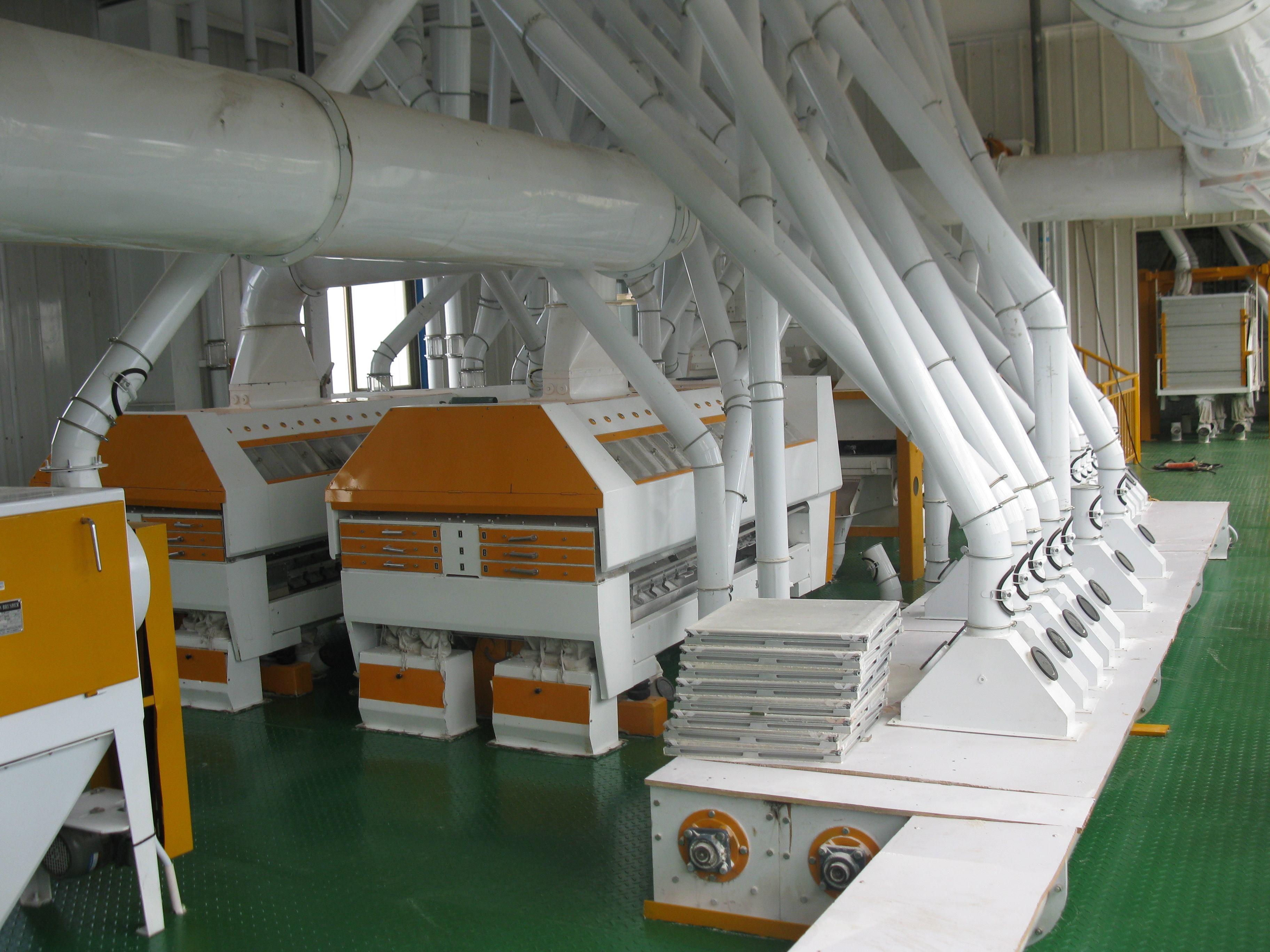
Maize milling remains a cornerstone of food processing, and getting it right starts with the right equipment. Whether you're scaling up production or refining quality, a professional maize grinding machine can transform your operation. In this guide, we explore what makes efficient corn milling possible—and why industry leaders like PINGLE are trusted to deliver consistent, high-capacity performance. From design essentials to practical tips, you'll discover how to achieve superior results while keeping downtime to a minimum. Let's dive into the details that separate standard output from truly optimized milling.
The Real Impact of Grain Moisture on Milling Efficiency
Achieving the right grain moisture is less a fixed target than a moving balance—too dry, and the kernel shatters unpredictably under the rollers, sending a cloud of fines into the air and eating through power as the mill fights to fracture an overly brittle endosperm. You end up with inconsistent particle sizes that choke sifters and drop the first-grade flour yield noticeably, even if the grist appears to be moving fast. It’s common to see motor loads spike by 5–10% when grinding grain below 13% moisture, while the extra abrasion quietly shortens roll life.
On the flip side, overly damp grain can bring a mill to a sticky halt. Moisture above 16% typically softens the bran so much that it tears rather than cleanly separating, clogging plansifters and purifiers. The extra surface wetness creates dough-like smears on roll surfaces, forcing unplanned stoppages for scraping. Tempering time becomes critical here—adding water is easy, but letting it migrate evenly into the endosperm takes patience. A poorly tempered batch with surface moisture over 17% while the core remains hard will behave unpredictably, swinging between powder and paste from one break passage to the next.
Beyond immediate throughput, moisture levels silently dictate maintenance budgets. Dry grain wears out corrugations rapidly, especially on the first and second breaks, because those sharp edges are grinding against something closer to glass than fibrous material. You might double the replacement schedule for rolls if you persistently mill at under 13%. Wet grain, meanwhile, invites a different kind of trouble—metal parts developing rust pits, wooden plan sifter frames swelling or bowing, and the constant risk of mycotoxin hotspots in storage bins that can contaminate entire runs. Operators learn to read the ammeter, the feel of a squeezed kernel, and even the sound of the mill to keep humidity in the sweet spot where both output and equipment stay healthy.
Choosing the Right Grinding Mechanism: Burr vs. Impact
When you dig into the world of coffee grinders, the first real fork in the road is between burr and impact mechanisms. Impact grinders—often called blade grinders—use a spinning blade that chops beans into fragments, much like a miniature food processor. Burr grinders, on the other hand, crush beans between two abrasive surfaces (flat or conical) that can be adjusted to produce a specific particle size. The difference sounds simple, but it shapes everything from your morning routine to what ends up in the cup.
Consistency is where burr grinders pull ahead dramatically. Because they force every bean through a predetermined gap, you get a much narrower range of particle sizes. That means more even extraction, whether you’re making espresso, pour-over, or French press. Impact grinders, by contrast, tend to create a chaotic mix of fine dust and coarse chunks—uneven extraction leads to bitterness and sourness fighting for attention. Heat is another overlooked variable: blade grinders spin so fast they can actually warm up the grounds, dulling delicate aromatics before you even brew.
That said, there’s still a time and place for a decent impact grinder. If you’re mainly making cold brew or using a method with a long steep time, the unevenness matters less. They’re also vastly cheaper and take up no counter space. But if you’re serious about tasting the nuances in a single-origin light roast or pulling a clean espresso shot, a burr grinder is less of a luxury and more of a prerequisite. Think of it this way: a blade grinder will get you coffee; a burr grinder will let you actually taste it.
Steps to Achieve Consistent Particle Size in Maize Flour
Getting a uniform grind starts long before the mill. Choose maize varieties with similar hardness and dry them evenly—moisture swings will sabotage consistency later. Conditioning the kernels, whether by lightly tempering or letting them rest, helps the endosperm break predictably.
Once milling begins, the right equipment setup makes all the difference. Use a roller mill with precisely set gaps and dressed rolls, then screen the output rigorously. Returning overs back to the mill while sifting out fines keeps the particle band narrow. Adjust roll speeds and feed rates carefully—small tweaks here prevent a cascade of variation downstream.
Finally, blend several production batches in a ribbon mixer or similar vessel. This homogenisation step absorbs the tiny inconsistencies that even a well-tuned line produces. Test the final flour with a sieve shaker regularly; it’s the straightforward feedback loop that ensures every bag meets spec without overcomplicating the workflow.
Maintenance Habits That Extend Your Machine’s Lifespan
Keeping a machine running smoothly for years isn't about luck—it's about sticking to a few simple, consistent habits. One of the most overlooked practices is regular cleaning. Dust, grime, and debris don't just make equipment look neglected; they can clog vents, cause overheating, and accelerate wear on moving parts. A quick wipe-down after each use and a more thorough weekly cleaning can prevent buildup that quietly compromises performance. For machines with filters, checking and replacing them on time is equally critical, because a choked filter forces the system to work harder, draining efficiency and inviting premature failure.
Lubrication often gets reduced to a casual squirt of oil, but there's an art to it. Applying the right lubricant in the correct amount and at the proper intervals prevents friction damage that can silently destroy bearings and joints. Over-lubrication can be just as harmful as neglect, attracting dirt and creating a sticky mess that gums up components. Pair this with the habit of listening to your machine—unusual sounds, vibrations, or a change in tempo are early warnings you shouldn't ignore. Catching a subtle rattle today could spare you a full teardown tomorrow.
Finally, don't underestimate the power of documentation. A simple log of maintenance tasks, repairs, and even minor observations creates a history that flags recurring issues and reminds you when the next service is due. This practice turns guesswork into a reliable rhythm, ensuring that nothing slips through the cracks. Small investments of time, done routinely, add up to a machine that outlasts expectations without demanding heroic efforts or expensive interventions.
Beyond Speed: What Truly Defines a Professional Grinding Machine
A grinding machine's true worth becomes apparent when you examine its ability to hold tolerances over thousands of cycles. It’s not about how fast the wheel spins but how consistently it delivers a surface finish measured in microns. The foundation often lies in the machine’s mass and construction—cast iron bed structures dampen vibration in ways that fabricated steel frames simply cannot match. Professional shops notice this immediately: a heavier, well-ribbed base absorbs chatter before it ever reaches the workpiece, preserving geometry even under aggressive material removal.
Thermal stability separates purposeful engineering from marketing hype. Grinding generates intense heat, and if a machine’s spindle or coolant system can’t manage it, you’ll chase offsets all day. The best machines integrate cooling jackets around spindles, circulate fluid through core structures, and position temperature sensors dynamically compensating for expansion. This isn’t just about avoiding burn marks on a part—it’s about repeatability from morning to afternoon, across seasonal changes, without the operator needing to baby-sit every cycle.
Another quiet differentiator is the interplay between wheel dressing and automated compensation. A professional-grade grinder doesn’t just dress the wheel; it recalculates wear, adjusts feed rates, and maintains profile accuracy after each dress—often while the next part is already being loaded. Combined with proper filtration that prevents micron-sized swarf from recirculating and scoring surfaces, these machines reward shops with less scrap and fewer unplanned stops. In the end, the machines that earn loyalty aren’t the fastest on a brochure—they’re the ones that run unattended all weekend and produce flawless parts Monday morning.
Common Milling Mistakes That Compromise Your Output Quality
Many shops still rely on outdated feed and speed settings that fail to account for modern tooling geometries or advanced coatings. Running at suboptimal parameters leads to excessive heat, shortened tool life, and poor surface finish. Without adapting to the specific material and cutter, you'll either burn through tools or leave chatter marks that demand rework.
Another frequent overshoot is inadequate chip evacuation. When chips are not cleared effectively, they get recut, creating friction that damages both the part and the cutter. This is especially problematic in deep pockets or when using multi-flute end mills; the packed chips can rapidly degrade edge sharpness and distort tolerances.
Tool runout is a silent quality killer that often goes undiagnosed. Even slight deviations at the toolholder interface amplify vibration and uneven flank wear. The result is dimensional inaccuracies and a surface that looks inconsistent—something a simple dial indicator check could prevent before the first pass.
FAQ
A professional maize grinding machine is a powerful mill built to handle large volumes of dried corn, turning it into flour, meal, or grits with consistent texture. It's used in commercial mills, farms, and food processing plants, often running for hours a day to meet production demands.
There are basically three types: disc mills, hammer mills, and roller mills. Disc mills shear the corn between two plates, hammer mills beat it with swinging hammers, and roller mills crush it between rollers for a finer, more uniform result. Each has its own strengths depending on the desired output.
Start with your daily capacity needs and the fineness you want. Check the power source—electric or diesel—and whether the machine can handle your corn's moisture content. Look at build quality, spare parts availability, and after-sales support. If possible, test the machine with your maize before buying.
A good machine should have a strong motor, easy‑to‑adjust grinding settings, durable wear parts (like hardened steel plates or hammers), and an effective cooling system to prevent overheating. Dust collection and safety guards are also important for a clean and safe working environment.
Regular cleaning is a must—remove flour buildup daily. Inspect and replace worn grinding elements on schedule, lubricate bearings every week, and always check belt tension. Keep the machine on a level, vibration‑free base, and follow the manufacturer's maintenance chart to the letter.
Often you'll see issues like uneven grinding (usually from dull plates or hammers), overheating (blocked vents or too‑tight belts), motor not starting (faulty wiring or capacitor), and excessive noise (loose parts). Most can be fixed by routine inspection, tightening, and replacing parts when needed. If you're unsure, call a technician.
Yes, many professional models offer adjustable settings. By changing the gap between grinding surfaces or swapping screens (in hammer mills), you can get anything from super‑fine flour to chunky grits. It does take some trial and error to nail the exact texture you want, though.
For any serious operation, absolutely. Manual machines are cheap but slow and physically demanding. An automatic electric or diesel mill can process hundreds of kilos per hour with little effort, giving you uniform results and freeing up labor for other tasks. The payback period is often short if you're processing corn regularly.
Conclusion
Mastering efficient corn milling starts with understanding how grain moisture directly influences output. Too much moisture causes gumming and clogging, while overly dry kernels shatter into irregular fragments rather than uniform flour. A professional maize grinding machine paired with the correct mechanism—whether burr or impact—makes all the difference. Burr mills excel at producing fine, consistent textures by crushing kernels between abrasive surfaces, whereas impact grinders batter grain into powder with high-speed hammers, better suited for coarser meals. To achieve truly consistent particle size, operators should pair their chosen mechanism with measured feeding rates and regular sieve checks, ensuring the final flour meets exact specifications every time.
What truly defines a professional grinding machine is not just raw speed, but its ability to sustain precision under load while minimizing heat and dust. This caliber of equipment thrives on simple yet deliberate maintenance habits: daily cleaning of grinding chambers, periodic burr or hammer inspection, and bearing lubrication keep performance from degrading. Ignoring these routines invites uneven wear, vibration, and eventual breakdowns that compromise output quality. Common mistakes—like forcing high-moisture grain to save time, neglecting screen replacements, or prioritizing throughput over temperature control—quickly erode flour quality and machine longevity. In the end, efficient milling is a balance of disciplined operation, informed adjustments, and respect for the machine’s mechanical limits, transforming whole maize into premium flour reliably batch after batch.
Contact Us
Contact Person: Jiakuo Wu
Email: [email protected]
Tel/WhatsApp: +86-13011566087
Website: https://www.pinglemachine.com