
Private Label Alkyl Polyglycoside: Elevate Your Brand with Natural Surfactants
2026-08-08
In the quest for eco-friendly yet high-performance surfactants, alkyl polyglycosides (APGs) have emerged as a game-changer. But what if you could offer these powerful, plant-derived ingredients under your own brand? Private label APGs open the door to differentiation in a crowded market. At HAISEN, we help you seize that opportunity with tailored solutions that combine sustainability, mildness, and exceptional cleansing power—giving your product line the edge it deserves.
The Science Behind Plant-Powered Clean
Plant-powered cleaning harnesses the natural efficiency of enzymes, microbes, and botanical extracts to break down grime at a molecular level. Unlike synthetic detergents that rely on harsh chemical reactions, these bio-based agents target specific types of stains and odors, digesting them into harmless byproducts like water and carbon dioxide. This process mimics how nature decomposes organic matter in soil and water, but it's been refined to work fast on everyday messes without leaving toxic residues behind.
At the core of this approach are active compounds such as saponins from soapberries, which create a gentle yet effective lather, and protease enzymes that dissolve protein-based spots like food spills and pet accidents. These ingredients are selected not only for their cleaning power but also for their compatibility with the skin and the environment. When combined, they form a self-sustaining system that keeps working long after application, preventing re-soiling and microbial growth in ways traditional cleaners can't match.
The real innovation lies in the formulation science that stabilizes these delicate biological agents so they remain dormant until activated by water and warmth. Through microencapsulation and pH-balancing techniques, plant-derived cleaners maintain potency over long shelf lives and perform reliably across a range of temperatures and surface types. This means you get a thorough clean without the fumes, irritants, or ecological footprint—a testament to how understanding natural biology can lead to smarter, safer home care solutions.
Why Harsh Surfactants Are Losing Their Lather
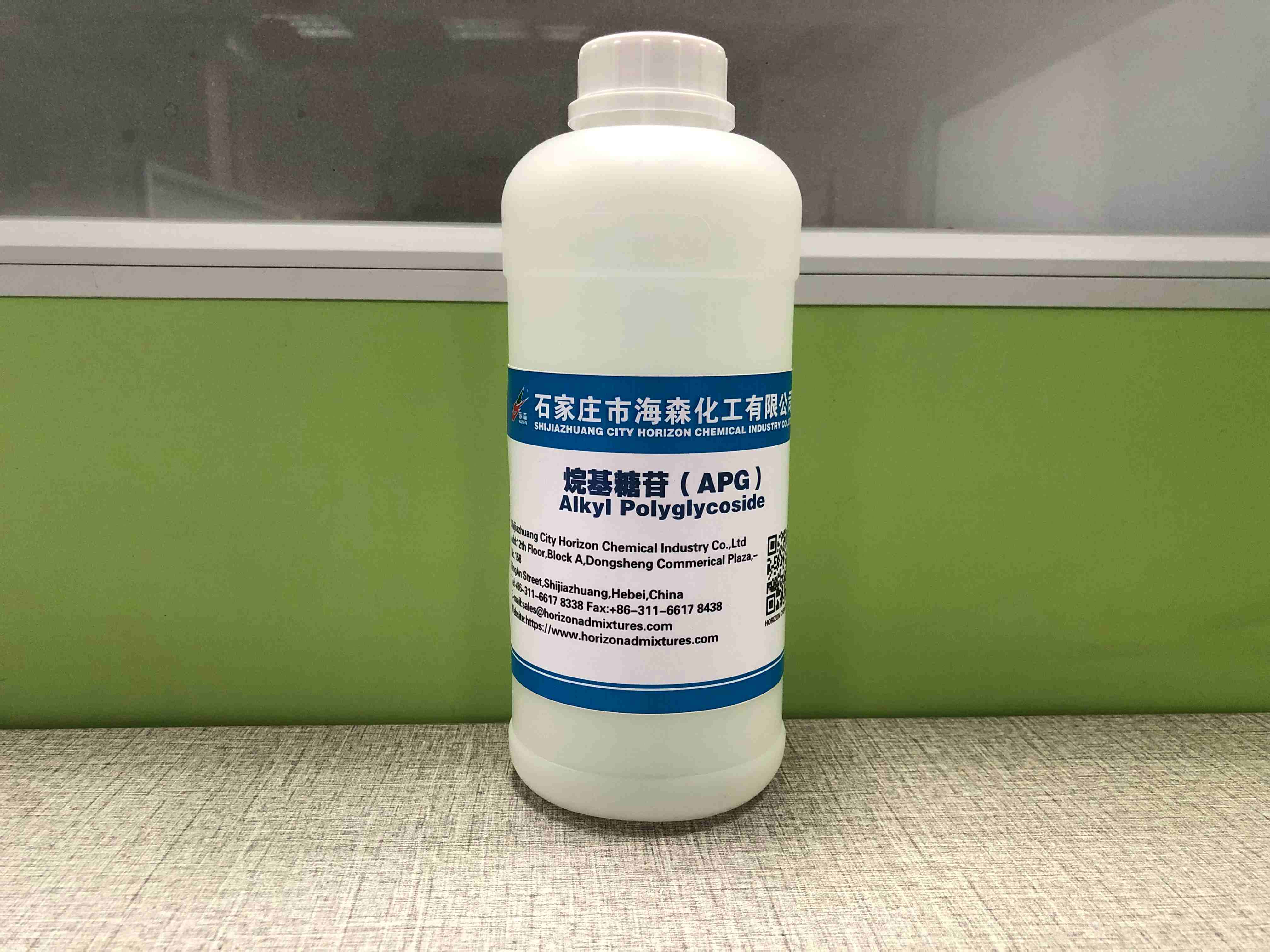
For years, the satisfying foam of a good shampoo or body wash was almost synonymous with a deep clean. That rich, bubbly lather came from harsh surfactants like sodium lauryl sulfate, which strip away oils and dirt aggressively. But consumers are starting to realize that a thick foam doesn't necessarily mean a product is working better—in fact, it often signals a formula that's too harsh, leaving skin tight, scalp irritated, and hair stripped of its natural moisture. The shift away from these ingredients isn't about sacrificing cleanliness; it's about understanding that gentler alternatives can cleanse just as effectively without the collateral damage.
This change in preference is also being driven by a wider awareness of ingredient labels. People are reading more carefully, recognizing that sulfates and similar detergents can disrupt the skin barrier and exacerbate conditions like eczema or dryness. As a result, brands are reformulating with milder, plant-based surfactants that produce a creamier, softer lather—or sometimes very little foam at all. While it takes time to adjust to a low-foaming cleanser, the payoff is skin that feels calmer and hair that retains its natural shine, proving that the effectiveness of a surfactant isn't measured by the size of its bubbles.
Beyond personal comfort, there's also a growing understanding that what washes down our drains affects the environment. Harsh surfactants can be slower to biodegrade and may carry a larger ecological footprint. This has prompted an industry-wide pivot toward formulas that are not only kinder to human bodies but also to waterways. The lather is disappearing, but what's replacing it is a smarter, more responsible approach to cleansing—one that values skin health and sustainability over superficial suds.
Private Label APG: Your Shortcut to a Standout Product
Building a unique product usually means months of development, heavy investment, and no guarantee the market will care. Private label APG flips that script by giving you access to proven formulas and packaging frameworks that you can tailor to your brand in weeks, not years. It’s the difference between starting from a blank page and walking into a well-stocked workshop where the essentials are already in place—you just decide the finish, the flair, and the story you want to tell.
What makes this route especially powerful is the blend of speed and control. You’re not simply slapping your logo on a generic item; you’re choosing from curated base products that already meet rigorous performance and safety standards, then adjusting scent profiles, textures, active ingredient levels, and packaging design to match your audience’s tastes. Because the foundational R&D is done, your energy goes into differentiation—think bespoke unboxing experiences, targeted claims, and visual identities that feel intentionally crafted rather than off-the-shelf.
The brands that win with private label APG are the ones that treat it as a launchpad, not a finish line. They layer on thoughtful details—like a signature applicator, a complementary accessory, or storytelling that ties the product into a larger lifestyle—so the end result doesn’t read as “private label” at all. Customers just see a cohesive, desirable item that solves their problem, and you get the kind of standout product that builds loyalty without reinventing the wheel.
Crafting a Formula That Customers Trust
Trust starts with radical transparency. We don't just list ingredients—we explain why each one made the cut, where it came from, and how it works in your body. Our formulation lead, Dr. Elena Marchetti, often shares stories from the lab: like the time they trialed a botanical extract that looked perfect on paper but failed to meet our bioavailability standards. So they went back to square one, eventually sourcing from a family-run farm in Provence that sun-dries the herbs by hand. That level of detail isn't marketing fluff; it's our way of handing you the same information we'd give a friend over coffee.
Consistency is the quiet backbone of trust. Every batch we produce undergoes third-party analytics before it leaves the facility, not because regulations demand it, but because our customers told us they wanted proof, not promises. We publish those results openly, even when the numbers aren't picture-perfect. Once, a slight color variation in a capsule triggered an internal investigation—turned out the turmeric harvest was simply more abundant that year. We still noted it publicly. Small moments like that remind people we're not hiding behind a glossy label. Trust isn't built with slogans; it's built in the moments when you choose to be honest, even when it's easier not to be.
From Farm to Foam: Tracing Your Ingredients
Every pour starts long before the brew kettle fires up — it begins in the soil. Our brewers don't just order malt by the pallet; they know the barley growers by name and the exact fields where heritage grains were coaxed from the earth. That connection isn't a luxury, it's the heartbeat of a liquid that can't tell a lie. From the mineral tang of artesian well water to the hop cones hand-picked on small family farms, each raw material carries a provenance you can almost taste.
Take Cascade hops, for instance — we can trace them back to a single valley in Yakima where morning dew still clings to the bines at harvest. Or the wild yeast strain we captured on a foggy autumn morning beneath a coastal redwood. These aren't just ingredients; they're ephemeral snapshots of a place and season, preserved in a glass. When the bubbles rise and form a crown of foam, you're seeing the culmination of a season’s labor, the weather patterns of a specific year, and the decisions of people who treat agriculture as art.
That’s why we publish harvest dates and grower interviews right on the label. Knowing the hands that worked the soil and the exact orchard where your cider apples ripened turns drinking into storytelling. It closes the loop between the farm gate and your mouth, making every sip a little more deliberate — and a lot more memorable.
Performance Without Compromise: The APG Promise
We built APG on a simple belief: you shouldn’t have to choose between raw power and real-world efficiency. Most systems force a trade-off—crank up performance and watch your resource usage spike, or throttle back and accept sluggish results. APG breaks that mold entirely. Our architecture rethinks how compute and data move together, squeezing every drop of speed from the hardware without wasteful overhead.
What truly sets APG apart is the way it adapts. Instead of a one-size-fits-all approach, it learns your workloads and adjusts on the fly. Peak demand? No problem—scaling happens in the background, transparent and silent. Idle periods? Resources scale back automatically, so you’re never paying for what you don’t use. The result is a system that feels custom-built, even though it’s running on the same infrastructure you already trust.
This isn’t just about benchmarks. It’s about the confidence that comes from knowing your critical applications will deliver, every single time, without ballooning costs or late-night capacity panics. APG gives you that quiet assurance—performance you can rely on, paired with an efficiency that keeps your finance team just as happy as your engineers.
FAQ
Alkyl polyglycosides, or APGs, are mild cleansing agents crafted from renewable plant-based materials like corn starch or coconut oil and glucose. They're prized as natural surfactants because their entire lifecycle—from raw plant sources to biodegradation—aligns with eco-conscious principles, breaking down readily without harming aquatic ecosystems.
Offering a private label APG cleanser lets you bypass the 'clean beauty' noise with a genuinely gentle, high-performance formula. Unlike conventional surfactant blends that can strip skin, APGs deliver a creamy lather and leave the skin barrier intact, giving your customers a sensory experience that builds loyalty and sets your line apart.
Absolutely. Their large molecular structure doesn't penetrate deeply, which dramatically reduces irritation potential. They clean effectively while being so mild that they're frequently chosen for eczema-prone skin, infant washes, and even no-rinse formulations where safety is paramount.
APGs produce a dense, cushiony foam that feels luxurious without the tight, over-stripped after-feel. They also excel at solubilizing oils and fragrances, so your formula stays crystal-clear and stable over time. Plus, they work beautifully in hard water, unlike many soap-based alternatives.
Definitely. With a private label partnership, you can tailor everything from viscosity and scent profile to the addition of complementary botanical extracts. Whether you envision a crystal-clear gel, a pearlescent lotion, or a fragrance-free concentrate, an APG base gives your formulator extraordinary flexibility.
Their plant-derived origin and complete biodegradability back up sustainability claims with data, not just marketing. You can confidently share a story of ethical sourcing—often from non-food feedstocks—and position your brand as a steward of both customer wellness and planetary health, which resonates deeply with today's mindful shoppers.
Seek a partner who provides full transparency on the APG grade (like C8-C16 chain lengths for optimal mildness) and who offers preservative system options that maintain the formula's natural profile. Batch-level purity testing, support for organic certifications, and the ability to run small trial batches are all signals of a quality-focused manufacturer invested in your success.
Conclusion
The growing demand for gentle yet effective cleansing is reshaping the personal care landscape, and at the heart of this shift lies a deeper understanding of how plant-based chemistry works. Alkyl polyglycosides (APGs) harness sugars and fatty alcohols from renewable sources like corn and coconut, creating a surfactant that cleanses through a uniquely mild mechanism. Unlike harsh sulfates that strip the skin’s natural barrier and leave surfaces feeling tight or irritated, APGs form a light, non-disruptive lather that respects the skin’s microbiome. This gentle action doesn’t sacrifice performance—it simply redefines it. Consumers are waking up to the drawbacks of aggressive foaming agents, associating them with dryness and long-term skin stress rather than real cleanliness. As a result, formulas centered on plant-powered ingredients are not just a trend; they represent a fundamental change in what shoppers expect from their everyday products. Private label brands now have a rare chance to lead this movement by offering something that feels both premium and consciously crafted.
Taking a private label APG product from concept to shelf is a strategic leap, not a drawn-out development challenge. By partnering with experienced manufacturers, you skip the complexity of in-house R&D and still gain full access to customizable, high-performance bases that can be tailored to your brand’s identity. The key to building trust lies in transparency: tracing ingredients back to their agricultural origins reassures customers that what they’re using is responsibly sourced and genuinely natural. When a formulation pairs this traceability with a sensory experience that rivals traditional cleansers—creamy foam, satisfying texture, and a clean rinse—it turns skeptics into loyal advocates. The APG promise is about delivering uncompromised results while embracing a softer footprint. For a private label brand, it’s a story that’s easy to tell and even easier for consumers to embrace, because it aligns with a desire for products that work beautifully without hidden trade-offs.
Contact Us
Contact Person: Sam Lee
Email: [email protected]
Tel/WhatsApp: 86-311-6617 8338
Website: https://www.horizonadmixtures.com/