

Precision Steel Manufacturing: Innovative Techniques for Superior Quality
2026-03-22
In the world of steel manufacturing, precision is more than just a goal—it's the cornerstone of innovation and excellence. As industries demand higher standards for quality and durability, advanced techniques are reshaping how steel is produced, from forging to finishing. At Shunchen Steel, we're at the forefront of this transformation, leveraging cutting-edge methods to craft superior steel that meets the toughest challenges. In this blog, we'll dive into the innovative approaches driving quality forward, exploring how precision engineering is setting new benchmarks in steel manufacturing. Stay tuned to learn how these techniques can benefit your projects and elevate your expectations.
Advanced Metallurgy for Enhanced Material Properties
For centuries, metallurgy has centered on refining processes like smelting and forging, but recent years have seen a shift toward advanced techniques that push materials beyond traditional limits. By manipulating microstructures at the atomic or nanoscale, these methods enable metals to achieve unprecedented strength-to-weight ratios, corrosion resistance, and thermal stability. For example, additive manufacturing allows for precise control over grain boundaries, reducing defects and enhancing durability in aerospace and medical implants.
A key innovation lies in alloy design, where computational modeling predicts how elements like titanium or nickel will interact under extreme conditions. This predictive capability reduces trial-and-error, leading to materials that can withstand high temperatures in jet engines or resist wear in industrial machinery. Additionally, processes such as severe plastic deformation refine grains to nanometer sizes, boosting hardness without compromising toughness, which is crucial for automotive safety components.
Beyond mechanical enhancements, advanced metallurgy also focuses on functional properties, such as shape-memory alloys that return to original forms after deformation, useful in robotics and biomedical devices. By integrating these cutting-edge approaches, industries are not just improving existing materials but creating entirely new ones tailored for specific applications, driving progress in sectors from energy to consumer electronics.
Laser Cutting and Its Impact on Precision Engineering
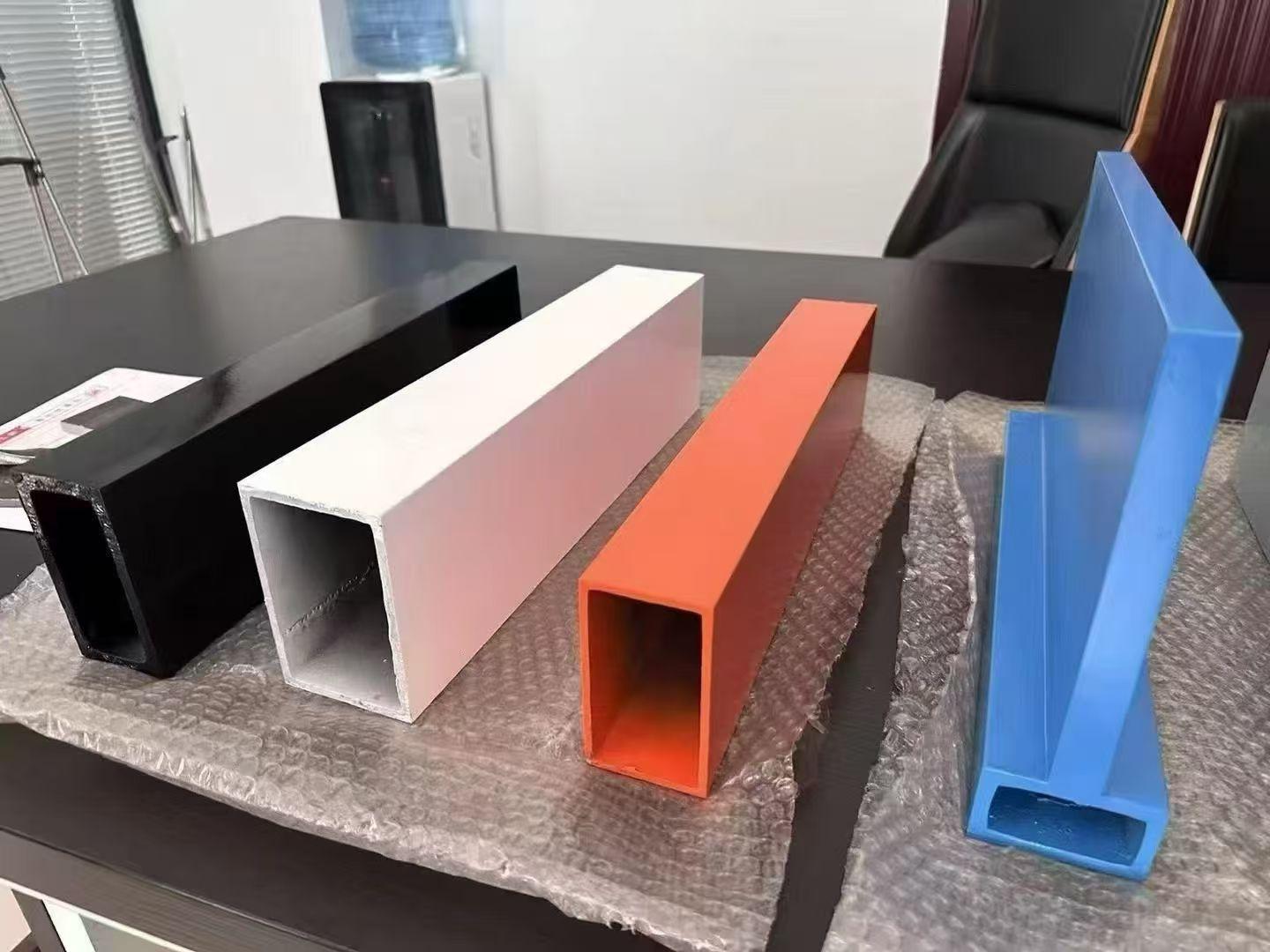
Laser cutting, a cutting-edge technology, uses a focused beam of light to slice through materials with remarkable accuracy. It transforms precision engineering by enabling intricate designs and tight tolerances that were once challenging or impossible with traditional methods. This process reduces material waste and enhances efficiency, making it a game-changer in industries like aerospace and medical devices.
The impact extends beyond just cutting; laser technology allows for non-contact processing, minimizing tool wear and contamination risks. It supports rapid prototyping and customization, accelerating innovation cycles in sectors such as automotive and electronics. By integrating computer-aided designs, it ensures repeatable high precision, pushing the boundaries of what's achievable in modern manufacturing.
As laser systems evolve with features like real-time monitoring and AI-driven adjustments, they're setting new standards for reliability and scalability. This not only boosts productivity but also fosters sustainable practices by optimizing energy use. Ultimately, laser cutting is reshaping precision engineering into a more agile and creative field, driving advancements across various applications.
AI-Driven Quality Control in Steel Production
In the steelmaking industry, quality control is crucial for ensuring product reliability and meeting stringent industrial standards. AI-driven approaches have revolutionized this process by integrating real-time data analytics with automated systems. By leveraging machine learning algorithms, manufacturers can now predict defects before they become visible, allowing for immediate adjustments in production parameters. This not only reduces waste but also enhances the overall consistency of steel grades, leading to improved durability and performance in end-use applications.
Beyond prediction, AI systems facilitate a deeper analysis of production variables, such as temperature fluctuations and chemical compositions. These insights enable operators to fine-tune their processes with unprecedented precision, moving away from traditional manual checks that are prone to human error. As a result, steel plants can achieve higher throughput rates while maintaining or even elevating quality benchmarks, giving them a competitive edge in a global market that demands both speed and excellence.
The integration of AI into quality control also fosters continuous improvement through feedback loops. By collecting and analyzing data over time, these systems learn and adapt, identifying patterns that might elude conventional methods. This adaptive capability ensures that steel production remains agile and responsive to evolving industry needs, ultimately contributing to safer infrastructures and more sustainable manufacturing practices as operational efficiencies are maximized.
Sustainable Practices for Eco-Friendly Manufacturing
Eco-friendly manufacturing goes beyond recycling bins and energy-efficient lighting—it's about weaving sustainability into every thread of production. At its heart lies a shift from the linear 'take-make-dispose' model to a circular economy, where materials are continuously reused and waste is minimized. This involves designing products for longevity and easy disassembly, selecting biodegradable or recycled inputs, and tapping into renewable energy sources like solar or wind. For instance, companies are increasingly adopting closed-loop systems that turn manufacturing byproducts into new raw materials, drastically cutting down on landfill contributions.
Water and energy management are crucial pillars in sustainable manufacturing. By implementing advanced technologies such as smart sensors and AI-driven analytics, factories can optimize resource consumption in real-time, reducing waste and lowering operational costs. Techniques like rainwater harvesting and wastewater treatment not only conserve precious water but also prevent pollution of local ecosystems. Moreover, transitioning to green energy not only slashes carbon emissions but can also enhance a brand's reputation among environmentally conscious consumers, creating a competitive edge in crowded markets.
Worker well-being and community engagement often get overlooked, but they're integral to genuine sustainability. Ethical labor practices, safe working conditions, and fair wages ensure that eco-friendly efforts don't come at human cost. Collaborating with local communities on environmental initiatives, such as tree-planting drives or clean-up projects, fosters trust and strengthens social ties. Ultimately, sustainable manufacturing isn't just a checklist; it's a holistic approach that balances ecological health, economic viability, and social responsibility, paving the way for a healthier planet and more resilient businesses.
Custom Alloy Development for Specific Industry Needs
Tailoring alloys to meet distinct industry requirements involves a nuanced approach where metallurgists collaborate closely with engineers to design materials with precise properties. For instance, in the aerospace sector, this might mean developing lightweight yet high-strength alloys that withstand extreme temperatures, while in medical implants, the focus shifts to biocompatibility and corrosion resistance. This process often starts with analyzing operational environments—like stress factors, exposure to chemicals, or thermal cycles—to pinpoint gaps in existing materials. By tweaking compositions, such as adjusting nickel or titanium ratios, teams can create alloys that not only perform better but also extend product lifespans, reducing maintenance costs and downtime for businesses.
Beyond basic performance metrics, custom alloy development digs into sustainability and efficiency, setting it apart from off-the-shelf options. In industries like renewable energy, for example, alloys might be engineered for superior conductivity in solar panels or durability in wind turbines exposed to harsh weather. This bespoke process often leverages advanced techniques like additive manufacturing or computational modeling to prototype quickly, allowing for iterative testing that refines properties like ductility or fatigue resistance. The result is materials that aren't just functional but also optimized for specific manufacturing processes, helping companies innovate faster and stay competitive in niche markets.
What makes this approach standout is its adaptability to evolving challenges, such as shifting regulatory standards or new technological demands. By fostering partnerships between research labs and industry players, custom alloys can be continuously refined—like developing lead-free alternatives in electronics or alloys that resist degradation in marine environments. This dynamic collaboration ensures materials are future-proof, offering long-term value through improved safety, reduced environmental impact, and enhanced performance that generic alloys simply can't match.
Real-Time Monitoring Systems for Process Optimization
In today's fast-paced industrial landscapes, real-time monitoring systems have become indispensable tools for driving process optimization. These systems continuously collect and analyze data from sensors and equipment across various stages of production, enabling operators to detect anomalies or inefficiencies as they occur. By leveraging advanced technologies like IoT connectivity and cloud-based analytics, companies can transform raw data into actionable insights, reducing downtime and enhancing overall operational agility.
What sets these systems apart is their ability to adapt dynamically to changing conditions. Unlike traditional monitoring methods that rely on periodic checks, real-time solutions offer a constant pulse on performance metrics, allowing for immediate adjustments. This proactive approach not only minimizes waste but also supports predictive maintenance, where potential issues are flagged before they escalate into costly failures, ultimately boosting reliability and extending equipment lifespan.
Moreover, the integration of machine learning algorithms further elevates the impact of real-time monitoring. By learning from historical and ongoing data patterns, these systems can suggest optimal process parameters or even automate certain decisions, leading to more consistent output quality. This continuous feedback loop fosters a culture of improvement, where each cycle of data fuels smarter strategies for efficiency gains, making it a cornerstone for competitive advantage in sectors like manufacturing, energy, and logistics.
FAQ
Precision steel manufacturing employs advanced techniques like computer-controlled processes and real-time monitoring, ensuring tighter tolerances and fewer defects compared to conventional methods, which often rely on manual adjustments and can lead to inconsistencies.
Innovations such as AI-driven analytics, automated quality control systems, and laser cutting technologies enable precise material handling, reduce human error, and optimize production for enhanced durability and performance in final steel products.
One key technique is micro-alloying, where trace elements are added to the steel during production to refine grain structure, increasing tensile strength and resistance to corrosion without significantly adding weight.
Modern practices integrate sustainability through energy-efficient processes, recycling scrap steel, and using eco-friendly coatings, reducing environmental impact while maintaining high quality and meeting regulatory standards.
They implement rigorous quality assurance protocols, including automated inspections, statistical process control, and regular calibration of equipment, to maintain uniform properties and dimensions throughout mass production.
Emerging trends include the adoption of 3D printing for custom steel components, the use of smart sensors for predictive maintenance, and advancements in nanotechnology for creating ultra-fine steel alloys with superior properties.
By tailoring production techniques—like heat treatment for automotive parts requiring high wear resistance or alloy composition adjustments for construction materials needing enhanced load-bearing capacity—manufacturers deliver specialized solutions that meet exact industry specifications.
Conclusion
Precision Steel Manufacturing: Innovative Techniques for Superior Quality explores cutting-edge advancements that redefine industry standards. The chapter delves into advanced metallurgy, which tailors material properties for enhanced strength and durability, while custom alloy development addresses specific needs across sectors like aerospace and automotive. Laser cutting emerges as a pivotal tool, enabling intricate designs and boosting precision engineering. Simultaneously, real-time monitoring systems optimize processes through data-driven insights, ensuring consistency and efficiency. These techniques collectively elevate product quality, demonstrating how technological integration drives superior outcomes in modern steel production.
Contact Us
Contact Person: Max Zhou
Email: [email protected]
Tel/WhatsApp: +86 15712216177
Website: https://www.shunchensteelmaterial.com/