

Polymer Insulator OEM Solutions: Enhancing Electrical Infrastructure
2026-01-19
In today's rapidly evolving electrical landscape, the reliability of our infrastructure hinges on innovative solutions that can withstand the harshest conditions while ensuring optimal performance. When it comes to polymer insulators, the quest for durability, efficiency, and adaptability has never been more critical. Imagine a world where power distribution systems are not just functional but resilient, minimizing downtime and maximizing safety across diverse environments. At Lugao, we specialize in Polymer Insulator OEM solutions that are redefining industry standards, offering tailored designs to enhance electrical networks globally. This blog delves into how these advanced components can transform your infrastructure, sparking curiosity about the future of energy transmission and the role bespoke engineering plays in powering our world. Stay tuned as we explore the cutting-edge technologies and practical applications driving this essential sector forward.
Custom Designs for Tailored Insulator Performance
In high-voltage applications, insulators are more than just barriers against electrical currents; they're critical components that determine system reliability and safety. When it comes to custom designs, it's all about crafting solutions that fit the specific demands of a project. Whether you're dealing with extreme weather conditions, unique mechanical stresses, or space constraints, a tailored insulator can make all the difference. By focusing on materials like advanced ceramics or polymers, and optimizing shapes for better performance, you get a product that not only meets standards but also enhances overall efficiency, reducing downtime and maintenance costs in the long run.
What sets customized insulators apart is their ability to address niche challenges that off-the-shelf options might miss. Picture a scenario where an electrical grid needs to withstand coastal salt spray or heavy industrial pollution. Generic insulators could degrade quickly, but a bespoke design can incorporate hydrophobic coatings or reinforced structural elements to combat corrosion and contamination. This proactive approach ensures longevity and stability, giving engineers peace of mind in environments where every detail counts. It's about anticipating real-world issues and building resilience from the ground up, rather than settling for one-size-fits-all solutions.
Beyond technical specs, custom designs often lead to innovative breakthroughs in the insulator industry. By collaborating closely with clients, manufacturers can experiment with novel geometries or composite materials that push the boundaries of performance. For instance, a lightweight, sleek insulator might be developed for a new renewable energy project, optimizing power flow while blending seamlessly into modern infrastructure. This iterative process fosters creativity and drives progress, ensuring that tailored insulators don't just meet today's needs but are ready for tomorrow's challenges, all while emphasizing durability and user-centric benefits without relying on buzzwords.
Innovative Materials Boost Durability and Efficiency
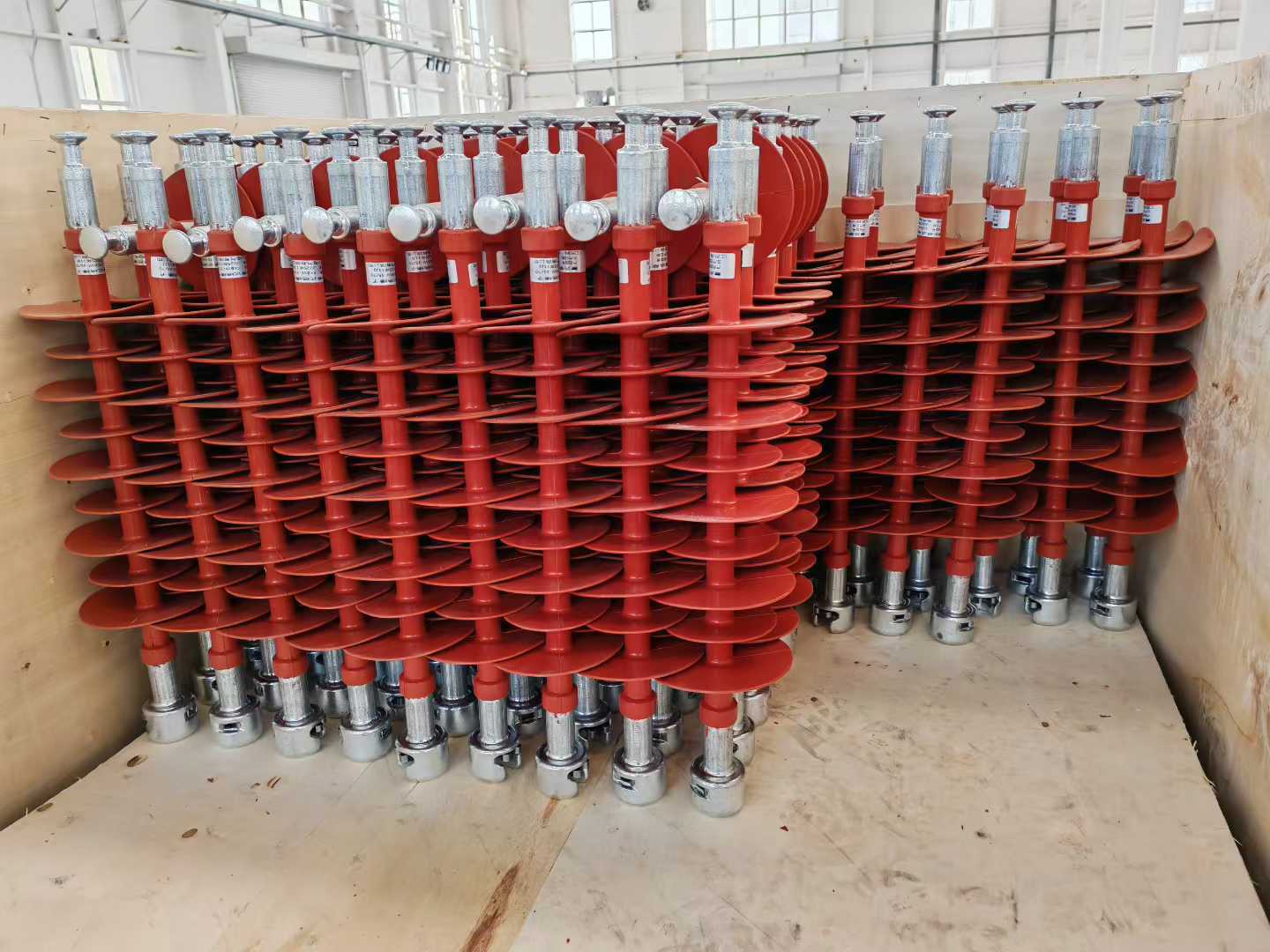
In recent years, advances in material science have revolutionized how we approach durability and efficiency across various industries. New composites and alloys, such as graphene-enhanced polymers and self-healing concrete, demonstrate remarkable resilience against wear and environmental stressors. These innovations not only extend product lifespans but also reduce maintenance costs, contributing to more sustainable and cost-effective solutions that outperform traditional alternatives.
Beyond durability, materials like aerogels and phase-change substances optimize energy efficiency in applications from construction to electronics. For instance, aerogels provide exceptional insulation with minimal thickness, slashing heating and cooling demands in buildings. Meanwhile, nanomaterials in batteries enhance energy storage capacity and charge rates, making electric vehicles and renewable energy systems more viable and reliable for everyday use.
The synergy between durability and efficiency is further highlighted in sectors like aerospace and automotive, where lightweight, high-strength materials like carbon fiber composites are key. By cutting weight without compromising strength, these innovations improve fuel efficiency and performance, while their robust nature ensures longevity under extreme conditions. This dual benefit is reshaping design standards, pushing industries toward smarter, greener innovations that meet modern demands.
Seamless Integration into Modern Electrical Grids
In an era where renewable energy is rapidly expanding, seamless integration into modern electrical grids has become a cornerstone of sustainable power systems. Unlike the rigid, centralized grids of the past, today's smart grids are designed to adapt and respond dynamically to fluctuating energy inputs from solar panels, wind turbines, and other distributed sources. This integration ensures that electricity flows efficiently and reliably, minimizing waste and enhancing grid resilience against outages or sudden changes in demand. By leveraging advanced technologies like real-time monitoring and predictive analytics, utilities can balance supply and demand more effectively, creating a smoother transition from traditional fossil fuels to cleaner alternatives.
One of the key factors driving seamless integration is the development of robust communication networks and control systems within modern grids. These systems enable two-way interactions between power generators, consumers, and grid operators, allowing for real-time adjustments based on weather conditions, energy storage levels, or shifting consumption patterns. For instance, during peak sunlight hours, excess solar energy can be redirected to energy storage units or shared across the grid, preventing overloads and maximizing utilization. This collaborative approach not only supports intermittent renewables but also empowers consumers with tools like smart meters to participate in energy management, fostering a more engaged and efficient ecosystem.
Looking ahead, seamless integration is poised to revolutionize how we think about energy distribution, moving beyond mere connectivity to a fully interactive and responsive grid. Innovations such as vehicle-to-grid (V2G) technology and microgrids are expanding integration possibilities, allowing electric vehicles and localized networks to feed power back into the main grid during shortages. This creates a symbiotic relationship where every component, from large-scale wind farms to home-based batteries, contributes to overall stability. As grids evolve, this integration will likely become even more ingrained, supporting diverse energy sources while maintaining the reliability that modern societies depend on, ultimately paving the way for a greener and more resilient energy future.
Partnering with OEMs for Reliable Infrastructure Solutions
In today's fast-paced technological landscape, partnering with Original Equipment Manufacturers (OEMs) has become a cornerstone of delivering robust infrastructure solutions. By collaborating with OEMs, companies gain direct access to specialized hardware and software expertise, enabling them to design and implement systems that are tailored to specific operational needs. This synergy not only enhances reliability but also ensures that infrastructure components are built with the quality and support that only manufacturers can provide.
What sets these partnerships apart is the ability to co-create solutions that address unique challenges, from data center scalability to network security. By working hand-in-hand with OEMs, businesses can leverage cutting-edge innovations and receive timely updates, reducing downtime and boosting overall efficiency. This collaborative approach often results in more resilient systems that adapt to evolving demands, making it a key strategy for organizations aiming to stay ahead in a competitive market.
Moreover, such alliances foster a deeper integration of technologies, allowing for seamless compatibility across various platforms. By building on OEM partnerships, companies can ensure their infrastructure is not only dependable but also future-proof, ready to support growth without compromising on performance or stability.
Advanced Manufacturing Techniques for Superior Quality
In today's competitive industrial landscape, advanced manufacturing techniques serve as the cornerstone for achieving superior quality in production. These methods go beyond traditional approaches by integrating cutting-edge technologies such as artificial intelligence, robotics, and data analytics to optimize every stage of the manufacturing process. By leveraging real-time monitoring and predictive maintenance, companies can minimize defects, enhance precision, and ensure consistent output that meets stringent quality standards. This not only boosts product reliability but also reduces waste and operational costs, fostering a sustainable and efficient manufacturing environment.
One standout aspect of these techniques is their ability to customize production at scale, allowing for the creation of high-quality products tailored to specific customer needs without compromising on speed or cost-effectiveness. Through adaptive systems and flexible automation, manufacturers can swiftly adjust to market demands, maintain tight tolerances, and deliver items with exceptional durability and performance. This adaptability is key in industries like aerospace and medical devices, where quality can be a matter of safety and reliability, setting top-tier operations apart from their competitors.
Moreover, the integration of advanced methods often involves collaborative ecosystems where suppliers, engineers, and quality assurance teams work in synergy to refine processes continuously. By fostering a culture of innovation and continuous improvement, organizations can push the boundaries of what's possible in manufacturing, resulting in products that not only meet but exceed expectations for quality and longevity. This holistic approach ensures that superior quality becomes an inherent trait of the manufacturing output, driving customer satisfaction and long-term business success.
Future-Proofing Networks with Sustainable Insulator Technology
As digital infrastructure expands, network reliability becomes critical, yet traditional insulators face challenges like environmental degradation and high maintenance. Sustainable insulator technology offers a game-changing approach by integrating eco-friendly materials, such as recycled or biodegradable composites, which not only withstand harsh conditions but also reduce carbon footprints. By addressing longevity and adaptability, these innovations ensure that networks remain resilient and efficient over decades, even as climate pressures and technological demands evolve.
Beyond material advancements, sustainable insulators incorporate smart features like embedded sensors and self-healing coatings, enabling real-time monitoring for issues like moisture intrusion or wear, thus minimizing downtime and maintenance costs. This proactive maintenance aligns with circular economy principles, as components can often be repurposed, fostering a greener lifecycle from production to disposal. By blending durability with intelligent design, such technologies help networks stay ahead of emerging challenges, from extreme weather events to increased energy consumption.
This shift is not just about technical specs—it's a strategic move to future-proof networks, ensuring they can handle growing data loads while minimizing environmental impact. By embracing sustainable insulators, industries can build infrastructure that's both robust and responsible, paving the way for smarter, more resilient networks that support global connectivity without compromising the planet's health.
FAQ
Polymer insulators are advanced components made from composite materials like silicone rubber or ethylene propylene diene monomer, used to support and insulate electrical conductors, offering benefits like lighter weight, corrosion resistance, and better performance in polluted environments compared to traditional ceramic insulators.
OEM solutions provide tailored designs for polymer insulators, integrating them seamlessly into existing infrastructure to improve reliability, reduce maintenance costs, and withstand harsh weather conditions, thus boosting overall electrical grid efficiency and longevity.
Polymer insulators feature hydrophobic surfaces that repel water and contaminants, preventing flashovers, and utilize materials resistant to UV radiation and chemical degradation, leading to a longer service life and lower replacement rates in demanding applications.
Yes, OEMs offer customization in terms of size, voltage ratings, and material composition, allowing for precise adaptation to various environmental and electrical requirements, such as high-voltage transmission lines or coastal areas with high salt content.
Key advantages include enhanced safety due to reduced risk of shattering, improved performance in wet or contaminated conditions, lower installation costs from their lightweight design, and environmental sustainability through reduced material usage and longer lifespan.
By providing superior insulation and mechanical strength, polymer insulators help prevent power outages from weather events like storms or ice buildup, supporting more robust and adaptable electrical networks that can handle increasing energy demands.
Innovations include the development of nano-enhanced materials for better durability, smart insulators with integrated sensors for real-time monitoring, and eco-friendly composites that reduce environmental impact while maintaining high electrical performance.
Conclusion
Polymer insulator OEM solutions play a crucial role in enhancing electrical infrastructure by offering custom designs that ensure tailored insulator performance. By collaborating closely with OEM partners, these solutions provide reliable infrastructure that integrates seamlessly into modern electrical grids. The use of innovative materials significantly boosts both durability and efficiency, enabling insulators to withstand harsh environmental conditions while maintaining optimal functionality. This approach not only supports current grid demands but also lays a foundation for sustainable and adaptable systems.
Advanced manufacturing techniques contribute to superior quality, ensuring that each insulator meets high standards of reliability and longevity. Furthermore, the emphasis on sustainable insulator technology helps in future-proofing networks, making them resilient to evolving energy needs and environmental challenges. By combining these elements—from custom designs and material innovation to seamless integration and strategic partnerships—polymer insulator OEM solutions deliver robust, efficient, and forward-thinking enhancements to electrical infrastructure worldwide, driving progress in energy distribution and grid stability.
Contact Us
Contact Person: Doreen
Email: [email protected]
Tel/WhatsApp: 8618057712366
Website: https://www.liugaopower.com/