

ODM Snorkel Mask Essentials for a Better Snorkeling Experience
2026-09-10
You’ve seen the photos: crystal-clear water, vibrant reefs, and a swimmer gliding effortlessly without ever lifting their head for air. That effortless glide comes down to one often-overlooked detail—the mask. A foggy lens or a stiff jaw can turn a dream snorkel session into a frustrating fight. Here’s where the right ODM snorkel mask changes everything, and that’s exactly what we’re unpacking. From sealed comfort to a wide view, these essentials separate a mediocre swim from one you’ll replay in your mind for weeks. If you think all masks are the same, OCORT is about to prove otherwise. Ready to see what actually matters before you book that next beach trip?
The Fit Test Most Snorkelers Skip
A mask can look flawless on the display rack and still leak the moment you float face-down. Most snorkelers find that out the hard way because they never do the one check that takes about twenty seconds.
Before you even touch a strap, press the mask gently against your face without pulling the band over your head. Inhale through your nose just enough to create a light suction, then let go of the mask with both hands. If it stays put for a few seconds and feels sealed around the skirt, that particular shape works for your bone structure. If it drops off, or you feel air sneaking in near the temples or under the nose, the mask is fighting your face.
A proper fit means you won’t need to keep adjusting, clearing, or clamping the frame down while you breathe through the snorkel. It also spares you that slow leak that turns a relaxed swim into a constant distraction.
Silicone vs. PVC: What Your Face Prefers
Most people don't think much about material until it's pressed against their cheek. Silicone tends to feel closer to skin—soft, slightly warm, and with a subtle give that doesn't tug at fine hairs. PVC, on the other hand, often has a slicker, more plasticky surface that can feel clammy after a few minutes. If your face is even a little sensitive, that difference stops being about preference and starts being about relief.
Odor matters more than you'd expect. Fresh PVC can carry a chemical smell that lingers, especially in enclosed spaces or after storage. Silicone is largely inert and stays neutral over time. For something that sits near your nose and mouth for long stretches, that's not a minor detail—it shapes whether you actually want to keep using it.
The real test is repeated contact. PVC can break down with oils, heat, and cleaning, becoming tacky or stiff. Silicone holds its texture and doesn't leach plasticizers, which is why many people who've tried both say their face made the decision for them. You notice it in the way your skin feels afterward—no tightness, no residue, just a material that quietly agrees with you.
Stop Fogging Before It Starts
Nobody enjoys a swim, ride, or work shift with vision slowly clouding over. Fog doesn't just appear—it builds from trapped warm air hitting a cooler lens. The usual fix is wiping, spitting, or buying disposable wipes that never last. That's backwards. Real prevention means changing the surface and airflow before moisture gets a chance to settle.
This lens gets treated with a dual-action anti-fog layer baked into the material, not sprayed on as an afterthought. Tiny micro-channels in the frame pull warm air away from your face and release it through hidden vents, keeping the temperature difference low. So instead of reacting to blur, you simply keep seeing clearly from the first minute to the last.
There's no need to stop mid-lap to dunk the goggles or rub the inside with your thumb. No more lifting the visor at a red light just to defog. The view stays crisp, even when you're breathing hard or moving between warm and cold spaces. Stop fighting fog. Stop it before it starts.
Glass Lenses or Plastic: The Real Difference
Glass lenses used to be the default choice because they resist scratches remarkably well and offer superior optical clarity. If you hold a glass lens next to a plastic one under bright light, the glass version often shows less chromatic aberration, especially at the edges. That said, glass is noticeably heavier on your face—after a few hours, the bridge of your nose will tell you the difference. It also shatters on hard impact, which makes it a poor candidate for sports or kids' eyewear.
Plastic lenses, by contrast, have come a long way from the thick slabs of the past. Modern materials like polycarbonate and Trivex are much lighter and far more impact-resistant than glass, which is why they dominate safety glasses and children's frames. The trade-off is that plastic scratches more easily without a hard coating, and lower-end plastics can introduce slight color fringing in high-contrast scenes. But for everyday wear, most people find plastic’s comfort and durability outweigh the marginal optical gains of glass.
The real difference often comes down to lifestyle rather than raw specs. If you work in a dusty workshop or tend to toss your glasses onto the nightstand, glass will hold up better against scratches but risks cracking. If you wear glasses all day, play sports, or have a strong prescription that thickens lenses, plastic’s lighter weight and higher impact threshold feel like a genuine upgrade. Neither is universally superior—it’s about matching the material to how you actually use your eyes.
Dry-Top Snorkels: Gimmick or Game Changer
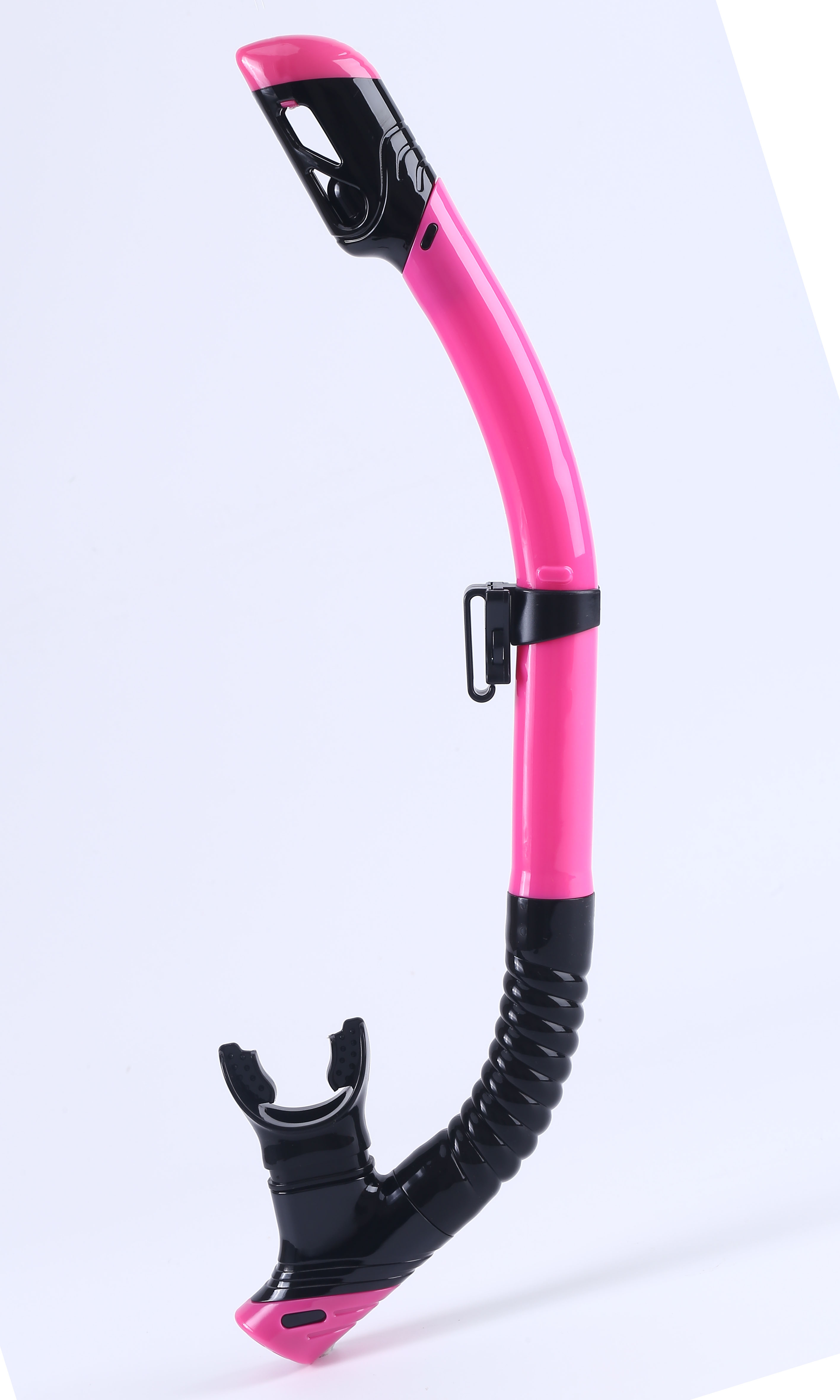
Dry-top snorkels promise a simple fix: keep water out of the breathing tube when a wave splashes over or you duck below the surface. The mechanism usually involves a float valve that seals the top opening when submerged, then reopens when you return to air. On paper, that solves one of the most annoying parts of snorkeling—choking on a surprise mouthful of seawater. Many casual snorkelers find the valve genuinely helpful, especially in choppy conditions or when learning to relax face-down without constantly clearing the tube.
Yet the dry-top design brings trade-offs that gear reviewers rarely mention. The valve chamber can trap a small pocket of air, adding slight buoyancy near your head and sometimes making a faint clicking noise with each breath. In tropical heat, salt crystals or sand can jam the float, turning your “dry” snorkel into a standard one—or worse, a restricted airway. Experienced snorkelers often prefer a simple open tube with a purge valve at the bottom, because it weighs less, costs less, and gives you direct feedback about water entry instead of hiding it behind a mechanism.
So is it a gimmick or a game changer? For beginners, rental gear, or anyone who hates the taste of the ocean, dry-top snorkels earn their keep. They lower the learning curve and make surface snorkeling closer to effortless breathing. For strong swimmers, free divers, or minimalists who value reliability over convenience, the added complexity feels unnecessary. The real answer depends on how you snorkel: if you stay near the surface and want comfort, buy dry-top; if you dive down or demand simplicity in rough environments, stick with a traditional tube and learn to clear it properly.
A Quick Rinse Goes a Long Way
Many people assume that a longer wash cycle automatically means cleaner dishes, but that's not always the case. A quick rinse setting on your dishwasher uses a short burst of water to remove loose food particles before a full cycle, preventing them from drying and sticking. This simple step can make a noticeable difference in how spotless your plates come out, especially if you don't run the machine every day.
Beyond the immediate benefit of avoiding crusted-on leftovers, a quick rinse also helps maintain your dishwasher's internal filters and spray arms. When large bits of food are rinsed away early, they don't accumulate in the drainage system, which can lead to unpleasant odors or reduced water pressure over time. It's a small habit that keeps the appliance running smoothly without extra scrubbing on your part.
Of course, you don't need to pre-wash everything by hand—that would waste water and defeat the purpose. Scrape off solid scraps, give plates a brief rinse under the tap, and let the dishwasher do the heavy lifting. You'll find that even an older machine can deliver surprisingly clean results when you give it a little head start.
FAQ
Focus on the skirt seal and frame fit. A mask with a soft silicone skirt that molds to your face is key. Try pressing the mask to your face without the strap; if it stays put with gentle inhale, it's a good sign. Also check that the frame sits evenly on your brow and upper lip.
It depends on your comfort and breathing style. Full-face masks let you breathe naturally through your nose and mouth, which can feel less claustrophobic for beginners. However, they can trap more heat and CO2 if not well designed, and they're bulkier to pack. Traditional masks with a separate snorkel offer more flexibility and a lower profile in the water.
Use a dedicated anti-fog gel or spray before each session, not saliva or toothpaste which can leave residue. Apply a small drop inside the lens, rub it around, then rinse briefly with seawater or fresh water. Avoid touching the inside of the lens afterward. If the mask is new, scrub the inner lens with a mild abrasive like toothpaste to remove the factory film, then rinse thoroughly.
Place the mask over your face without using the strap. Inhale gently through your nose. If the mask stays on your face for a few seconds without air leaking, the fit is likely good. Also check for pressure points on the bridge of your nose and under your nose. A mask that leaves red marks after a short try-on will only get worse in the water.
A purge valve at the bottom of the snorkel makes clearing water easier—just exhale sharply and water drains out. It's helpful for beginners or if you dive down frequently. However, a simple open-tube snorkel without a valve is lighter, less prone to sand jamming, and often cheaper. Both work fine if you practice clearing.
No, regular prescription glasses won't fit under a mask and will break the seal. Instead, look for masks with prescription lens options or use stick-on magnifying lenses that attach inside the mask. Some full-face masks also offer corrective lens inserts. Contact lenses are another option, but be cautious about losing them in the water.
Rinse the mask thoroughly with fresh water after every use, especially the strap and buckles where salt crystals can form. Let it air dry away from direct sunlight. Store it in a hard case or hang it so the skirt doesn't get crushed. Periodically check the silicone skirt for tears and the strap for elasticity loss.
Tempered glass lenses are much more resistant to scratches and less likely to shatter, making them the safer choice for visibility and durability. Plastic lenses are lighter and cheaper but prone to clouding and scratches. For any mask you plan to keep, choose tempered glass.
Conclusion
A mask that fits poorly ruins the entire snorkel before you even put your face in the water. Most people skip the simple suction test: press the mask to your face without the strap, inhale gently, and see if it stays put. If it drops, you're signing up for leaks and constant clearing. Silicone skirts beat PVC every time because they mold to your face, resist yellowing, and stay supple after dozens of saltwater sessions. And don't wait for fog to ruin the view—rub a drop of baby shampoo or dedicated defog on the inside lens, rinse once, and you're done. Nylon straps that are double-banded also matter more than people admit; they spread pressure so you're not yanking the mask tighter every five minutes and ending up with a headache.
Glass lenses scratch far less than plastic, and tempered glass means if you drop it on a boat deck, you're not fishing shards out of your gear bag. A dry-top snorkel isn't a gimmick if you're in chop or waves—the valve actually shuts out water when you go under, so you're not doing that hard blast-clear every time. After the session, the single most underrated habit is a quick freshwater rinse and a dry spot out of direct sun. Salt crystals and UV kill silicone faster than anything. These aren't fancy upgrades; they're the difference between a mask you fight for twenty minutes and one you forget you're wearing.
Contact Us
Contact Person: Wendy
Email: [email protected]
Tel/WhatsApp: 86 18807398467
Website: https://www.zlfswim.com