

Laser Cutting Machine Factory Insights for Precision Manufacturing Success
2026-09-28
Ask any precision manufacturer what separates a reliable laser cutting machine from a costly disappointment, and the answer rarely stops at specs alone. The real difference often traces back to the factory floor—how gantries are machined, how drive systems are tested under load, and how every machine is verified before it ships. Yet most buyers never get to see those details. That’s where HUNSONE takes a different approach: we open up the insights that matter, from frame stress-relief to laser alignment protocols, so you know exactly what’s behind the cutting quality. In this blog, we walk through the factory-level factors that drive long-term accuracy, uptime, and ultimately, your manufacturing success.
Where Precision Really Starts on the Factory Floor
Ask most people where precision begins, and they'll point to the CNC machine or the measuring lab. But spend a day walking the line, and you'll see it actually starts much earlier: in the tooling setup, the fixture clamping, the hand-tightened bolt that nobody thought to torque. The real origin of precision isn't a single machine—it's the accumulated discipline of small, repetitive decisions made by operators before the first chip ever falls.
On the floor, precision lives in the habits people don't write down. The way a veteran machinist wipes down a surface plate before every measurement, or how a line lead checks the ambient temperature before final inspection. These actions rarely show up in process documentation, yet they account for a surprising share of dimensional consistency. When those habits weaken—when people rush, or assume the equipment will catch their mistakes—tolerances drift, and you see it in the scrap bin long before the CMM flags a problem.
So the next time someone says a factory needs better machines to hit tighter tolerances, it's worth asking what's already happening at the floor level. Usually, the gap isn't in the hardware. It's in the unglamorous, hard-to-standardize work of teaching people to care about a few microns at the very start of the process.
Calibration Routines That Keep Laser Tolerance Tight
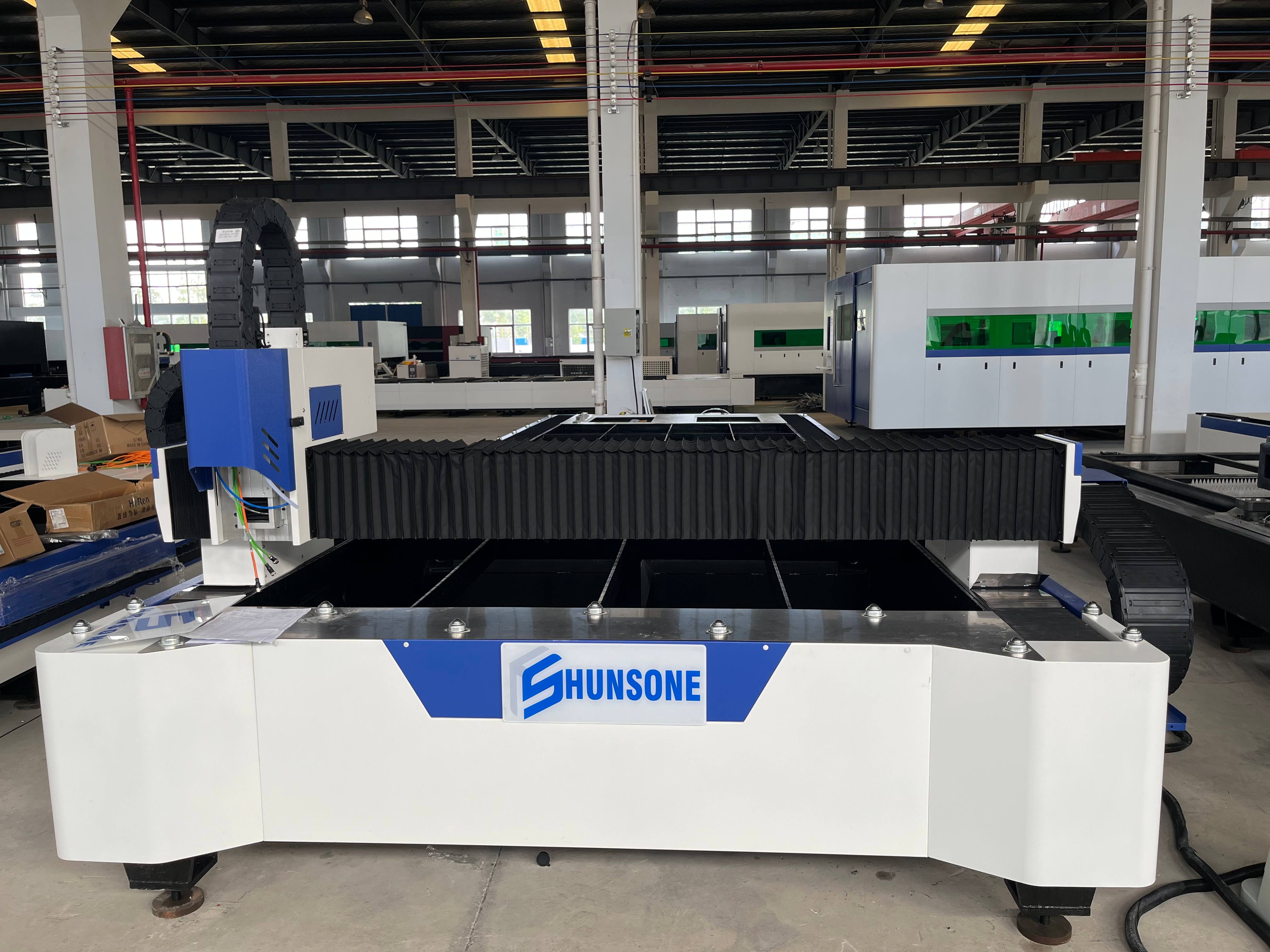
Every machine drifts. Temperature swings, coolant residue, and the slow wear of guide ways all push a laser's focal point off its mark. Tight tolerance work demands that you catch those shifts before they become scrap. That means building a calibration routine around the machine's actual behavior, not just the manual's suggestions.
Start with a warm-up cycle that mirrors real cutting conditions. Run the laser at the same power, speed, and gas pressure as the next job, then measure the beam's position at the nozzle. Use a calibrated target or a beam profiler, not a burn mark on tape—burn marks hide the beam's true center. Log the X and Y offset, the focal length drift, and the nozzle standoff. If the focal point moves more than 0.05 mm in any axis, stop and re-home the optics before cutting.
Make the check part of the shift change, not an afterthought. Write the numbers on a whiteboard next to the machine. When the same operator sees a trend over three days, they'll catch a failing lens or a slipping mirror mount before the tolerance stack up ruins a batch. It's boring, repetitive work—but that's exactly what keeps a ±0.02 mm cut from turning into a ±0.1 mm guess.
Reading Material Behavior Beyond the Data Sheet
Data sheets offer a snapshot, not the full story. A polymer's tensile strength listed at room temperature says little about how it behaves after months under cyclic load or in the presence of moisture. Real-world performance often diverges sharply from those tidy numbers, and engineers who rely solely on the spec sheet risk costly surprises down the line.
To truly understand a material, you need to observe how it responds to conditions the datasheet never tests. Consider an elastomer rated for a certain compression set — that figure comes from a controlled lab environment, yet in the field it might face temperature swings, chemical exposure, and continuous vibration all at once. The interactions between these stressors create behavior patterns that no single data point can capture.
Seasoned designers develop an intuition for this gap. They run their own tests, build prototypes, and keep a mental library of how specific materials drift from their published values under real loads. That hard-won knowledge is what separates a robust product from one that only works on paper.
Smart Automation Moves for Short-Run Laser Jobs
What actually changes the math for short-run laser work isn't a bigger machine or a faster cutting head—it's how little you have to touch a job between order and finished part. Many shops still treat a twenty-piece laser run like a manual setup exercise, loading sheets by hand, jogging the head to a corner, and double-checking focus with a scrap test. That's where the margin leaks out. The better move is to let the software do the remembering: store nozzle type, focal position, gas pressure, and even the last verified kerf width against a material and thickness, then call the whole package back with one part number. When the operator only needs to confirm stock is on the pallet and press start, a ten-minute setup becomes ninety seconds. That's not futuristic—it's just a database and a willingness to trust it.
Another underused trick is combining short runs that share a material and thickness. Instead of nesting each customer's small order separately and burning a new sheet every time, dynamic nesting software can group three or four unrelated jobs onto the same plate. The catch is that it needs to happen automatically, not as a manual puzzle at the programmer's desk. A scheduling routine that checks the queue every few minutes, finds compatible parts, and fills the leftover skeleton without human input turns a pile of unprofitable one-offs into a steady flow. The key is making the system aggressive enough to actually do it, not just suggest it.
Finally, pay attention to the unloading side. Short runs mean more changeovers, but that doesn't mean a person should stand there picking parts off the slats after every cycle. Simple automation—like a retractable table that slides the finished sheet to a staging area, or a small collaborative robot that stacks cut blanks while the next sheet is already being loaded—removes the stop-and-go rhythm that kills throughput. Even a basic photo-eye that pauses the laser when a part tips up can save an hour of rework on a bad run. The point isn't to remove people, but to remove the repetitive reaching, sorting, and checking that no one should be doing fifty times a day.
Catching Beam Quality Drift Before It Halts Production
On the floor, beam quality rarely fails all at once. It erodes in small, almost dismissible steps: a slight shift in focal position, a growing haze on the final optic, a mode profile that no longer looks as crisp on the burn paper. Most operators won’t notice until the cut edge or weld penetration starts to wander. By then, the line is already eating scrap.
A better habit is to track the numbers that change first. M² climbs before power drops. Thermal lensing shows up as a focus shift during long runs. Backscatter from the process can creep upward as the beam interacts with a dirtier window. Logging these trends—not just alarm thresholds—lets the maintenance team swap a lens or realign a cavity during a planned pause instead of after a midnight shutdown.
The real catch is tying drift to specific causes. A slow rise in beam parameter product often points to a degrading diode stack or a misaligned resonator mirror. A jagged, non-repeatable profile usually means something is loose. Once the pattern is named, the fix becomes routine: tighten, clean, replace, and verify with a quick far-field image. That’s how you keep drift from becoming downtime.
Rethinking Workflow Layout for Cleaner Laser Cuts
Most laser cutting areas are arranged for easy sheet loading, not for protecting the light path. Squeezing the air compressor, exhaust hose, and scrap bin next to the cutting head sends a steady stream of fine particles onto the lens and material surface. Moving these accessories even half a meter out of the immediate work zone cuts down the debris that settles on the focus lens, keeping the beam shape more consistent.
Before cutting starts, place the alignment tool and test coupons on the right side of the machine instead of tucking them in a drawer. After every nozzle or lens swap, run a five-second test square on thin cardboard to see if the focus has drifted. Put a pre-cleaning station between the loading table and the laser bed so operators wipe off edge oils as they load, rather than dealing with brown burn marks later.
The exhaust path is worth rearranging as well. Moving the vent from the back of the machine to directly beneath the cutting area, and letting the intake draw from above floor level, creates a steady downdraft that pulls slag and vapor away from the kerf. When cutting thick acrylic, that airflow change reduces bottom burr more than simply cranking up the power. The goal is to keep every station's airflow moving in the same direction without cross turbulence.
FAQ
Look for factories that openly share their tolerance test methods and invite you to bring your own material for a trial cut. A genuine precision-focused factory will discuss thermal compensation, frame stress relief, and beam mode quality rather than only listing maximum power or speed.
It's often the most overlooked factor. A heavy, vibration-damped base with proper stress relieving keeps the gantry and optics aligned over years. Ask whether the base is welded, annealed, and machined after aging, because shortcuts here show up later as drifting cut accuracy.
Instead of asking if they calibrate, ask how they verify straightness, squareness, and positioning repeatability after final assembly. A strong factory will mention laser interferometers, ballbar tests, and cutting actual test grids, not just a checklist.
Usually it comes down to insufficient rigidity, poor thermal management, or low-quality motion components. Factories that reduce this risk use temperature-controlled assembly areas, preload linear guides correctly, and run burn-in cycles before shipping. Ask to see the burn-in report before delivery.
Beam delivery alignment, lens focal point stability, and nozzle centering directly determine kerf consistency. A precision-oriented factory will align the beam path with automated or high-resolution manual methods and provide a detailed beam profile test, not just a one-time alignment at startup.
Contact two or three previous customers who have run the machines for over a year and ask about response time for calibration issues, software updates, and spare parts availability. Real support shows up in how quickly a factory dispatches a technician or ships a replacement lens, not in warranties on paper.
The Z-axis height sensing and follow system matters more than many realize. Capacitive sensor sampling rate, nozzle standoff control, and how the factory tunes the piercing routine for different thicknesses all contribute to consistent accuracy across a range of sheet metals.
There's no universal answer, but a factory that specializes in one or two proven laser sources often has deeper process knowledge and better optimized motion control. However, if you cut a wide variety of reflective metals, a factory with experience across fiber and CO2 systems may help you avoid costly mistakes.
Conclusion
On a busy factory floor, holding tight laser tolerances rarely comes down to a single dramatic fix. It starts with calibration routines that are treated as daily habits, not occasional chores—checking nozzle alignment, verifying focal position against a known test grid, and logging any drift in beam profile before it becomes a visible edge defect. Operators who learn to read material behavior beyond the spec sheet get better results, too. A batch of stainless steel from a different mill might cut cleanly at the same nominal power, or it might need a slight drop in feed rate because of residual stress. Watching the kerf width, the sound of the cut, and the color of the sparks tells you more than a generic data table. Catching beam quality drift early matters just as much: a slow decline in power density can show up as dross on the bottom edge long before the machine alarms. Scheduling a quick beam caustic check between shifts prevents that quiet slide into scrap.
Precision also depends on how work moves through the space. Rethinking workflow layout so raw sheets, finished parts, and the laser itself aren't fighting each other reduces vibration and handling damage. Even small changes—moving a fork truck path away from the machine foundation, or staging material on a separate table—keep cuts cleaner. For short-run jobs, smart automation doesn't have to mean a full robotic line. Simple modular fixtures, quick-change nozzles, and preset job libraries let a small team switch from 3 mm aluminum to 10 mm mild steel without losing half a shift. Put those together and the factory stops relying on luck. Instead, precision becomes a series of small, repeatable choices made by people who understand their equipment, their materials, and the physical space around them.
Contact Us
Contact Person: James Chen
Email: [email protected]
Tel/WhatsApp: 86 13770803946
Website: https://www.hunsone.com/