

Gas Insulated Switchgear: Unlocking the Power of Modern Electrical Distribution
2025-12-27
In the world of electrical distribution, efficiency and reliability are non-negotiable. Enter gas insulated switchgear (GIS), a technology that's revolutionizing how power is managed and transmitted. At Lugao, we're at the forefront of this innovation, harnessing GIS to deliver cutting-edge solutions for modern grids. This blog delves into the power of GIS, exploring how it enhances safety, reduces footprint, and unlocks new possibilities in energy distribution. Ready to discover the future of electrical systems? Let's dive in and see how Lugao is lighting the way.
Exploring the Core Components of Gas Insulated Switchgear
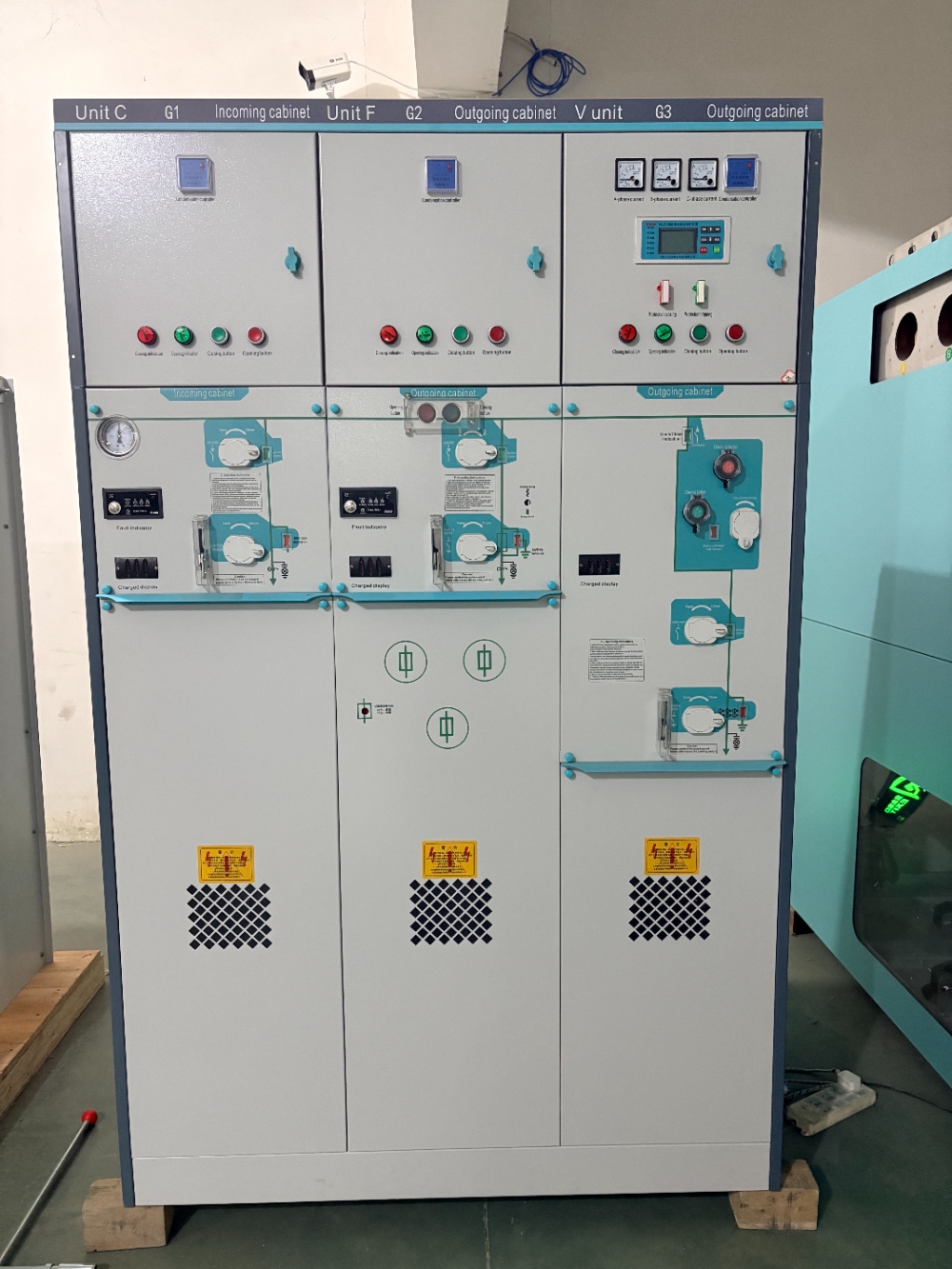
Gas Insulated Switchgear (GIS) serves as the backbone of modern power transmission and distribution networks, offering a compact and reliable alternative to traditional air-insulated systems. At its heart, GIS integrates several key components that enable efficient operation in confined spaces, such as urban substations or offshore platforms. These components work synergistically within a sealed enclosure filled with sulfur hexafluoride (SF6) gas, which provides superior insulating properties and arc-quenching capabilities. This design not only enhances safety by minimizing exposure to electrical hazards but also boosts performance by reducing maintenance needs and physical footprint in demanding environments.
Among the core elements, circuit breakers stand out as critical for interrupting fault currents and ensuring system stability. In GIS, these breakers are housed in gas-filled compartments, allowing for rapid and effective arc extinction without the risk of fire or environmental contamination. Additionally, disconnector switches and earthing switches play pivotal roles in isolating sections for maintenance and grounding equipment during outages, respectively. Their robust construction and precise operation contribute to the overall resilience of the system, making GIS a preferred choice for applications where reliability cannot be compromised.
Supporting components like busbars, instrument transformers, and control mechanisms further define the functionality of GIS. Busbars facilitate the seamless flow of electricity between different parts of the switchgear, while instrument transformers provide accurate voltage and current measurements for monitoring and protection systems. Advanced control units, often integrated with digital technologies, allow for remote operation and real-time diagnostics, enhancing adaptability to modern grid demands. By combining these elements, GIS delivers a cohesive solution that excels in performance, durability, and versatility across diverse electrical infrastructure projects.
Advantages of GIS in Enhancing Grid Stability and Efficiency
Geographic Information Systems (GIS) offer a transformative approach to grid management by integrating spatial data with real-time operational insights. This fusion enables utilities to visualize and analyze the grid's physical layout alongside dynamic factors like weather patterns, load fluctuations, and infrastructure conditions. For instance, during peak demand or adverse weather events, GIS tools can quickly identify vulnerable sections, allowing operators to reroute power or deploy resources proactively. This not only minimizes outage risks but also optimizes energy flow, reducing losses and improving overall system resilience. As grids evolve with renewable integrations and smart technologies, GIS provides a crucial foundation for adaptive, data-driven decision-making that keeps pace with complex energy landscapes.
Beyond reactive measures, GIS enhances grid efficiency through predictive analytics and asset management. By overlaying historical data with current grid performance metrics, utilities can forecast potential failures or bottlenecks before they escalate. For example, analyzing vegetation growth near power lines using GIS helps schedule timely maintenance, preventing costly disruptions and enhancing safety. Moreover, GIS supports the integration of distributed energy resources like solar panels and wind farms by modeling their geographic distribution and output variability. This spatial intelligence enables better balancing of supply and demand, smoothing out intermittency issues and maximizing renewable utilization without compromising stability.
In a broader context, GIS fosters collaboration and transparency among stakeholders, from grid operators to regulators and consumers. Interactive maps and dashboards powered by GIS make complex grid data accessible, facilitating informed discussions on upgrades, investments, and policy decisions. This shared understanding accelerates innovation, such as deploying microgrids in remote areas or implementing demand-response programs tailored to local needs. Ultimately, by turning geographic data into actionable insights, GIS not only stabilizes grids against modern challenges but also drives efficiency gains that translate into cost savings, reduced environmental impact, and a more reliable energy future for all.
Innovations Driving Compact and Safer Substation Designs
One of the most significant advancements in substation design is the integration of smart grid technologies and advanced sensors, which allow for real-time monitoring and predictive maintenance. Innovations like digital twin simulations and IoT-enabled devices help engineers visualize potential failures before they occur, significantly reducing downtime and enhancing overall reliability. This proactive approach not only ensures safer operations by minimizing human error but also contributes to more compact layouts, as these systems require less physical infrastructure for oversight and control.
Another key innovation reshaping substations is the adoption of modular and prefabricated components, which streamline construction processes and reduce on-site assembly time. By utilizing factory-built modules that can be easily transported and installed, projects become more cost-effective and less prone to environmental hazards. This method allows for tighter integration of safety features, such as fire-resistant materials and automated shutdown systems, directly into the design, making substations both smaller in footprint and more resilient to unexpected incidents.
Additionally, the rise of renewable energy sources and energy storage solutions is driving the need for more adaptable substation designs. Innovations like solid-state transformers and high-voltage DC (HVDC) systems enable more efficient power conversion and distribution in a smaller space, reducing land usage and visual impact. These technologies also incorporate enhanced safety protocols, such as arc-flash mitigation and fault detection algorithms, which protect equipment and personnel while supporting the transition to greener energy networks.
Key Environmental and Economic Benefits of Switching to GIS
Shifting to Geographic Information Systems unlocks profound advantages by streamlining how organizations manage spatial data. This transition reduces reliance on paper-based maps and disparate data sources, cutting down on material waste and energy consumption associated with traditional methods. For instance, in urban planning, real-time GIS analytics enable smarter resource allocation, minimizing unnecessary land use and preserving natural habitats. By integrating environmental layers with economic indicators, companies can proactively address ecological concerns while boosting operational efficiency, creating a tangible link between sustainability and cost savings.
Economically, the adoption of GIS drives significant cost reductions and revenue opportunities. Organizations leverage spatial insights to optimize logistics, such as route planning for delivery services, which lowers fuel expenses and reduces carbon emissions. In agriculture, precision farming powered by GIS helps farmers apply water and fertilizers more accurately, slashing input costs and enhancing crop yields. Moreover, businesses gain a competitive edge by identifying underserved markets or potential risks through geographic analysis, fostering innovation and economic resilience in dynamic markets.
Beyond immediate gains, the long-term benefits of GIS contribute to broader societal goals. It supports data-driven policymaking for environmental protection, like monitoring deforestation or water quality, which can prevent costly cleanups and health issues. Economically, this fosters sustainable development by attracting investments into green technologies and infrastructure. Ultimately, embracing GIS not only refines how we interact with our environment but also cultivates a balanced approach where economic growth and ecological stewardship thrive in harmony.
Installation, Maintenance, and Modern Lifecycle Strategies
Getting a system up and running smoothly requires careful attention from the start, not just a quick setup. Modern installation processes go beyond simple file copying; they involve configuring environments, ensuring compatibility across platforms, and automating steps to reduce human error. Tools like containerization with Docker or orchestration via Kubernetes have transformed installations, making them reproducible and scalable. This initial phase sets the foundation, so prioritizing clear documentation and testing during installation helps avoid headaches down the line.
Once installed, maintenance becomes the ongoing effort to keep everything humming along. It's not just about fixing bugs when they pop up; proactive maintenance includes regular updates, monitoring performance metrics, and addressing security vulnerabilities before they escalate. In today's fast-paced tech world, neglecting maintenance can lead to downtime, data loss, or breaches. Adopting strategies like predictive maintenance using AI analytics or automated patch management helps teams stay ahead, ensuring systems remain reliable and secure without constant manual oversight.
To tie it all together, modern lifecycle strategies integrate installation and maintenance into a cohesive, iterative flow. Approaches like DevOps or site reliability engineering emphasize continuous integration and delivery, where updates are rolled out incrementally and monitored in real time. This lifecycle mindset encourages viewing software as a living entity that evolves with user needs and technological shifts. By embedding tools for version control, automated testing, and feedback loops, organizations can adapt quickly, reduce costs, and deliver better experiences, turning routine tasks into strategic advantages.
Future Trends and Technological Evolution in Electrical Distribution
Electrical distribution is undergoing a transformative shift, driven by the push for sustainability and smarter energy management. Gone are the days of centralized, one-way power flows; today, the focus is on decentralized grids with embedded intelligence. Technologies like advanced distribution management systems (ADMS) are enabling real-time monitoring and control, allowing utilities to optimize performance and enhance resilience against outages. This evolution isn't just about hardware upgrades—it's about creating a responsive network that anticipates and adapts to changing demands, from integrating electric vehicles to supporting microgrids in remote areas.
Another key trend shaping the future is the rise of digitalization and AI-driven insights. Where traditional systems relied on manual checks, modern electrical distribution leverages data analytics and machine learning to predict failures and streamline maintenance. Smart meters and IoT sensors provide granular usage data, empowering both operators and consumers to make informed decisions. This isn't merely a technical upgrade; it's a paradigm shift toward proactive energy management, where automation and predictive capabilities reduce waste and boost reliability, fostering a more efficient and customer-centric approach.
Beyond sustainability and digital tools, the integration of renewable energy sources is redefining grid dynamics. Solar panels, wind turbines, and battery storage systems are becoming ubiquitous, requiring distribution networks to handle bidirectional energy flows and intermittent generation. Innovations like virtual power plants and blockchain for peer-to-peer energy trading illustrate how technology is enabling new business models. This evolution moves electrical distribution from a static infrastructure to a dynamic ecosystem, poised to support a cleaner, decentralized, and resilient energy future.
FAQ
Gas Insulated Switchgear (GIS) is a compact electrical distribution system that uses sulfur hexafluoride (SF6) gas as an insulating medium to encase high-voltage components like circuit breakers and disconnectors. It works by containing these parts in sealed metal enclosures filled with SF6, which prevents arcs and short circuits, allowing for reliable power switching in confined spaces.
GIS is transformative because it dramatically reduces the footprint of substations—up to 90% smaller than air-insulated alternatives—making it ideal for urban areas. Its sealed design enhances safety by minimizing exposure to live parts and improves reliability in harsh environments, supporting efficient power distribution in today's grid.
GIS is widely used in urban substations, industrial plants, offshore platforms, and renewable energy installations like wind farms. Its compactness suits space-constrained sites, while its durability allows operation in polluted or coastal areas where traditional switchgear might fail, ensuring stable power delivery.
By enabling smaller substations, GIS reduces land use and material consumption. Modern designs also focus on lower SF6 emissions through improved sealing and alternative gases, aligning with eco-friendly goals. It supports grid efficiency by minimizing power losses and integrating with digital monitoring systems.
GIS requires specialized maintenance due to its sealed nature, including gas monitoring and leak detection. Advances like smart sensors and predictive analytics help track SF6 levels and component health remotely, reducing downtime. Training for technicians ensures safe handling, while modular designs ease repairs.
GIS is integrating IoT sensors and digital twins for real-time monitoring, enabling predictive maintenance and fault diagnosis. Innovations include hybrid designs mixing gases to cut SF6 use and enhanced cybersecurity features, making it smarter and more adaptable to future grid demands.
GIS offers robust safety via its gas-insulated enclosures, which contain arcs and prevent fires. Features include pressure relief devices, interlocks to avoid misoperation, and reduced electromagnetic fields. This design lowers risks to personnel and equipment, ensuring compliance with strict safety standards.
Conclusion
Gas Insulated Switchgear (GIS) represents a pivotal advancement in modern electrical distribution, fundamentally transforming power systems through its innovative design and operational efficiency. At its core, GIS integrates key components like circuit breakers, disconnectors, and busbars within a sealed enclosure filled with insulating gas, typically SF6, which enhances reliability and reduces space requirements compared to conventional air-insulated systems. This compactness not only allows for safer substation designs—minimizing fire risks and environmental exposure—but also boosts grid stability by offering superior insulation and faster fault clearance. Innovations in materials and digital monitoring further drive these benefits, enabling more resilient and adaptable power networks that meet rising energy demands in urban and constrained settings.
Beyond technical merits, GIS delivers significant environmental and economic advantages, supporting sustainable energy transitions. By reducing land use and emissions through efficient operation, it aligns with global efforts to curb carbon footprints while lowering lifecycle costs via reduced maintenance and extended durability. Installation and maintenance strategies have evolved to include predictive analytics and modular approaches, ensuring long-term performance and safety. Looking ahead, future trends in GIS point toward integration with renewable sources, smart grid technologies, and alternative gases to mitigate SF6's environmental impact, promising a dynamic evolution in electrical distribution that empowers modern infrastructure with greater flexibility, reliability, and efficiency.
Contact Us
Contact Person: Doreen
Email: [email protected]
Tel/WhatsApp: 8618057712366
Website: https://www.liugaopower.com/