

Fire Retardant Clothing Manufacturer: Ensuring Workplace Safety with Premium Protective Gear
2026-07-21
In high-risk work environments, the right protective clothing can mean the difference between a close call and a catastrophic injury. For decades, industries have relied on specialized gear to shield workers from fire and extreme heat, yet not all solutions are created equal. As a leading DROTEX fire retardant clothing manufacturer, we understand that safety starts with material science, ergonomic design, and an unwavering commitment to quality. This blog explores how premium protective wear elevates workplace safety and why partnering with a trusted brand matters more than ever.
The Science Behind Advanced Flame-Resistant Fabrics
At the molecular level, advanced flame-resistant fabrics rely on strategic chemical engineering to interrupt the combustion cycle. Unlike conventional textiles that rapidly ignite and sustain flames, these materials incorporate inherently non-flammable polymers, such as aramids, or are treated with flame-retardant additives. These additives often contain phosphorus, nitrogen, or halogen elements. When exposed to heat, phosphorus-based compounds promote char formation, creating a protective insulative layer that shields the underlying fabric from oxygen and further thermal degradation. Meanwhile, halogenated retardants scavenge free radicals in the gas phase, effectively snuffing out the chemical chain reaction that fuels a fire. The result is a fabric that resists ignition, self-extinguishes once the heat source is removed, and dramatically slows fire spread.
Another layer of science emerges in the physical behavior of these fabrics under extreme temperatures. Some advanced textiles exploit intumescent systems, where heat triggers a chemical expansion that forms a thick, thermally stable foam on the surface. This foam acts as a physical barrier, cutting off oxygen and reducing heat transfer to the body. Others use heat-reflecting coatings or embed phase-change materials that absorb thermal energy by melting, thereby delaying temperature rise on the skin side. Equally critical is the management of toxic smoke release; modern formulations often include synergists that suppress smoke and corrosive gas production without compromising flame resistance. By balancing these mechanisms, designers can tailor fabrics for specific risks—whether a flash fire in an industrial setting or the prolonged thermal demands of wildland firefighting.
Durability of flame resistance is a persistent challenge solved through clever integration of chemistry and textile engineering. Instead of merely applying a surface finish that washes away over time, manufacturers bond flame-retardant monomers into the polymer backbone during fiber production or use cross-linking techniques to lock additives into the fabric matrix. This ensures that protective properties endure through laundering, abrasion, and chemical exposure. Advanced testing methods, from cone calorimetry to limiting oxygen index measurements, quantify how well a fabric maintains its integrity after repeated wear and cleaning. The science extends to moisture management and comfort, too: newer generation fabrics blend flame-resistant fibers with breathable, moisture-wicking structures so that personal protection doesn't compromise physiological strain during high-exertion activities. The ongoing evolution in nanotechnology and bio-based treatments hints at even more sustainable and efficient solutions on the horizon.
Balancing Comfort and Protection in High-Risk Environments
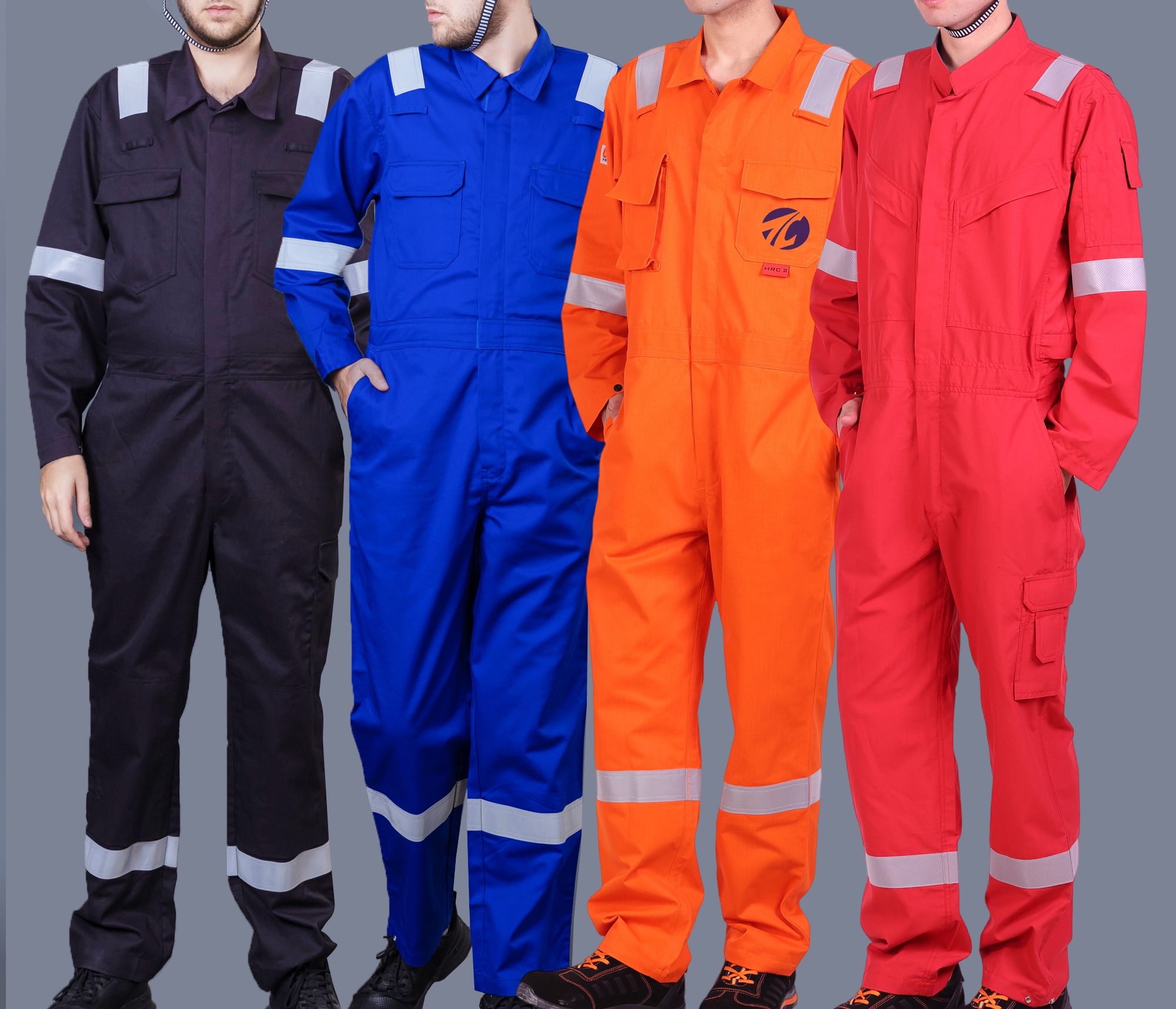
Working in high-risk environments often forces a compromise between safety and ease of movement. Heavy protective gear can restrict mobility, trap heat, and lead to fatigue, which ironically increases the chance of accidents. The real challenge lies in designing equipment that doesn't just meet safety standards, but also feels like a second skin—light, breathable, and flexible enough to let workers focus on the task at hand rather than their discomfort.
Modern materials and ergonomic design are gradually closing this gap. Innovations like impact-resistant fabrics that stretch, moisture-wicking liners, and gear tailored to different body types are making it possible to stay protected without feeling weighed down. The goal isn't just to prevent injuries from hazards, but to minimize the physical strain that builds up over a long shift. When comfort and protection work together, people perform better and stay safer in the long run.
Meeting Global Safety Standards with Certified Gear
When lives depend on your equipment, there’s no room for shortcuts. Certified safety gear isn’t just a label—it’s a promise that every buckle, strap, and stitch has been rigorously tested against the toughest international benchmarks. From ANSI to EN standards, these certifications validate real-world performance, ensuring your team walks onto any site knowing their protection meets or exceeds global expectations.
Behind every certified product lies a story of relentless testing: drop towers, abrasion machines, flame chambers—all pushing materials to their breaking point. This isn’t about ticking boxes; it’s about earning the right to bear a standard’s mark. When you choose gear stamped with ISO or OSHA compliance, you’re investing in decades of engineering refinement and a culture of accountability that most manufacturers never achieve.
The true value emerges when borders blur. A harness certified to EN 361 works seamlessly with an ANSI-rated lanyard because the underlying principles of load distribution and energy absorption are universally understood. It’s the quiet confidence that your gear speaks the same language across continents, freeing you to focus on the task at hand rather than questioning whether your equipment will hold when it matters most.
Custom Protective Solutions for Unique Industry Needs
Off-the-shelf safety gear rarely addresses the nuanced risks found in specialized industries. That’s why we work directly with your engineers and frontline teams to map out every potential hazard—from chemical splash patterns in pharmaceutical labs to abrasive blasts in aerospace manufacturing. No two production lines are identical, and neither should be the protective measures that keep your people safe.
Our material science team regularly prototypes new composites and barrier layers that push beyond standard certifications. Whether you need a cut-resistant sleeve that maintains tactile sensitivity for intricate assembly work, or a full-body suit that withstands extreme thermal cycling, we iterate until the solution performs flawlessly in your real-world environment.
The result is a protection system that integrates seamlessly into existing workflows, often reducing fatigue and improving compliance because it feels like a natural extension of the job, not a bolted-on afterthought. Each design is backed by on-site validation and a straightforward reorder process that ensures consistency across shifts and locations.
Why Proper Workwear Maintenance Extends Garment Life
Workwear endures a lot on the job—abrasion, stains, and frequent washing can wear it down quickly. But when you treat these garments with consistent care, you drastically slow down that deterioration. Think of maintenance as an investment: a few minutes of attention after each shift prevents the buildup of grime that weakens fibers and fades reflective strips. It’s the difference between gear that barely lasts a season and gear that stays reliable for years.
The key is in the details most people overlook. Always check the care label before laundering—some high-visibility fabrics require mild detergents and cold water to preserve their coatings. Don’t just toss everything into a hot dryer; excessive heat can shrink synthetics and damage waterproof membranes. Air-drying in the shade, mending small tears immediately, and zipping up before washing to avoid snags are simple habits that add months of life. Proper storage matters too—hanging garments in a dry, well-ventilated area stops mildew and keeps shape intact.
Beyond the savings from fewer replacements, well-maintained workwear keeps you safer. Faded hi-vis panels and compromised flame resistance put workers at risk. When you extend garment life, you’re also reducing textile waste and supporting a more responsible approach to work gear. It’s not just about stretching a budget; it’s about honoring the craftsmanship behind the clothing and ensuring it performs when it matters most.
Empowering Workers Through Safety Education and Training
Genuine worker empowerment starts well beyond handing out rulebooks or posting signage. It’s about weaving safety into the daily conversation so naturally that it becomes second nature. When teams gather for brief, open-ended discussions about real hazards they’ve spotted—not just the ones in the manual—they begin to own the process. This shift from top-down lecturing to collaborative problem-solving turns passive listeners into active participants who are far more likely to watch out for one another.
Tailoring learning to different experience levels, languages, and work styles is what makes training stick. A veteran welder and a new hire might face the same risks but perceive them quite differently. Short, scenario-based exercises that mirror their actual tasks—combined with opportunities to pause and question—help bridge that gap without patronizing anyone. It’s also crucial to leave room for stories: when workers share how a close call or a personal practice changed their outlook, it resonates more deeply than any generic video ever could.
The real test occurs when no supervisor is watching. Safety education that truly empowers gives people the confidence to speak up when something feels off, and the practical know-how to suggest a safer alternative on the spot. That kind of culture isn’t built in a single session; it grows from repeated, informal coaching, visible support from leadership, and the quiet acknowledgment that every worker deserves to go home in one piece. In the end, empowerment means seeing safety not as a compliance chore but as a shared value that everyone helps shape.
FAQ
Our garments combine advanced fabric technology with rigorous real-world testing. We don't just meet safety standards—we design for comfort and durability under extreme conditions, ensuring workers actually want to wear the gear that protects them.
We subject our clothing to extensive wash cycle testing, far beyond industry norms. Each batch is verified for retained flame resistance, and we provide clear care guidelines so the protection doesn't degrade prematurely.
Absolutely. Whether it's arc flash, molten metal splash, or chemical exposure risks, our in-house design team modifies patterns, adds reinforcement, or integrates specialized layers to address specific threats without sacrificing mobility.
Our gear is found in oil and gas, electrical utilities, welding, firefighting support, and heavy manufacturing. Basically, anywhere a sudden flash fire or high heat is a daily possibility, you'll see our trusted PPE.
Cutting corners on safety is never a bargain. Our clothing is built to last longer, perform consistently, and reduce the total cost of ownership by minimizing replacement frequency and workplace injuries. We also offer ongoing compliance support.
We maintain an active dialogue with standards bodies and regularly update our product lines to exceed the latest NFPA, ASTM, and OSHA requirements. Our customers receive automatic notifications when relevant regulations shift.
Comfort is non-negotiable—heavy, stiff gear can compromise safety if workers avoid it. We focus on lightweight fabrics, breathable panels, ergonomic seams, and a range of styles that fit diverse body types without bunching or restriction.
Just reach out through our contact form or call your regional rep. We typically provide a no-obligation sample kit with common test fabrics and a few garment options so your team can experience the difference firsthand before committing.
Conclusion
At the core of any reputable fire retardant clothing manufacturer lies a deep understanding of material science. Advanced flame-resistant fabrics are engineered to self-extinguish upon contact with heat or flame, preventing ignition and reducing burn injury severity. Yet, true innovation emerges when protection does not come at the cost of wearer comfort. Manufacturers that succeed in high-risk sectors—oil and gas, electrical utilities, and welding—invest heavily in research to blend inherently flame-resistant fibers with moisture-wicking and breathable designs. This balance ensures that workers can move freely and stay focused, even during long shifts in extreme conditions. Furthermore, adherence to rigorous global safety benchmarks, such as NFPA 2112 and EN ISO 11612, is non-negotiable. Certified gear provides employers and employees alike with the confidence that each garment has undergone stringent testing and will perform reliably when it matters most.
Beyond standard offerings, leading manufacturers recognize that a one-size-fits-all approach falls short. Custom protective solutions—from specialized pocket placements for tools to hybrid fabric combinations for multi-risk environments—address the nuanced demands of different job sites. However, even the best-engineered workwear requires proper care to retain its protective qualities. Regular inspection for damage, correct washing techniques, and timely replacement of compromised items dramatically extend garment life and safeguard the investment. Equally vital is empowering the workforce through ongoing safety education. When workers understand how their gear functions, why fit and layering matter, and how to identify signs of wear, they become active participants in their own protection. Ultimately, a holistic strategy that merges cutting-edge manufacturing, tailored design, maintenance diligence, and worker training cultivates a culture of safety that goes far beyond the clothing itself.
Contact Us
Contact Person: Sandy
Email: [email protected]
Tel/WhatsApp: 86150 8310 5120
Website: https://www.frdrotex.com