

Corrugated Box Factory Processes That Ensure Consistent Packaging Quality
2026-11-18
Most packaging failures aren’t caused by a single bad sheet of corrugated board—they happen when small process gaps compound across cutting, creasing, and gluing. At Zemeijia, consistency is treated as a factory-floor discipline, not a final inspection afterthought. Flute profiling, scoring depth, adhesive coverage, and joint pressure are checked at the point where they actually affect box strength and squareness. The result is packaging that fits, stacks, and survives transit without surprises. A closer look at these production stages shows why the same board grade can still deliver very different performance.
Raw Paper Checks That Keep Caliper From Wandering
A caliper reading rarely drifts on its own. More often, the wandering comes from changes in the raw stock that arrive well before the gauge. Checking base weight, moisture content, and fiber orientation on incoming paper gives the line a reference point, so a shift in thickness is tied to a physical cause instead of being treated as a random instrument error.
Operators who sample the parent roll at regular intervals can map cross-direction thickness before the sheet reaches finishing. If one edge starts running thin, the pattern shows up in the raw checks early. That makes it easier to adjust calendering or stock delivery while the caliper is still drifting slightly, not after it has moved far enough to create waste.
These checks also create a baseline that separates normal gauge noise from actual process movement. Without that baseline, every small change invites an overcorrection, and the caliper ends up chasing its own tail. With raw paper data in hand, the adjustments stay small and intentional.
The Corrugator Settings Behind Uniform Flute Height
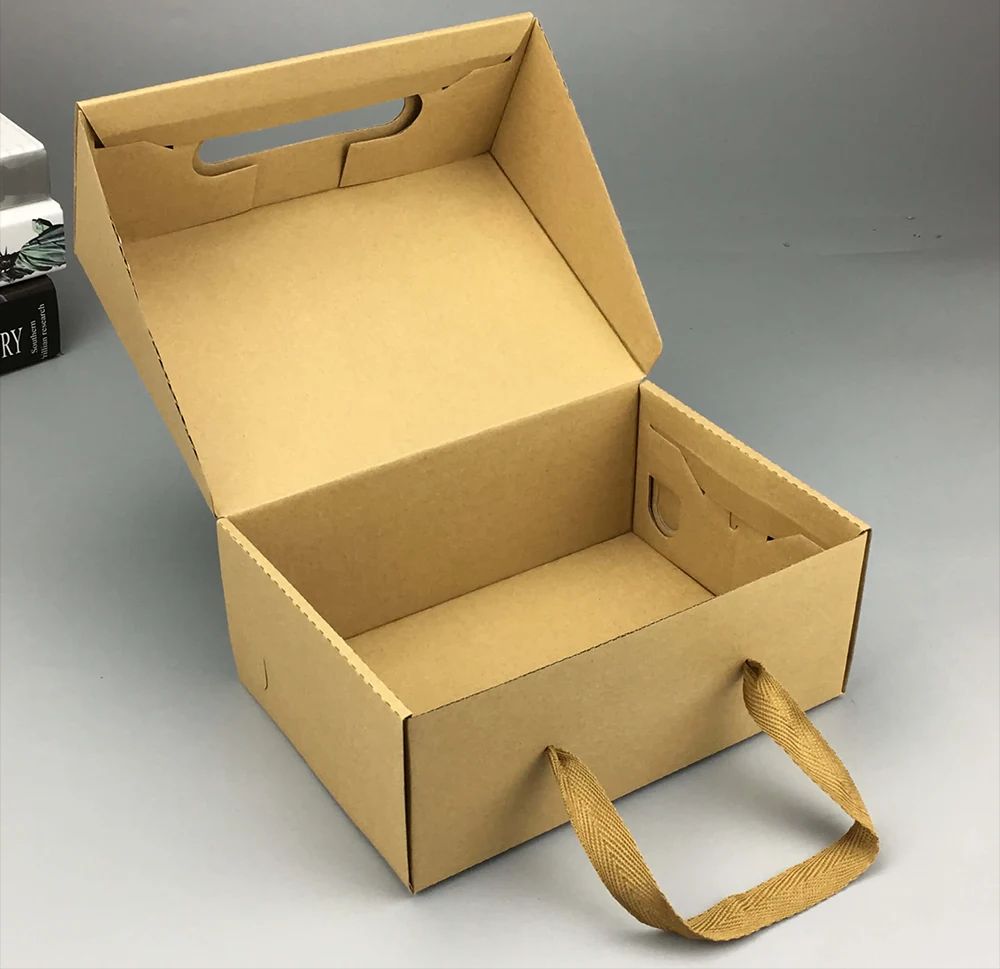
Flute height starts going wrong long before the board reaches the cut-off. On most machines, the first place to look is the nip between the upper and lower corrugating rolls. Even a few thousandths of an inch difference in roll gap across the face will pull the medium unevenly, producing shallow flutes on one edge and over-formed flutes on the other. Operators who chase this by increasing overall pressure usually make it worse because the roll bodies deflect under higher load. Instead, the work should focus on checking roll parallelism under running temperature, not just cold, and correcting any crown wear or uneven bearing clearance that shows up only when the machine is warm.
Steam and preheat settings matter just as much as mechanical alignment. If one side of the medium reaches the corrugating nip colder or drier than the other, it will not stretch the same way, and flute height will vary even with perfectly set rolls. A useful habit is to map sheet temperature across the web with an infrared sensor and compare that pattern against flute depth measurements taken from cut samples. The mismatch usually points to a specific zone: a lazy steam trap, a partially plugged preheater section, or a wrap arm that is not pulling evenly. Fixing the thermal profile often brings flute height back into tolerance without touching the roll stands.
Adhesive pickup and tension control also creep into the result. Too much starch at the single facer can load the flute tips and soften the medium before it sets, while uneven tension entering the corrugator will feed the web slightly differently from side to side. Small adjustments at the mill roll stand, such as balancing brake pressure or moving a slightly tapered roll to a less critical position, can remove a persistent variation that looks like a forming problem. When settings are read as a set rather than as isolated points, uniform flute height becomes a repeatable output instead of an operator's guess.
Glue Weight Checks That Stop Weak Bonds Before They Happen
A bond fails long before the part leaves the line if the glue weight drifts even a few tenths of a gram. Instead of waiting for a pull test or a customer return, inline weight checks catch the shift the moment the dispense tip starts to clog or the pressure drops. The scale sits right after the applicator, not at the end of the shift, so every bead gets a number before it cools.
Operators learn to read the pattern, not just the alarm. A gradual fall across twenty parts points to a settling cartridge; a sudden spike usually means the nozzle picked up debris or the part moved. Setting the limits tight enough to matter but wide enough to avoid chasing normal temperature drift takes some tuning, but once the band is set, the line stops itself before a weak assembly stacks up.
The real value shows up in rework hours you never book. Engineers stop tearing apart cured joints to find the one that skipped, and the morning meeting stops starting with a bin of suspect parts from second shift. By making the weight check part of the cycle rather than an audit after the fact, the process tells you it is drifting while there is still time to twist a valve or swap a tip.
Cutting and Creasing Steps That Decide How Cleanly Boxes Fold
A box that folds cleanly starts long before anyone touches a glue flap. On the cutting table, the first real decision is whether to use a straight knife or a rotary die. Straight knives handle basic rectangular blanks well, but once you introduce tuck ends or curved profiles, a die gives far more consistent edges. The key here is not just cutting through the board — it is cutting without crushing the fibers along the score lines. Dull knives or incorrect ejection rubber can bruise the sheet, and that damage shows up later as rough fold edges or weak corners.
Creasing is where most folding problems actually begin. A crease that is too shallow will not give the board a defined hinge, so the panel wants to spring back or drift off-center. Too deep, and the surface fibers break, which leads to cracking along the printed side — especially on darker inks or coated stocks. Many converters run a simple channel width test with a few sample blanks, adjusting the creasing rule and matrix until the board folds easily but still holds its shape under light pressure. The best crease leaves a subtle bead on the inside, with no visible cut line on the outside.
One detail that often gets overlooked is the relationship between grain direction and the fold sequence. Folding with the grain usually produces a cleaner, more predictable hinge, while folding across it can cause uneven resistance from one end of the panel to the other. On a long run, even a small inconsistency in crease depth or grain handling multiplies into jammed folder-gluer lines and boxes that lean slightly when squared up. Checking a handful of blanks at the start of each shift — and adjusting the crease depth by just a few thousandths of an inch — is usually enough to keep the folding crisp from the first box to the last.
Print Registration as an Early Warning for Box Squareness
In boxmaking, squareness problems often become obvious only after the diecutter or folder-gluer has already produced a run of suspect blanks. Print registration can act as a quieter early signal. When a panel drifts out of square, the printed image shifts relative to score lines and trim edges, so a small misregister at the press may point to board skew, uneven feeding, or worn gripper settings long before the structural defect is visible on its own.
Operators who watch registration marks from sheet to sheet start noticing patterns that dimensional spot checks miss. A slight rotation that repeats on one color unit, or a front-to-back difference, often means the blank is not lying flat, the side guide is fighting the sheet, or the board itself carries built-in tension. Catching those drift patterns early allows the crew to adjust feeder timing or replace a worn part instead of discovering a pallet of boxes that lean or bulge after gluing.
Treating registration as a diagnostic rather than only a print quality check changes how the line responds. The press effectively becomes an inspection point: the marks show how the substrate entered, how it moved, and whether the scored blank stayed stable through transfer. That kind of warning usually costs a few minutes of makeready time, while ignoring it tends to return later as customer complaints about cases that will not stack or square up on a pallet.
Final Stacking and Strapping Habits That Reduce Crush Claims
Most crush damage happens long before a driver hits a pothole. Pallets get stacked too tall, mixed board grades bow under uneven weight, and straps get tightened on corners that were never meant to carry that kind of pressure. The fix is almost boring in its simplicity: keep the heaviest cases on the bottom, rotate the pattern so seams don't line up, and check the load rating on every board before it goes under a forklift. When the stack is square and the weight spreads evenly, the straps are just there to hold a stable unit, not to rescue a bad build.
Strapping habits matter more than strap count. A single strap placed slightly off centre can do more than four straps thrown on in a rush, because it pulls the middle of the load into compression instead of slicing into the edges. Use edge protectors on any load with sharp corners or thin-wall cartons, and tension the straps gradually, walking around the pallet instead of cranking one side down tight. Over-tensioning is the quiet killer here, it deforms the top layer and turns a minor shift into a crushed corner by the time the truck hits the highway.
Finally, make the final check a habit of subtraction, not addition. Ask what can be removed or lowered before adding more strapping, more wrap, or another layer. Often a load that keeps crushing cases is trying to tell you the product itself needs a stronger inner pack, a smaller unit, or a different stacking orientation. When you stop treating crush claims as an insurance problem and start treating them as a layout and tension problem, the number of damaged shipments drops fast, and the strapping you do use finally earns its keep.
FAQ
Operators watch the single-facer gap and tension rather than just line speed. The medium has to be formed against the corrugating rolls with steady web tension, and automatic gap controls adjust for roll wear so the flute tips bond evenly without crushing.
Burst testing tells you how the combined board handles punctures and rough handling, which matters for produce or hardware. Many customers carry both specs because ECT alone doesn't capture how the liners and medium share sudden impacts.
They check glue pattern width at each station after setup and when board width changes. Some gluers now use cameras that flag starved or heavy lines, but operators still run a finger smear test to confirm the starch is transferring evenly from rider rolls to flute tips.
Warp, score depth, trim, and sheet length. If the board is bowed more than a few millimeters across the sheet, it will jam downstream and throw off slotting, so the stack is reconditioned or rejected before it reaches converting.
The likely cause is crease memory: if the crease lines are not compressed enough during die-cutting, the flaps don't fold flat or spring back. Factories counter this by checking fold resistance, not just blank dimensions, after each die set-up.
Ink drying is managed by choosing the right plate durometer and controlling board temperature before print units. If the board enters too hot, the ink flashes too fast and builds up; too cold and it smears. Operators keep a narrow temperature window and verify opacity on first-off sheets.
The adhesive needs to penetrate the liner before it sets. When ambient temperatures drop, plants adjust glue viscosity and compression dwell time because a fast surface set can leave a weak bond that pops open in cold storage.
Usually moisture regain during storage or transit. Even a 2-3% difference in board moisture can lower compression noticeably, so plants track conditioned box tests and avoid shipping boxes that were made during high-humidity periods without dry storage.
Conclusion
Consistent corrugated boxes rarely come down to one dramatic fix. The work starts before fluting takes shape, when incoming paper is checked for caliper drift. If the sheet thickness wanders, board stiffness and stack strength shift mid-run, and no amount of downstream adjustment fully hides that. On the corrugator, flute height is held steady by controlling roll pressure, paper tension, speed, and moisture; uneven flute tips make glue application patchy and weaken the board’s cushioning. Glue checks then look at film weight at the applicator and bond strength after curing, catching weak bonds before they become peeled corners or split panels. These early steps set a baseline that later cutting, creasing, and printing cannot repair.
Further down the line, cutting and creasing depth determine whether a blank folds cleanly along the score instead of cracking or leaning to one side. Print registration plays a quiet but useful role here: when graphics stay aligned sheet after sheet, it signals that the board remained square through die-cutting, so minor feed drift gets caught before it turns into boxes that rock on a pallet. At the end, stacking and strapping habits matter more than they appear. Even strap tension, clean edge alignment, and proper placement keep cases from bowing or crushing during transit, which reduces the damage claims that are often misread as board failure. None of these steps is flashy, but together they keep the finished box predictable.
Contact Us
Contact Person: Sasha Du
Email: [email protected]
Tel/WhatsApp: +86 13869836645
Website: https://www.zmjpackagings.com/