

Color Masterbatch Recommendations: Smart Choices for Vibrant Plastics
2026-07-22
Creating vibrant, eye-catching plastics isn't just about picking a nice color—it's about making the right technical choices from the start. Whether you're molding packaging that pops or engineering durable outdoor components, color masterbatch can make or break your product's appeal and performance. At Xinwancai, we know that subtle formulation tweaks unlock brilliance without compromising processability. In this post, we'll skip the generic advice and share practical recommendations drawn from real-world compounding experience, so your next batch stands out for all the right reasons.
Color Masterbatches Decoded: What They Are and Why They Matter
Color masterbatches are concentrated mixtures of pigments or dyes encapsulated within a carrier resin. These solid or liquid additives transform raw plastic pellets into vibrant, precisely hued products without requiring manufacturers to handle loose, messy powders. By embedding color at the molecular level, masterbatches ensure consistent distribution throughout the final plastic piece, from automotive dashboards to shampoo bottles. Their real magic lies in the simplicity they bring to production lines—just a small percentage gets blended with base polymer, eliminating the guesswork and cleanup associated with direct pigment mixing.
Beyond pure aesthetics, masterbatches serve as engineering tools that solve practical manufacturing headaches. They can be engineered to include UV stabilizers that prevent sun-bleaching, antistatic agents for sensitive electronic packaging, or even fragrances. This multifunctional nature means a single pellet can simultaneously pigment, protect, and enhance performance, streamlining inventory and reducing the number of additives needed on the factory floor. The carrier resin acts as a bridge, ensuring the additives flow smoothly and bond securely with the host material during extrusion or molding.
Adopting masterbatches isn’t just about saving time—it’s a quiet revolution for production consistency and cost control. Because the pigment dispersion is perfected during the masterbatch manufacturing stage, defects like color streaks or speckling—common with manual mixing—become rare. This reliability allows brands to maintain exact shade matches across thousands of units, building consumer trust. With concentrates tailored to specific polymers and processing methods, companies of any size can achieve commercial-grade color accuracy without investing in specialized compounding gear.
Picking the Perfect Carrier: Compatibility with Your Base Polymer
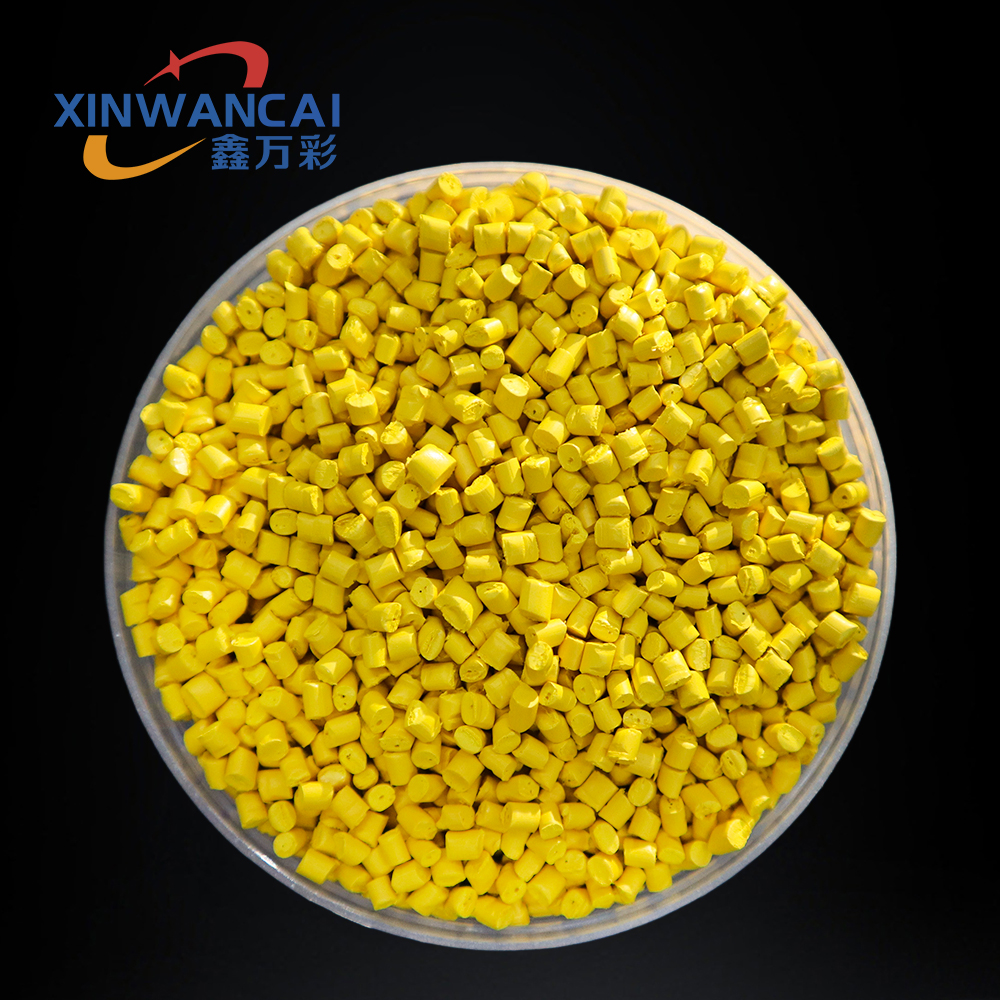
The relationship between a carrier resin and your base polymer isn't just a technical checkbox—it's the foundation of how well your masterbatch will disperse, process, and perform. When the two are incompatible, you might notice surface defects, reduced mechanical strength, or color inconsistencies that no amount of tweaking can fully fix. A mismatch often starts subtly, with minor processing hiccups, but over time it can undermine the entire production batch, leading to costly waste and rework. Getting compatibility right from the start means understanding not just the chemical families involved, but also how they behave together under heat and shear.
Many processors lean on solubility parameters or melt flow indices to gauge compatibility, but real-world behavior often tells a different story. For instance, a carrier might have a similar SP value to your polyolefin, yet phase separation occurs because of molecular weight differences or additive interactions. Blending a small trial run and observing the extrudate under a microscope can reveal dispersion quality that datasheets never capture. Sometimes, the best carrier isn't the closest chemical match, but one that forms a stable interphase region, allowing the additive packet to integrate without creating stress concentrators in the final part.
Don't overlook the subtle influence of carrier loading levels and viscosity curves. Even a fully compatible pair can fail if the carrier's melt strength is drastically mismatched, causing encapsulated pigments or fillers to migrate unevenly. It pays to evaluate the entire thermal and rheological profile—a carrier that processes beautifully at low concentrations might shear-thin unpredictably when pushed to higher output. The goal is a seamless fusion where the carrier effectively "disappears" into the matrix, leaving behind only the functional benefits you engineered into the masterbatch, without interference or artifact.
Beyond the Rainbow: Custom Color Matching for Brand Identity
Color isn't just a visual choice; it's the silent ambassador of your brand. Off-the-shelf palettes often fall short, forcing your identity into a box that doesn't quite fit. That's where custom color matching steps in, translating your brand's ethos into a precise, proprietary hue that no competitor can replicate. It's about moving past generic reds and blues to create a shade that carries your story in every drop of ink or pixel.
The process itself is a blend of art and science. We start with your vision, your inspirations, and even the textures or materials that define your world. Then, through meticulous blending and lightfastness testing, we develop a color that remains consistent across every medium—from product packaging to digital screens. This isn't about picking a number from a fan deck; it's about engineering a color that lives and breathes your brand values.
When your shade is truly yours, recognition becomes instant. Customers begin to associate that specific tone with your quality and care before they even read a word. In a market saturated with visual noise, a custom color becomes a shortcut to memory, building a connection that goes far beyond the rainbow.
Lightfastness and Weatherability: Ensuring Long-Lasting Hues
When artists and manufacturers talk about a pigment’s staying power, they’re often referring to two distinct yet interconnected properties: lightfastness and weatherability. Lightfastness measures how well a color resists fading when exposed to light, particularly the ultraviolet (UV) spectrum in sunlight or indoor illumination. Weatherability, on the other hand, is a broader term that encompasses not only light but also moisture, temperature fluctuations, and atmospheric pollutants—all of which can conspire to degrade pigments over time. A deep understanding of these factors is essential for anyone who wants their work or products to retain their intended visual impact for decades.
The science behind long-lasting hues lies in the molecular structure of the pigment itself. Inorganic pigments, such as iron oxides and titanium dioxide, are inherently more stable under UV radiation and harsh environmental conditions, which is why they’ve been used in exterior paints and architectural coatings for centuries. Organic pigments, while capable of producing brilliant, intense colors, often require stabilization through the use of UV absorbers or hindered amine light stabilizers (HALS) to achieve acceptable weatherability. These additives act as sacrificial shields, absorbing harmful photons or scavenging free radicals before they can break down the chromophore—the color-bearing part of the molecule. Without such protection, even the most vivid crimson or cyan can shift toward chalky, muted tones in a matter of months.
Testing for lightfastness and weatherability has moved beyond simple exposure to sunlight. Today, accelerated aging chambers use xenon-arc lamps to simulate years of outdoor exposure in a matter of weeks, while standardized rating systems like the Blue Wool Scale allow for precise comparisons between products. However, real-world performance remains the ultimate yardstick. Factors such as altitude, humidity, and even the substrate the pigment is applied to can dramatically influence how a color endures. That’s why many conservators and industrial designers rely on a curated palette of proven pigments, selecting materials not just for their initial brilliance but for their ability to tell a lasting story—one that doesn’t fade with time.
Smart Additives, Smarter Plastics: Functional Masterbatches in Action
Functional masterbatches are quietly reshaping how plastics perform in everyday applications. Instead of merely adding color, these concentrated blends load polymers with properties that address real-world demands—think UV resistance that prevents outdoor furniture from fading, antimicrobial protection for hospital surfaces, or slip agents that keep packaging films moving smoothly through high-speed lines. The beauty lies in the dispersion: by embedding active ingredients into a carrier resin, manufacturers ensure even distribution at microscopic levels, which means a tiny amount of masterbatch can transform an entire batch of base plastic without compromising mechanical strength or processability.
What makes this approach genuinely smarter is the precision it brings to material design. Rather than synthesizing entirely new polymers—a costly, energy-intensive gamble—compounders can fine-tune existing grades by layering functionalities through masterbatch combinations. A single automotive interior part, for instance, might start with a polypropylene that’s been boosted with anti-scratch, low-gloss, and odor-absorbing additives, all delivered via separate masterbatches metered at the press. This modular thinking slashes development time and inventory complexity while letting brands differentiate their products in crowded markets. It’s not just about what the plastic looks like; it’s about what it quietly does while we’re not watching.
Beneath the surface, the real action happens during processing, where shear, temperature, and compatibility dictate whether an additive becomes a hero or a hidden failure. Modern masterbatch carriers are engineered to melt and blend at exactly the right viscosity window, wrapping fragile actives like antioxidants or light stabilizers in a protective hug until they’re needed. The result? Packaging that extends shelf life by blocking oxygen ingress, agricultural films that survive years of punishing sunlight, and lightweight components that dampen vibration without adding weight. As converters push for higher recycled content and thinner walls, these smart concentrates quietly pick up the slack, proving that the future of plastics isn’t about replacing the material—it’s about injecting intelligence into every pellet.
Cost-Effective Brilliance: Balancing Quality and Budget in Masterbatch Selection
Choosing the right masterbatch often feels like a tightrope walk between performance and price. Many processors assume that cutting costs automatically means sacrificing color consistency or dispersion—but that's not always the case. The trick lies in understanding exactly what your application demands. For less critical parts, a standard masterbatch with a slightly lower pigment loading might work perfectly, while load-bearing or high-visibility components require carefully engineered concentrates. By aligning the masterbatch grade with the end-use requirements, you avoid overpaying for unnecessary properties.
A practical approach is to evaluate total cost-in-use rather than just the per-kilogram price. A cheaper masterbatch that requires twice the dosage to achieve hiding power can inflate processing costs and affect mechanical properties. Similarly, inconsistent batch-to-batch quality leads to color corrections, downtime, and wasted material—expenses that eat away any initial savings. Working closely with a supplier who offers technical support can help you identify homogeneous base resins and high-efficiency dispersants that minimize let-down ratios without compromising aesthetics.
Another often-overlooked aspect is the impact of masterbatch selection on production efficiency. Poorly dispersing concentrates can cause filter blockages, screw slippage, or surface defects that slow down output. Investing in a slightly more sophisticated formulation with superior dispersion technology might raise the upfront cost but reduce scrap rates and machine outages. Over time, this balance between material quality and operational stability delivers a genuine cost advantage—proving that brilliance doesn't have to break the budget.
FAQ
Think of it as a concentrated mixture of pigments or dyes locked inside a carrier resin. Instead of messing with raw powders that dust everything up, you get clean, easy-to-handle pellets. The real benefit? Uniform dispersion, so your end product doesn’t end up with streaks or weak spots. It’s the behind‑the‑scenes workhorse that lets you dial in exactly the shade and performance you need, batch after batch.
Start with your base polymer—you need a carrier that’s compatible, otherwise the color won’t ‘take’ properly and you’ll lose luster. Go for high‑pigment‑load grades if you want deep saturation, but don’t assume more equals better; overloading can muddy the finish. Also, think about light and heat exposure in the final application. A masterbatch with UV stabilizers keeps that vibrancy from fading after a few months outdoors.
Translucent or naturally clear resins like polycarbonate, acrylic, and certain grades of PET tend to let the color sing. Opaque polymers, like talc‑filled polypropylene, often mute tones because the filler scatters light. For plastics that are inherently off‑white or yellowish, a little extra white pigment in the masterbatch can brighten the base, but it’s a balancing act—too much and colors start looking chalky.
One big one is skimping on mixing time: if the pellets don’t blend evenly, you get frustrating striping or color drifts. Another is ignoring the let‑down ratio—some processors assume that doubling the recommended dose will boost color, but it can actually cause dispersion issues or screw slippage. And then there’s the classic mistake of not drying hygroscopic masterbatches, which introduces moisture and leads to splay or dull patches on the surface.
Pre‑mix your masterbatch with the natural resin in a separate tumble blender instead of just dumping it into the hopper. Even a two‑minute dry blend makes a visible difference. If your equipment allows, switch to a gravimetric dosing unit—it’s far more precise than volumetric feeders. And always run a purge cycle when switching colors; even a tiny amount of residual material can shift the tone toward muddy territory.
Metallic flakes or pearlescent pigments rely on orientation and surface smoothness to reflect light—so the same masterbatch can look brilliant in a glossy moulded part and lifeless in a textured, matte surface. Glow‑in‑the‑dark phosphors need a white base underneath to really pop. Even anti‑block or slip agents can slightly haze a clear plastic, muting the color’s brilliance. The interplay is subtle but crucial.
Too low and the pigment particles don’t disperse fully—you get a grainy, weak color. Too high, and heat‑sensitive organic pigments can degrade, shifting the shade or literally burning out. The sweet spot is usually the resin manufacturer’s recommended range, but high‑gloss colors often benefit from being on the warmer side of that window, as long as you’re not crossing the degradation threshold.
Absolutely. Request small‑scale lab samples from your masterbatch supplier and run them on your actual production line, not just in a benchtop machine. Then subject the samples to accelerated weathering tests—QUV chambers or xenon‑arc give you a prediction of how the color will hold up. Also do a wipe test with common chemicals the part might encounter. It’s far cheaper to tweak a formulation now than to recall a dull, faded product later.
Conclusion
Color masterbatches are the secret sauce behind eye-catching plastics, offering a streamlined way to infuse vibrant, consistent hues into everything from packaging to automotive parts. These concentrated pigment or dye blends, housed in a compatible carrier resin, do more than just add color—they safeguard material integrity and streamline processing. Selecting the right masterbatch starts with understanding your base polymer. Polyolefins, engineering plastics, and styrenics all demand carriers that melt and bond seamlessly, preventing streaks or weak spots. Beyond basic shade selection, custom color matching elevates brand identity, translating exact corporate palettes into plastic form. It’s a fusion of art and science, where spectrophotometers and experienced colorists collaborate to nail that signature red or distinctive blue.
Yet brilliance isn’t just about the initial pop; it’s about endurance. For outdoor applications, lightfastness and weatherability are non-negotiable—UV stabilizers and high-grade pigments fend off fading and embrittlement, keeping products looking fresh for years. Functional masterbatches push the envelope further, embedding properties like flame retardancy, antimicrobial protection, or anti-static behavior without extra production steps. Smart additive combinations can even cut costs long-term, reducing rejects and extending lifespan. Finally, balancing quality with budget means avoiding the trap of cheap fillers that dull color strength or compromise dispersion. A thoughtful selection process—weighing processing conditions, regulatory needs, and end-use demands—ensures your plastic goods aren’t just visually stunning, but also durable and efficient. By partnering with knowledgeable suppliers and testing rigorously, you transform a simple pellet into a competitive advantage that resonates with consumers and stands the test of time.
Contact Us
Contact Person: JACK
Email: [email protected]
Tel/WhatsApp: 86 18650130917
Website: https://www.xinwancai.com/