

Air Handling Unit Manufacturer: Essential Questions to Ask Before Choosing a Partner
2026-10-13
Selecting the right air handling unit manufacturer isn’t just about specs and price—it’s about finding a partner who understands your building’s unique needs. Before you sign any agreement, asking the right questions can save you from costly downtime and retrofit headaches. At shairko, we believe transparency and technical depth are the foundation of every successful AHU project. This guide walks you through the essential questions that reveal whether a manufacturer is truly equipped to deliver reliable, energy-efficient air handling solutions—or just another vendor with a glossy brochure.
How Do You Prove Your Units Meet the Spec, Beyond a Brochure?
A glossy datasheet means little when the unit is installed and handling real load. We back every claim with a full test record tied to that specific serial number, not a generic batch certificate. You get the actual measured curves for efficiency, output stability, and thermal behavior under rated, overload, and low-line conditions. If a parameter deviates even slightly from the published tolerance, the unit is pulled and reworked before it ships.
We also encourage customers to witness the final acceptance run themselves, either in person or via live video, before the unit leaves our floor. For independent confirmation, we regularly submit production samples to accredited labs for side-by-side comparison against the spec sheet. After installation, we offer a short-term field verification protocol that logs key operating points under your actual load profile, so you can see the numbers match what was promised, not just what was printed.
What Happens When the Unit Underperforms After Installation?
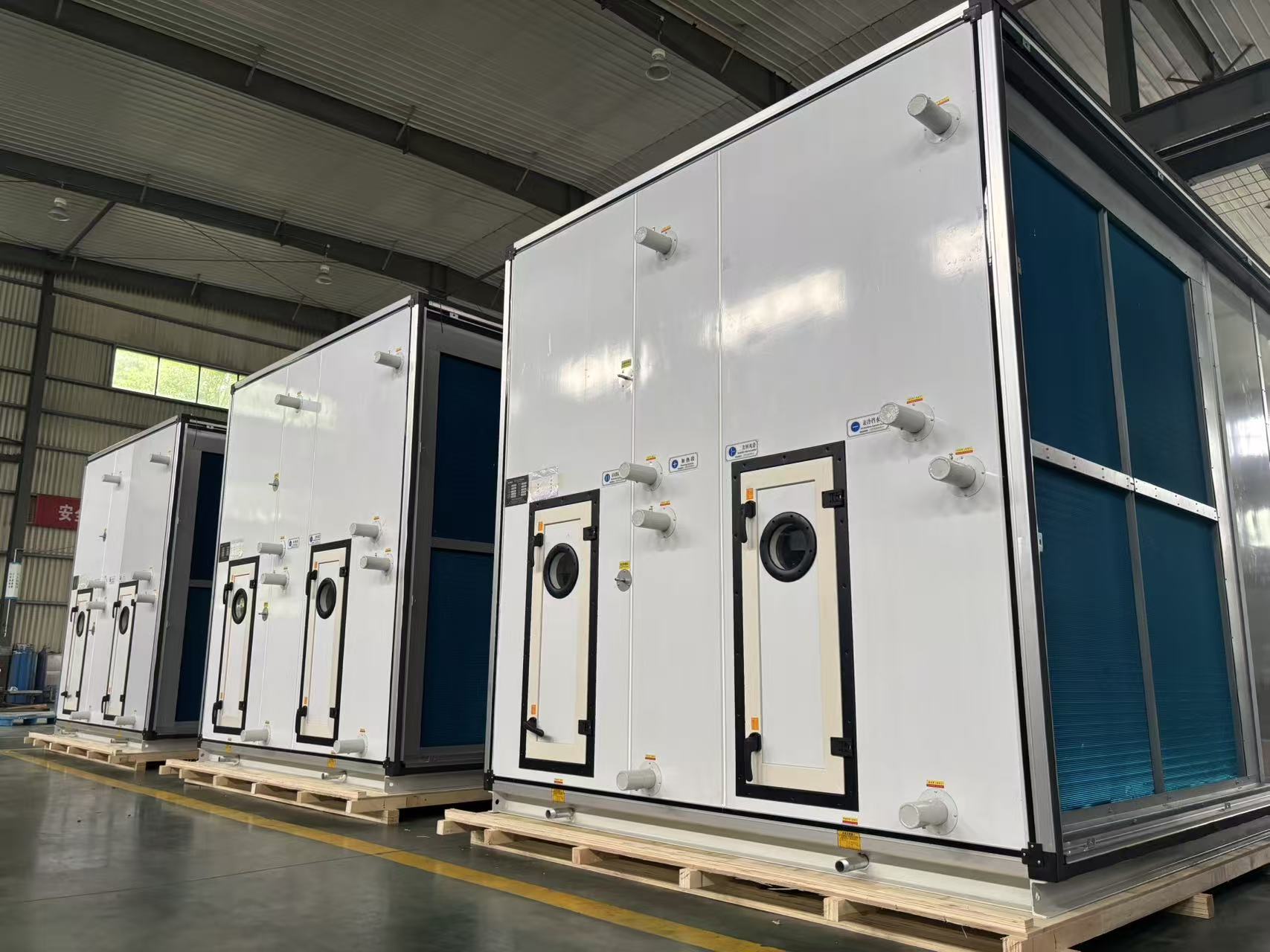
A unit that fails to meet performance expectations after installation rarely does so without warning. The first signs are often subtle: a slight drop in output, an unusual vibration, or a temperature reading that creeps past the normal range. Rather than waiting for a complete shutdown, it pays to investigate these early signals immediately. Sometimes the cause is as simple as an overlooked calibration step or a minor wiring issue that never showed up during initial testing.
When underperformance persists, the next step is to compare the unit's actual behavior against the specifications documented at the time of purchase. Many discrepancies trace back to mismatched load conditions or environmental factors that weren't fully accounted for. For instance, a unit rated for a clean, climate-controlled space may struggle in a dusty or humid environment. In such cases, the solution often involves adjusting the operating parameters or adding protective measures rather than replacing the unit outright.
If troubleshooting reveals a deeper fault—such as a defective component or a design limitation—the focus should shift to clear communication with the supplier. Document the exact symptoms, the conditions under which they occur, and any steps already taken. A well-prepared report speeds up warranty claims or technical support, and it also helps prevent the same underperformance from recurring in future installations.
Can You Share a Recent Project That Went Wrong and How You Fixed It?
Last spring, our team took on a data migration for a client moving from a legacy CRM to a cloud-based platform. We mapped the fields, ran test imports, and everything looked clean. Then, two weeks before go-live, we discovered that nearly forty percent of the historical notes had been truncated during the extraction. The source system had a hidden character limit on one of its export endpoints, and our validation scripts only checked row counts, not content length. It was a gut-punch moment.
Rather than pointing fingers, we immediately brought the client into a working session. We laid out the issue, showed them the corrupted sample, and proposed a three-step recovery: re-extract from the original database backups, write a custom parser to handle the truncated fields, and rebuild the validation suite to flag any text field shorter than expected. The client appreciated the transparency, and one of their engineers actually helped us locate an older API endpoint that returned full-length records. We ran the whole migration again in a staging environment, this time with checksums on every text column.
The fix took an extra week, but we shipped a clean dataset and kept the relationship intact. More importantly, we changed our pre-flight checklist for every migration since: we now test for hidden truncation, not just missing rows. It turned a painful mistake into a permanent safeguard.
Which Testing Reports Can I See Before Signing the Contract?
Before you commit, you can review the core performance reports that directly impact your product's functionality. This typically includes a summary of load capacity, safety factor calculations, and material compliance documents. These give you a clear picture of whether the product meets your baseline requirements without relying on marketing language.
Depending on the supplier, you might also see preliminary environmental or durability test results, such as temperature cycling or vibration data, if those are relevant to your use case. The key is that reports shown at this stage are usually enough to verify technical claims but may not include the full third-party certification package, which often comes after contract signing.
To avoid surprises, ask the vendor to clearly list which specific test reports are available for pre-contract review and which ones will be delivered post-signing. Some buyers find it useful to request raw data excerpts or test setup photos to confirm that the reported numbers actually come from the product you are evaluating.
How Do You Handle Casing Condensation in High-Humidity Facilities?
In high-humidity facilities, casing condensation often starts with a simple mismatch between surface temperature and dew point, but the real driver is usually inconsistent air movement. Before adding any insulation, walk the space with a handheld dew point meter during peak moisture load. You will often find that condensation is worst near doorways, washdown stations, or where exhaust fans pull moist air across cold equipment casings. Fixing those airflow paths can reduce condensation more than doubling insulation thickness.
For casings that still sweat, closed-cell elastomeric insulation works better than fibrous wraps because it does not absorb moisture and can be sealed at every seam. Apply a continuous vapor retarder on the warm side, and avoid metal cladding that touches the cold surface directly without a thermal break. In extreme cases, a small electric heater or circulating fan inside the casing can keep the interior surface just above the dew point without raising the whole room temperature.
Long-term control means tracking humidity trends rather than reacting to visible drips. Place inexpensive data loggers near the worst condensation spots and review the weekly pattern. You may discover that condensation spikes only after certain cleaning shifts or when makeup air units cycle down at night. Adjusting the cleaning schedule or adding a modest dehumidifier during off hours often costs far less than replacing corroded casing components later.
Who Answers the Phone When a Critical Component Fails at Night?
Midnight breakdowns don't wait for the morning shift. In many plants, the first call goes to whoever is on the rotating on-call list—often a senior technician or a shift supervisor who lives within a thirty-minute drive. They stumble out of bed, grab a flashlight, and head to the floor, where the real troubleshooting begins over a crackling phone line with a junior operator describing the smoke, the smell, or the blinking fault code.
The truth is, the person on the other end needs more than technical know-how. They need to calm a panicked operator, ask the right questions in the first sixty seconds, and decide whether to dispatch a crew or talk someone through an emergency shutdown. It's rarely the engineer who designed the part. More often, it's the unsung veteran who knows the machine's quirks by heart—and keeps a pair of steel-toed boots beside the bed.
FAQ
If possible, ask for a live walk-through or an unedited video call from the floor. Look for how coil fins are stacked, whether corners are sealed by hand or by machine, and whether workers have clear quality check sheets. A tidy floor with visible gauges and labelled bins usually says more than any spec sheet.
Good manufacturers keep logged data or can connect you with existing clients nearby. Ask specifically about part-load behaviour, humidity control during shoulder months, and any winter defrost or summer condensation issues. Real numbers from similar weather beat generic catalogue curves every time.
The answer reveals their engineering priorities. Some keep coil fabrication and control wiring in-house because those determine longevity and serviceability. Others outsource everything but final assembly. There is no single right model, but they should be able to explain what they control and how that affects your maintenance team later.
This tends to cut through marketing. A frank answer about a bearing failure, a condensate leak, or a control glitch—and the design or process change that followed—shows they treat problems as feedback. If they claim nothing ever fails, treat that as a red flag.
Ask about filter rack sealing, sensor placement for pressure drop, and whether the unit can accept higher MERV or HEPA upgrades without a major redesign. Also ask how they prevent bypass air around filters. Small frame details decide whether indoor air quality stays high after years of operation.
You want to know who answers the phone, how spare parts are stocked, and whether they keep as-built drawings and control sequences for your exact unit. Request a sample service report or a list of parts with typical lead times. If they hesitate or point only to local distributors, dig deeper.
Ask for a typical test report from a standard production unit. It should show airflow, static pressure, electrical checks, vibration, and leak tests. Watch for whether they test only fans or the entire assembled unit. A full run test catches wiring and control issues before they reach your site.
Strong partners will tell you when the requested design is wrong for the application—like using a chilled water coil where a DX system fits better, or ignoring moisture loads. Their willingness to say no early is a sign they care about long-term performance, not just the order.
Conclusion
When evaluating an air handling unit manufacturer, surface-level assurances won't tell you much. Ask for concrete proof that their units meet the spec—insist on reviewing third-party testing reports before any contract is signed, not just polished brochure claims. Dig into real project histories, including times when something went wrong. A manufacturer willing to discuss a past underperformance and exactly how they corrected it gives you far more confidence than one who only shares success stories. This also reveals how they handle post-installation issues: do they blame the installer, or do they own the problem and fix it? Pay attention to whether they volunteer data on airflow, static pressure, and sound power, or only provide them after repeated requests.
For facilities with high humidity, ask specifically how they prevent casing condensation—look for design details like thermal breaks, double-wall construction, or insulated panels rather than generic reassurances. And think about the worst-case moment: if a critical component fails at 2 a.m., who actually answers the phone? A real partner has a clear on-call process with named individuals and a guaranteed response window, not just a voicemail. These questions cut through marketing noise and expose whether the manufacturer stands behind their equipment long after the sale, and whether their support matches the promises made during the bid.
Contact Us
Contact Person: Crystal
Email: [email protected]
Tel/WhatsApp: 8613524235353
Website: https://www.airkohvac.com